
St Peter and St Paul’s, Salle
Open dawn to dusk St Peter and St Paul’s, Salle
by Matthew McDade
St Peter and St Paul’s, Salle
by Matthew McDade
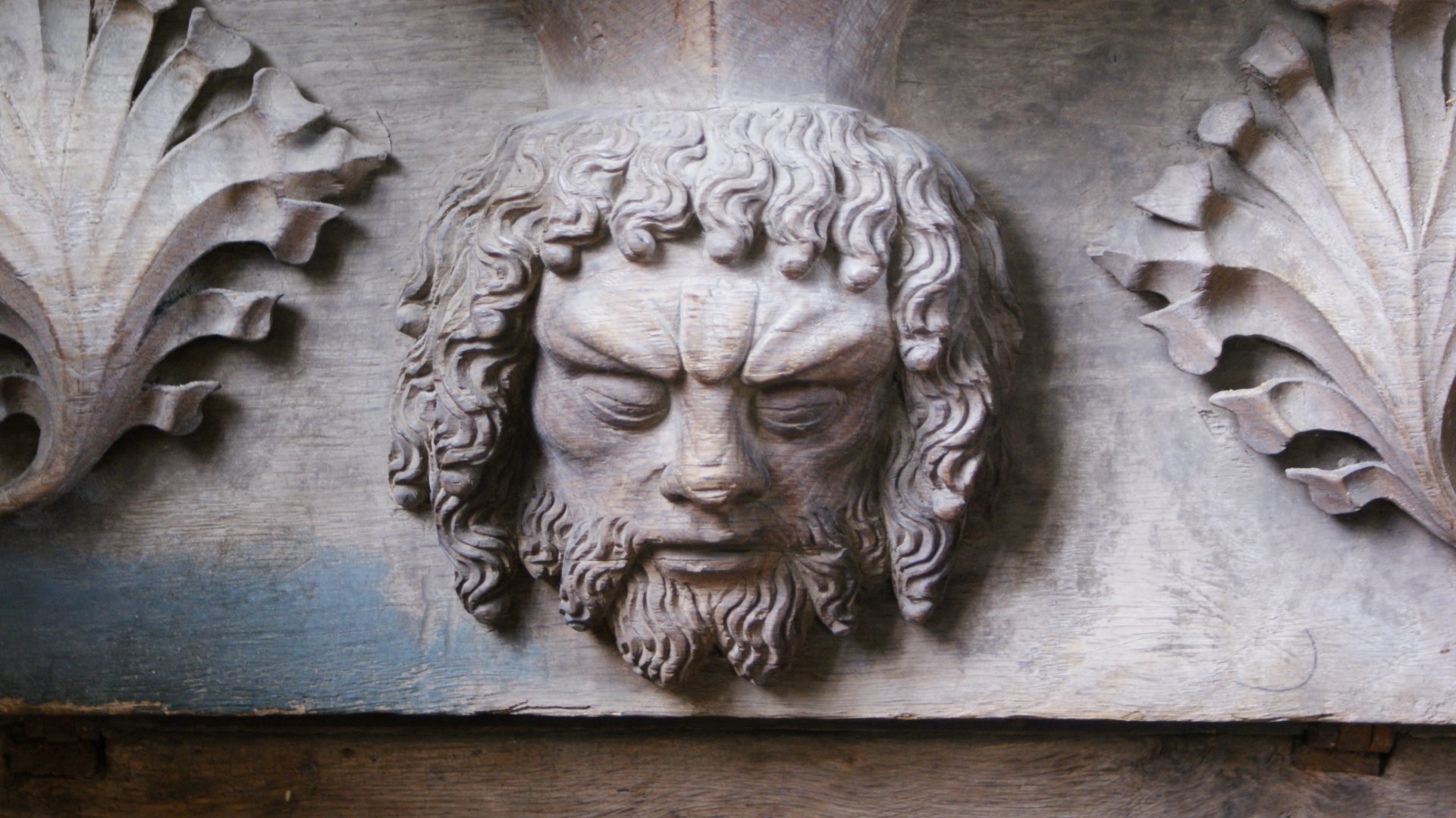
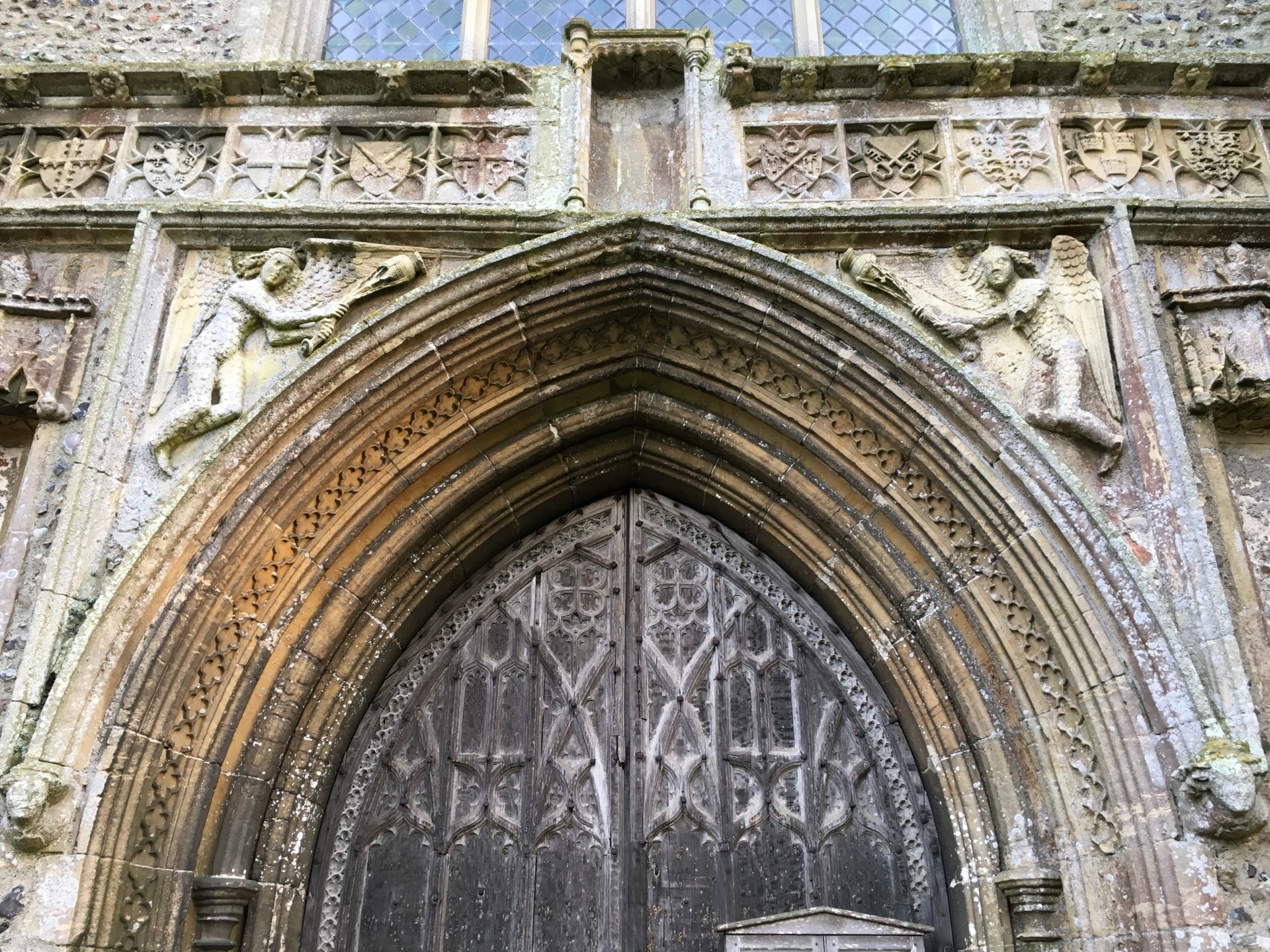
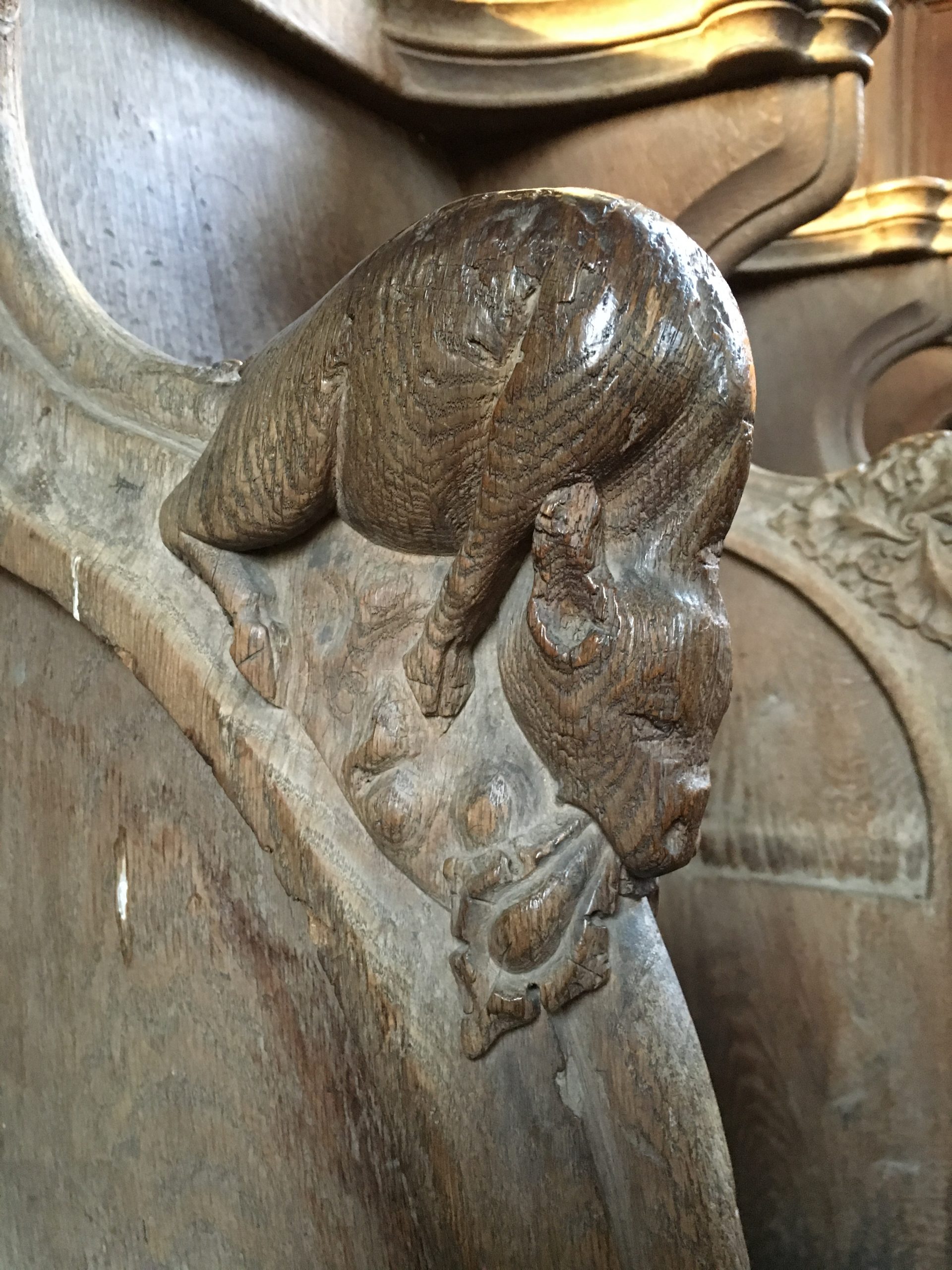
Author and architect Henry Munro Cautley described St Peter & St Paul’s Church in Salle as ‘the finest church in Norfolk’. It has examples of nearly everything a church should have and the vast majority is of a piece, dating to the 15th century. The building of the church, which occurred as a single construction project, was unusually funded by not one but by several wealthy local families as an act of piety. These families included the Boleyns, Briggs and Luces. As such, no expense was spared. Bequeathing a church and its furnishings ensured that one’s soul would remain in the prayers of worshipers after death, in the mutually beneficial channel of prayers flowing between the living and the dead. The 126ft battlemented tower is visible for miles around – just look at the size of the traceried sound holes. The west doors are beautifully decorative and carved above are two feathered angels swinging incense burners. Flanking them on either side are canopied niches and above are armorial shields. The third from the right is the amrs of Henry V as Prince of Wales (1400-13). Unusually this is the main entrance. Enter and step back in time. The soft ticking of the tower clock reminds the visitor that time hasn’t stood still. Enjoy the sense of immense space; the church has a total length of 171ft, just longer than that of Walpole St Peter. The nave is 28ft wide, the aisles 14ft wide, and across the transepts no less than 98ft. The Seven Sacrament font stands on two steps. The top is traceried and the bottom is inscribed with a request for prayers for donors John and Agnes Luce, and their son Robert ‘and for those whom they are bound to pray who caused this font to be made’. The bowl features depictions of Baptism (SE), Ordination (S), Mass (SW), Crucifixion (W), Extreme Unction (NW), Matrimony (N), Penance (NE), Confirmation (E). It is unique in one respect for below the panels are the emblems of each sacrament: a casket of oil for Baptism, a mitre for Confirmation, an altar slab for Mass, a rod for Penance, a soul rising out of a shroud for Extreme Unction, and a chalice for Ordination. Angels adorn the nave roof, along with monograms and crowned letter ‘M’s. The chancel roof is adorned with beautiful carvings. From the west are the Annunciation, the Nativity and Shepherds, Adoration of the Magi, Entry into Jerusalem, Last Supper, Resurrection and the Ascension. Coloured bosses can also be seen in the north porch. Unfortunately the rood screen fell victim to the iconoclasts. There are eight mutilated painted panels, with the four Latin Doctors on the doors. The 15th century pulpit has traceried and coloured panels with a Jacobean backboard and canopy. There is also a Jacobean prayer desk and clerk’s desk. The exquisite medieval stained glass deserves careful examination. Bring your binoculars to admire donor Thomas Brigg and his two wives, fragments of the nine orders of the angels, Old Testament prophets with flowing beards, princes with old kneeling kings and female saints. Don’t miss the menagerie of carved animals and faces on the arms of the chancel stalls and on the misericords.



Incorrect information? Update this entry


