
Top Eleven “Wow” Churches of Norfolk
St Peter’s Church, Walpole St Peter

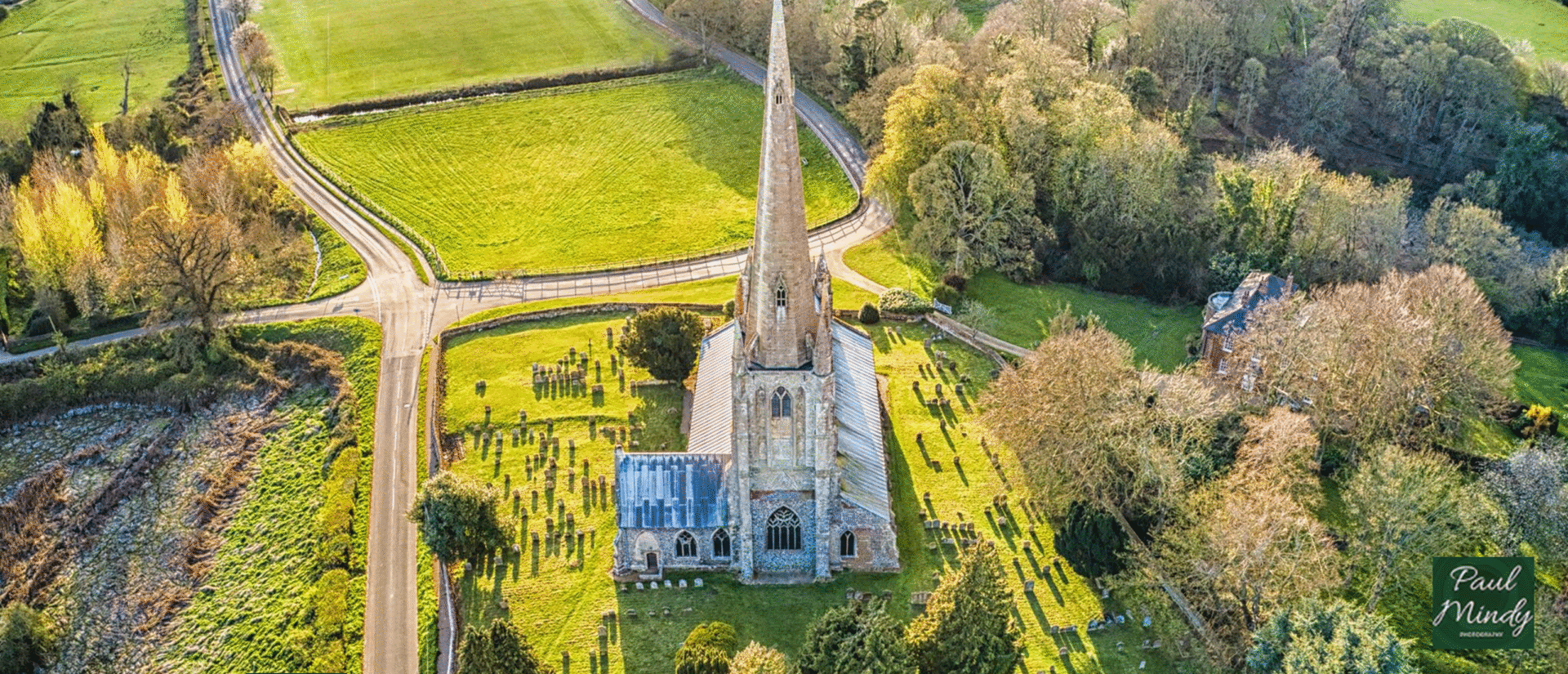
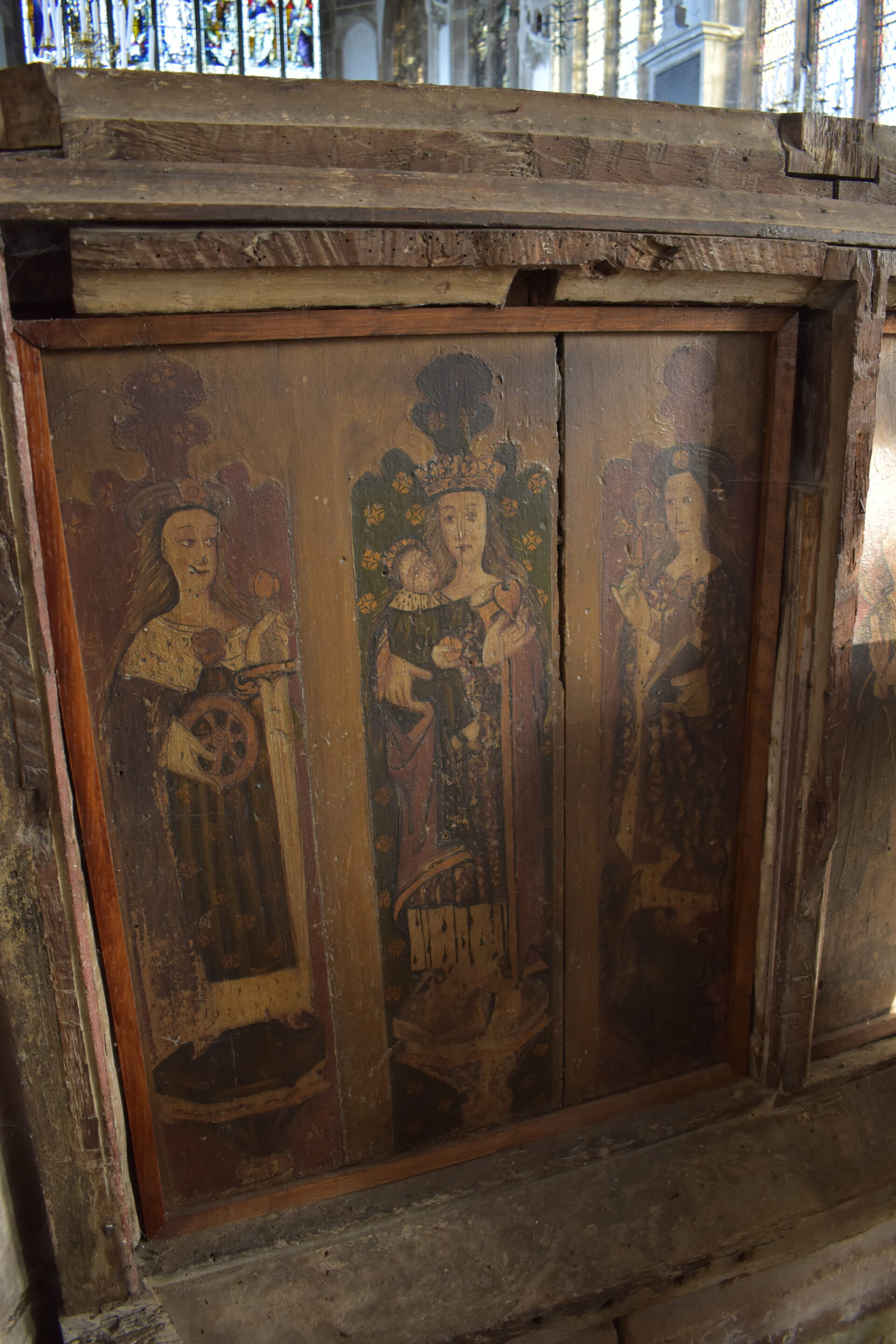
In the words of the poet and writer Sir John Betjeman, the Church of St Peter is ‘the finest of all.’ The impression it leaves on visitors is evident in the names bestowed on the church, including Cathedral of the Fens and Queen of the Marshlands. The original church dates to 1021 however a flood in 1337, possibly caused by a tidal wave from an Icelandic volcano, destroyed everything but the tower (which was built in 1300). This area of northwest Norfolk prospered greatly from the wool trade and its proximity to thriving ports such as King’s Lynn (previously called Bishop’s Lynn). A replacement church was built in 1360 and the chancel was added in 1425. In terms of style, the nave is Transitional Perpendicular and the chancel is pure Perpendicular. A highly unusual feature is the ‘bolt hole’, a passageway underneath the sanctuary to allow for processions because the church was built up to the edge of the churchyard. As a result, there are 15 steps up to the altar. The south porch is one of the finest in Norfolk, complete with a parvis chamber above. Carvings include the pieta, a pilgrim and the arms of the See of Ely. At the east end of the nave is the sanctus bellcote; the bell is still rung during Eucharist. Look up when you enter the porch at the characterful ceiling bosses depicting the Assumption and the Last Judgement along with various animals. Bosses can also be seen on the roof of the bolt hole – notice the sheep’s head. On stepping inside the church, admire the original doors which have been preserved. In the nave is the unusual ‘hudd’, a graveside shelter for the minister when conducting a funeral in the rain. The magnificent screen along the west end dates from the 1620s and its lockable doors historically created a barrier between the church and secular gatherings. Marvel at the vista towards the east end. The expanse of clear glass creates a bright and airy feel. The majority of the coloured glass was removed in the late 18th century: see fragments in a north aisle window. There are 30 mason’s marks in the church. In the north aisle is a Seven Sacrament font, unfortunately defaced during the Reformation, complete with an ornate font cover. Don’t miss the ‘poore box’ dating from 1639. The wine glass style pulpit is also Jacobean. Twelve saints are depicted on the 15th century rood screen; the outer six are women and the inner six are Apostles. This seems to be the work of more than one artist. The chancel is a magnificent space full of decorative features. Notice the jolly carved creatures on the stalls, including an antelope and St Edmund’s head guarded by a wolf. Beautiful 15th century carvings can also been seen on the pews in the south aisle.

Church of St Peter & St Paul, Salle

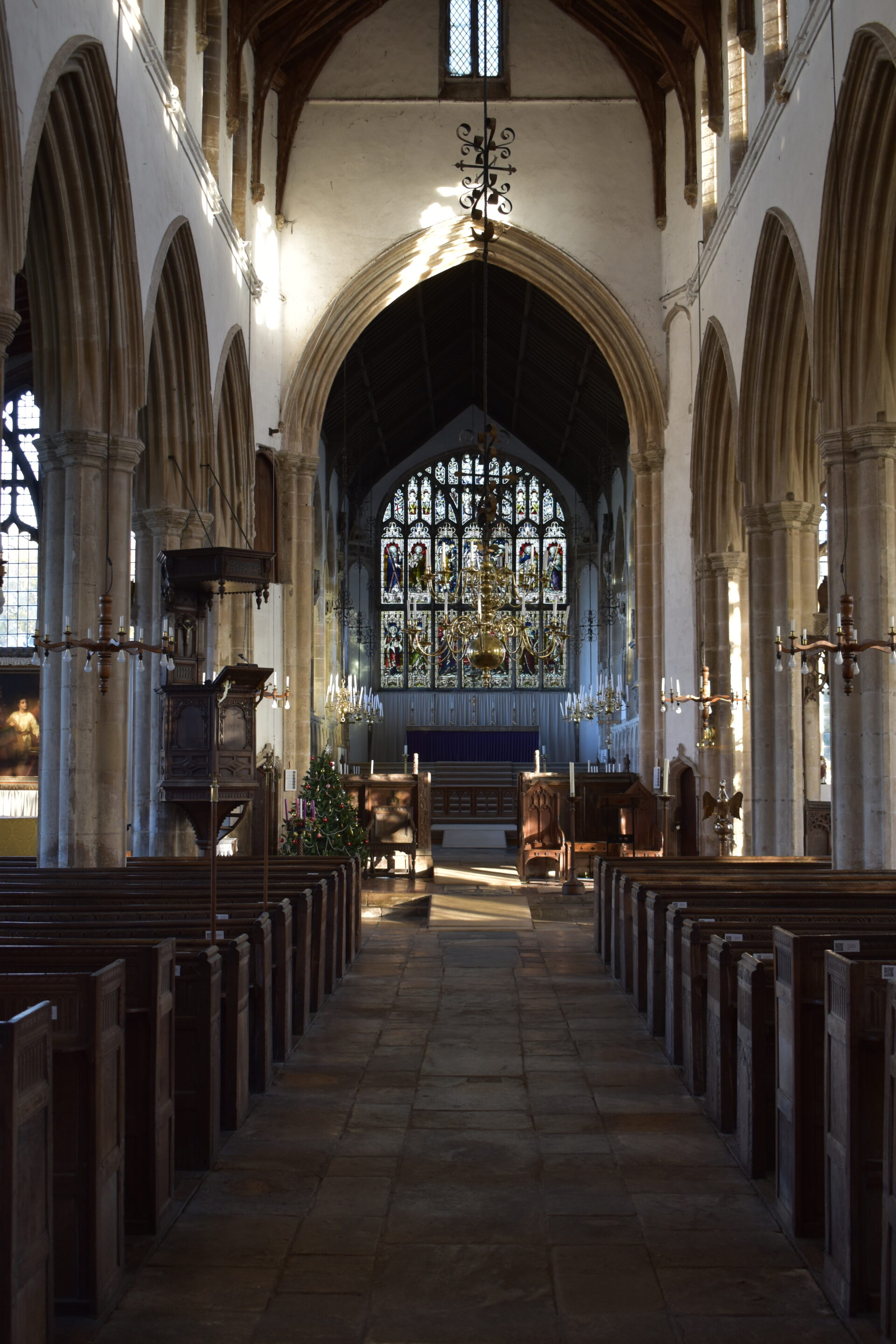
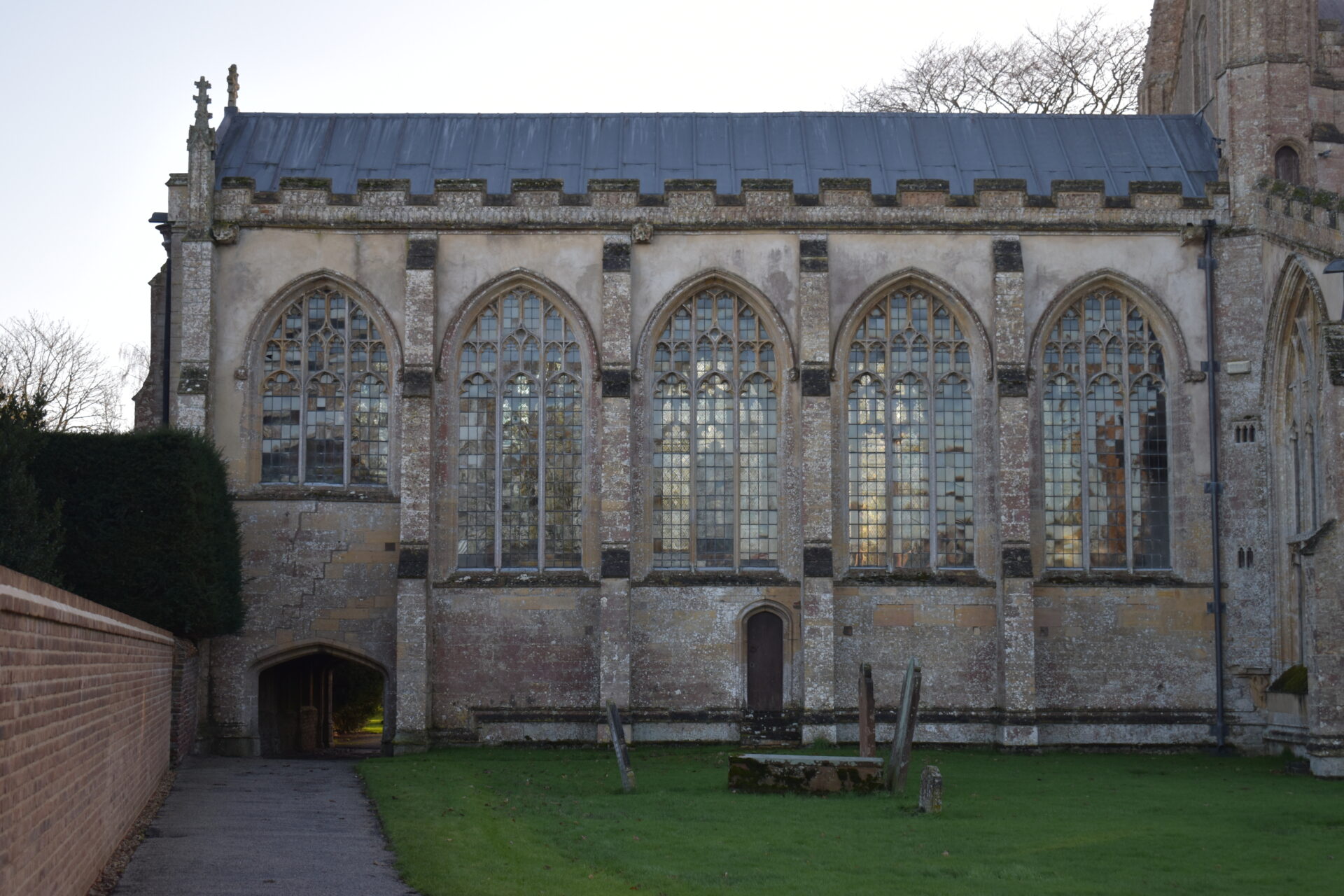
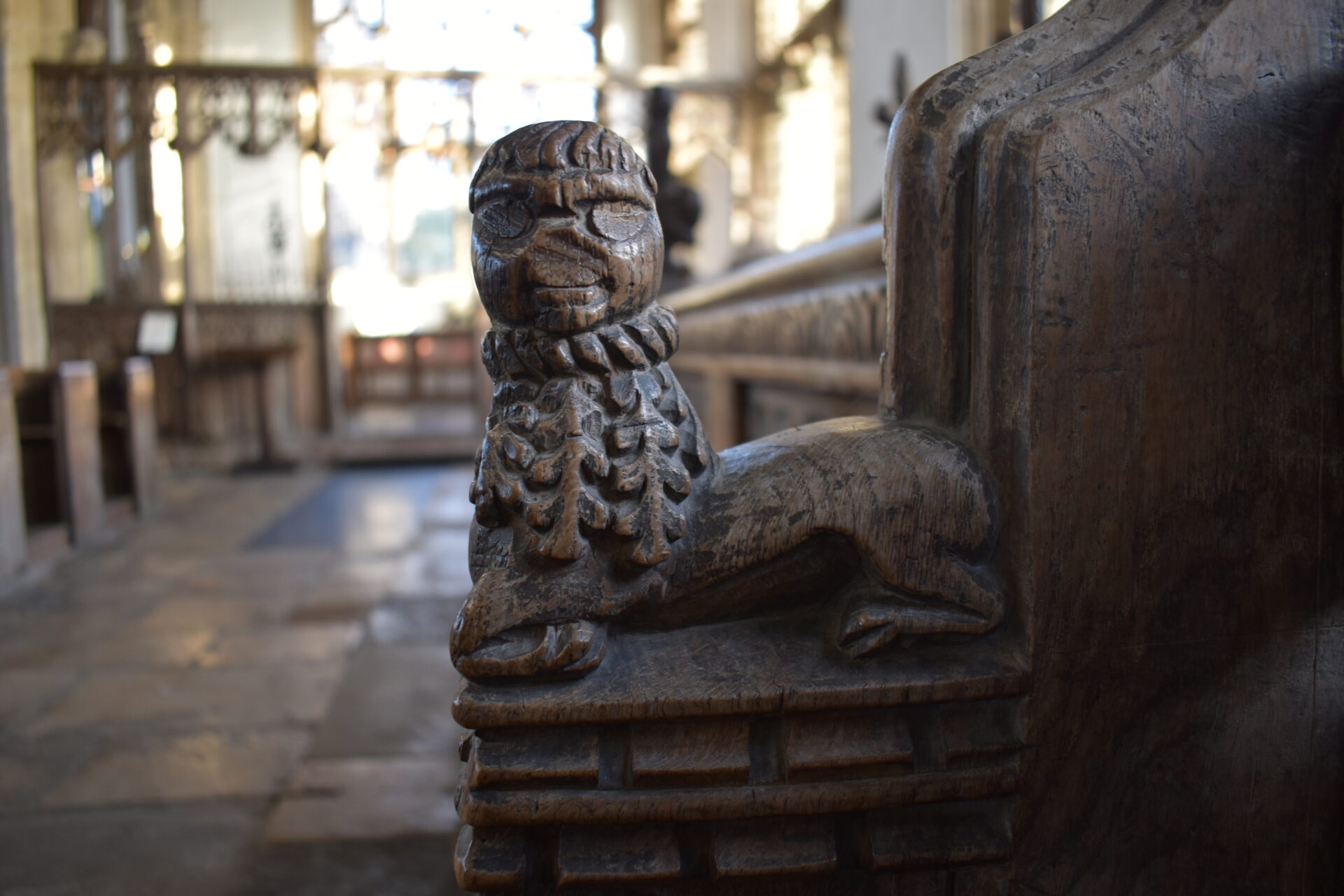
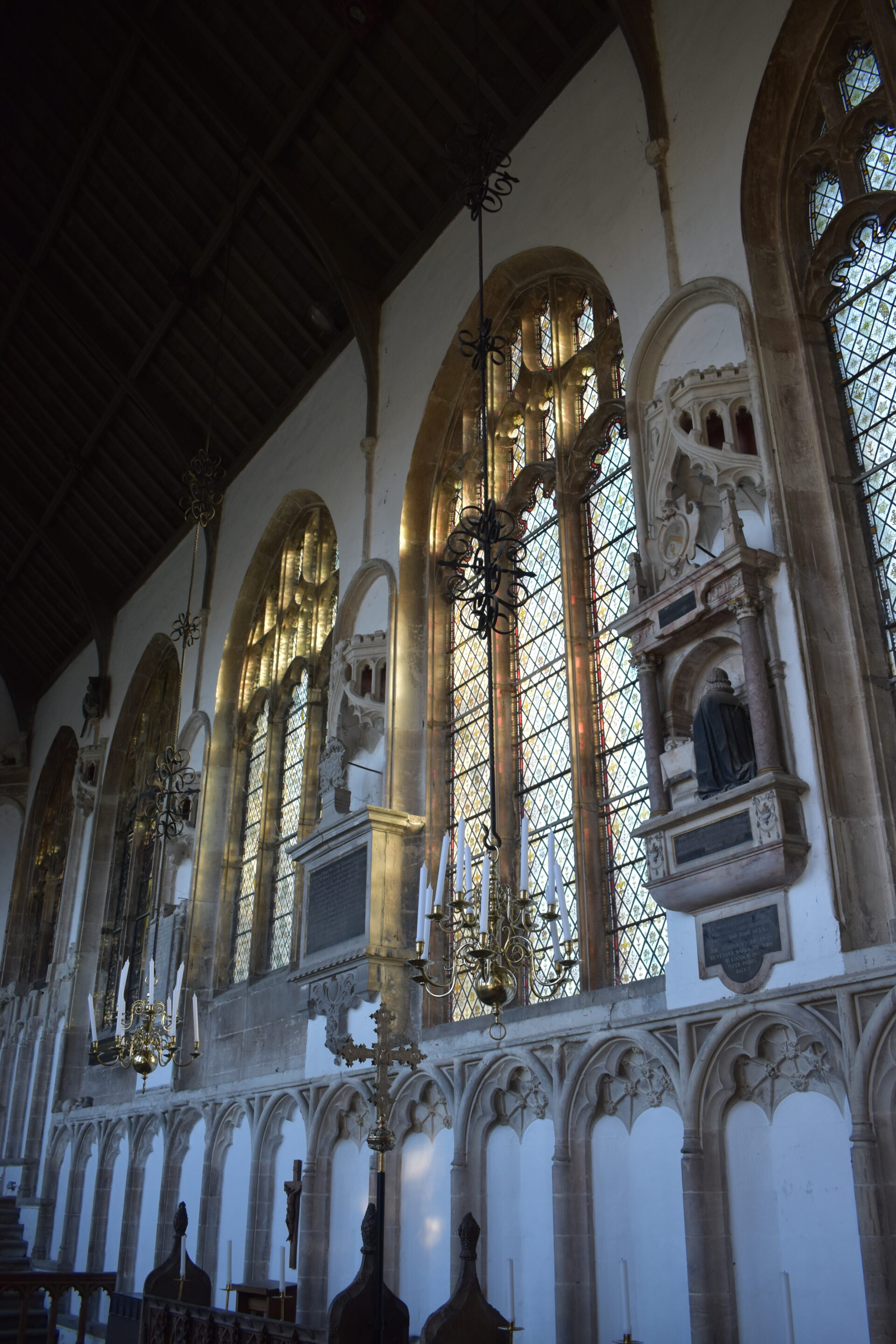
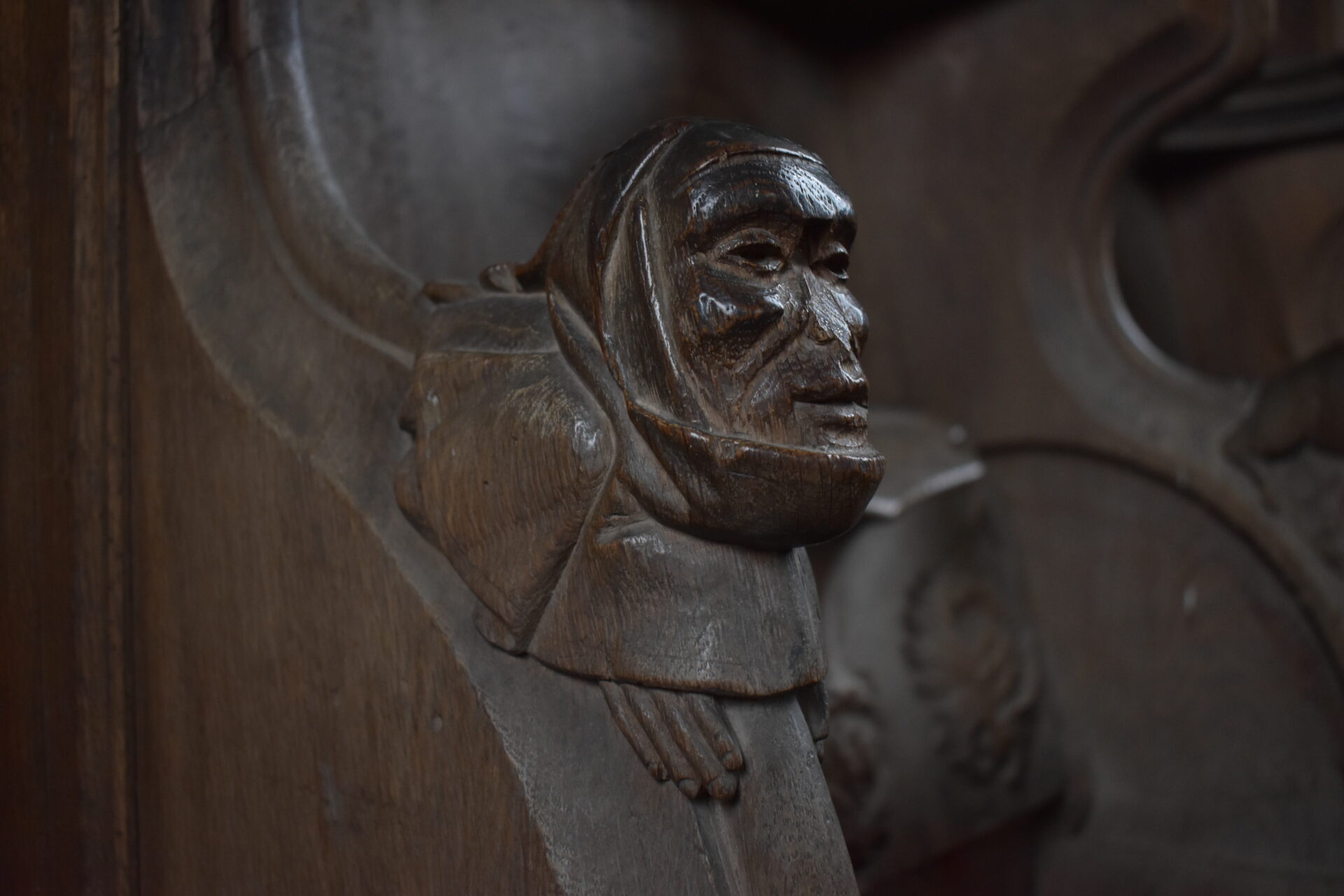
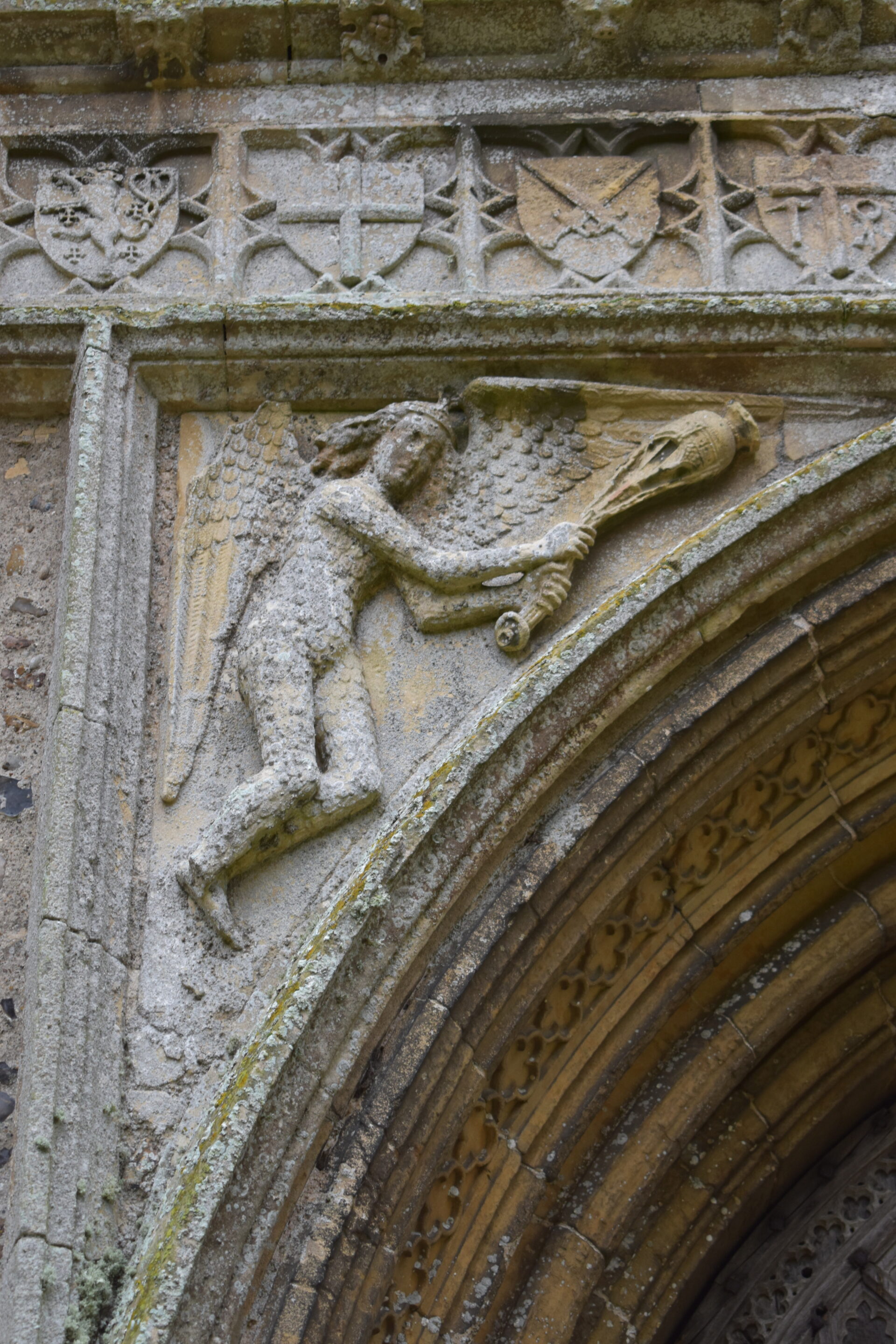
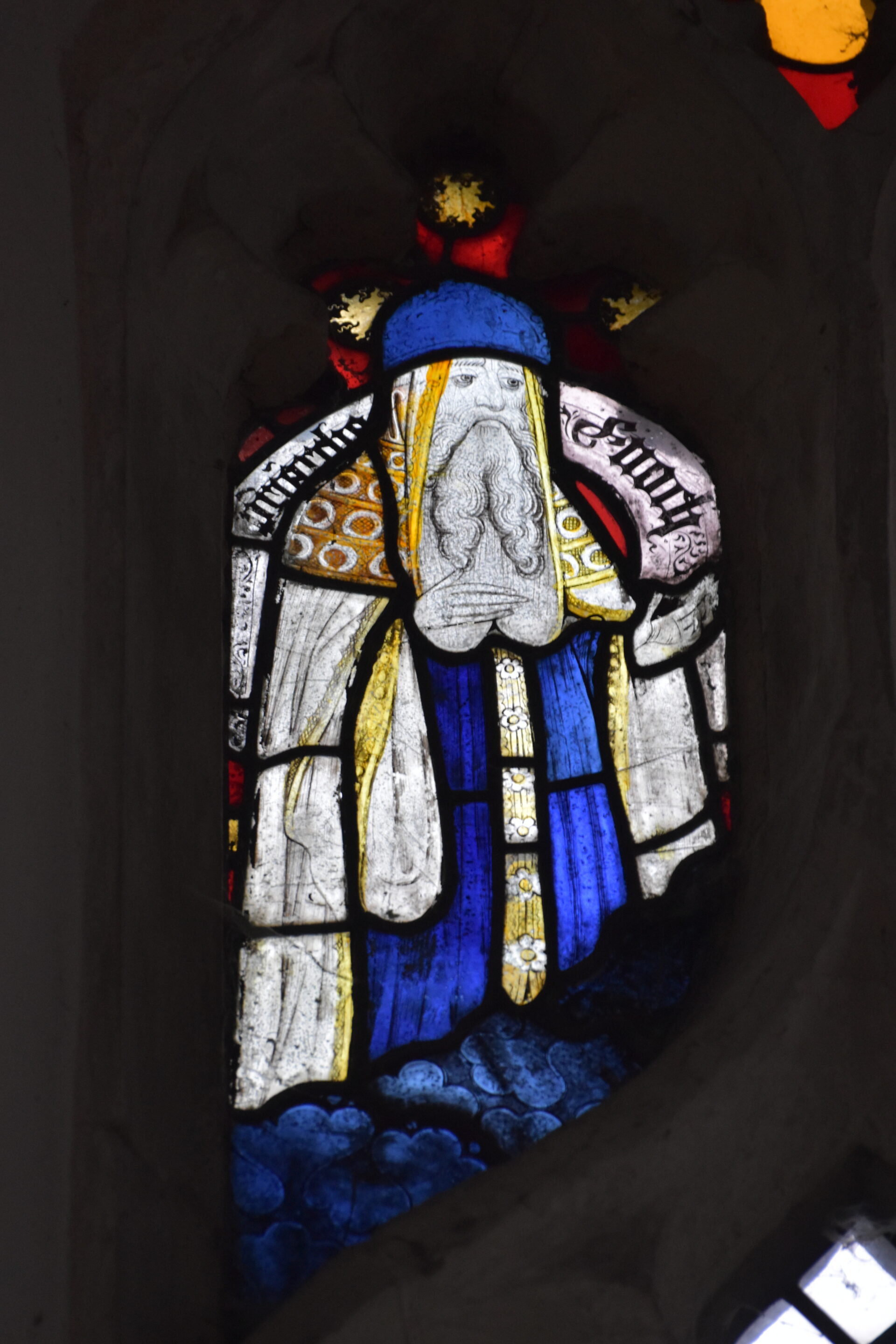
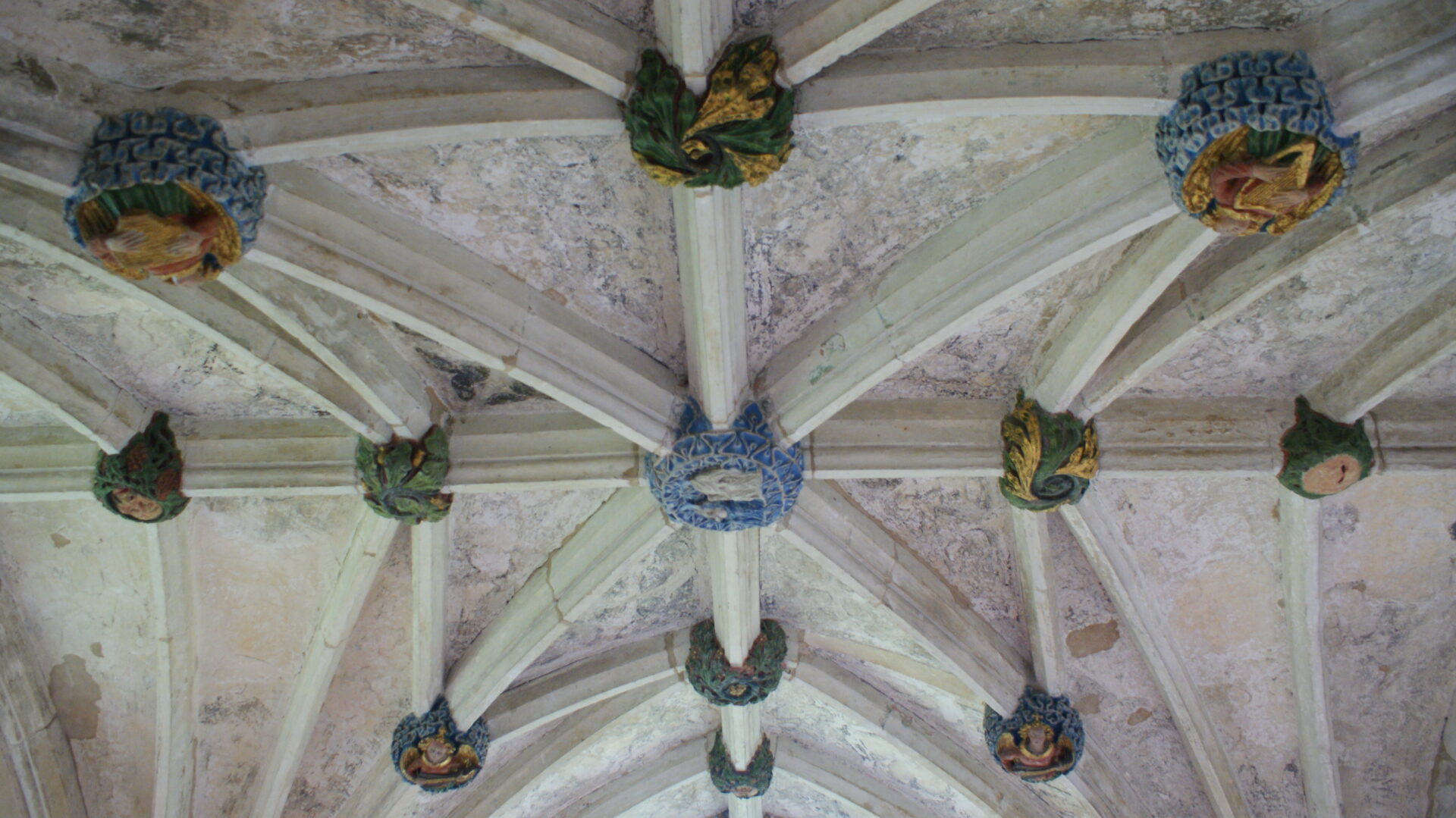
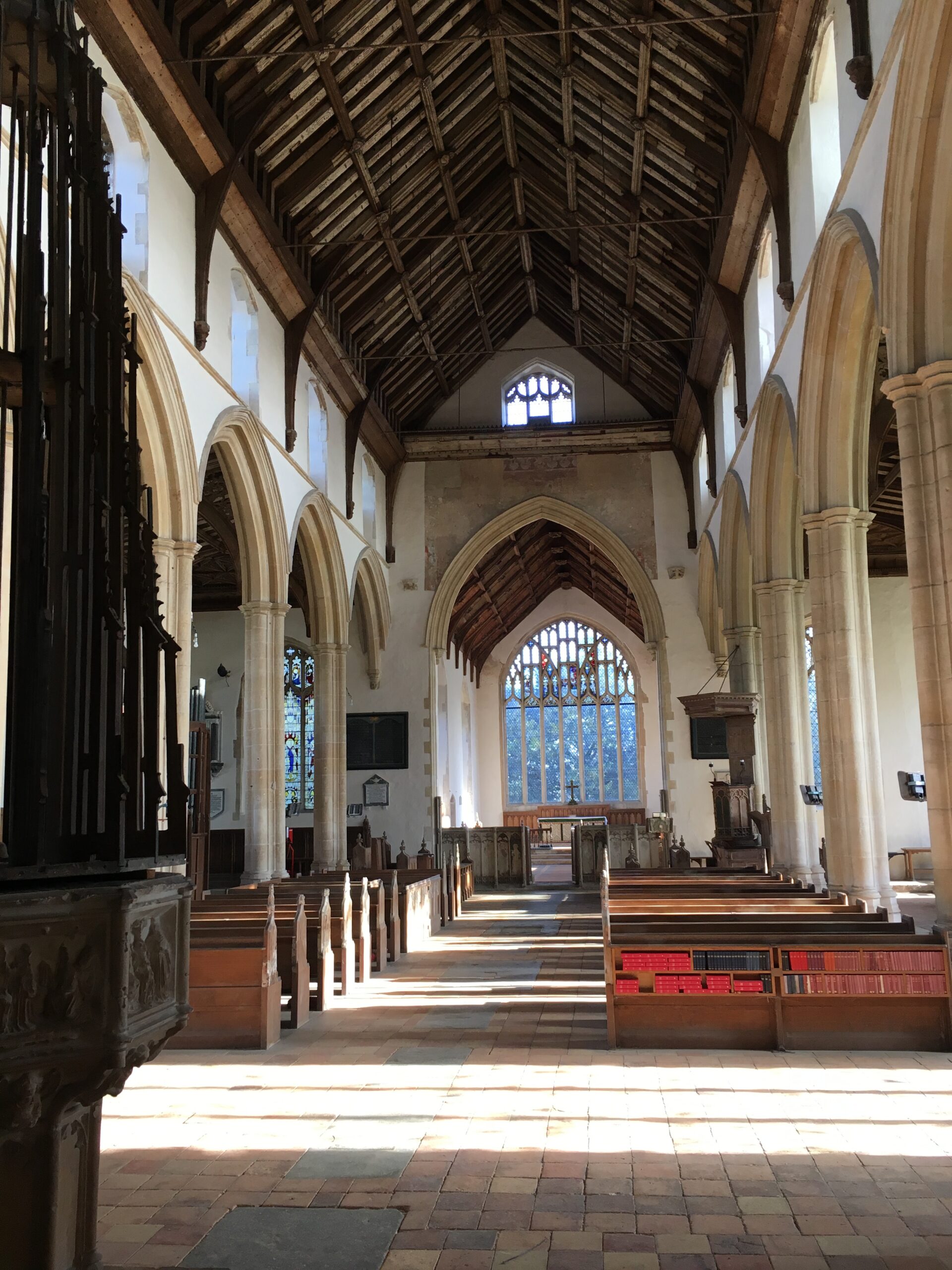
Author and architect Henry Munro Cautley described St Peter & St Paul’s Church in Salle as ‘the finest church in Norfolk’. It has examples of nearly everything a church should have and the vast majority is of a piece, dating to the 15th century. The building of the church, which occurred as a single construction project, was unusually funded by not one but by several wealthy local families as an act of piety. These families included the Boleyns, Briggs and Luces. As such, no expense was spared. Bequeathing a church and its furnishings ensured that one’s soul would remain in the prayers of worshipers after death, in the mutually beneficial channel of prayers flowing between the living and the dead. The 126ft battlemented tower is visible for miles around – just look at the size of the traceried sound holes. The west doors are beautifully decorative and carved above are two feathered angels swinging incense burners. Flanking them on either side are canopied niches and above are armorial shields. The third from the right is the arms of Henry V as Prince of Wales (1400-13). Unusually this is the main entrance. Enter and step back in time. The soft ticking of the tower clock reminds the visitor that time hasn’t stood still. Enjoy the sense of immense space; the church has a total length of 171ft, just longer than that of Walpole St Peter. The nave is 28ft wide, the aisles 14ft wide, and across the transepts no less than 98ft. The Seven Sacrament font stands on two steps. The top is traceried and the bottom is inscribed with a request for prayers for donors John and Agnes Luce, and their son Robert ‘and for those whom they are bound to pray who caused this font to be made’. The bowl features depictions of Baptism (SE), Ordination (S), Mass (SW), Crucifixion (W), Extreme Unction (NW), Matrimony (N), Penance (NE), Confirmation (E). It is unique in one respect for below the panels are the emblems of each sacrament: a casket of oil for Baptism, a mitre for Confirmation, an altar slab for Mass, a rod for Penance, a soul rising out of a shroud for Extreme Unction, and a chalice for Ordination. Angels adorn the nave roof, along with monograms and crowned letter ‘M’s. The chancel roof is decorated with beautiful carvings. From the west are the Annunciation, the Nativity and Shepherds, Adoration of the Magi, Entry into Jerusalem, Last Supper, Resurrection and the Ascension. Coloured bosses can also be seen in the north porch. Unfortunately the rood screen fell victim to the iconoclasts. There are eight mutilated painted panels, with the four Latin Doctors on the doors. The 15th century pulpit has traceried and coloured panels with a Jacobean backboard and canopy. There is also a Jacobean prayer desk and clerk’s desk. The exquisite medieval stained glass deserves careful examination. Bring your binoculars to admire donor Thomas Brigg and his two wives, fragments of the nine orders of the angels, Old Testament prophets with flowing beards, princes with old kneeling kings and female saints. Don’t miss the menagerie of carved animals and faces on the arms of the chancel stalls and on the misericords.
St Margaret of Antioch’s Church, Cley-next-the-Sea

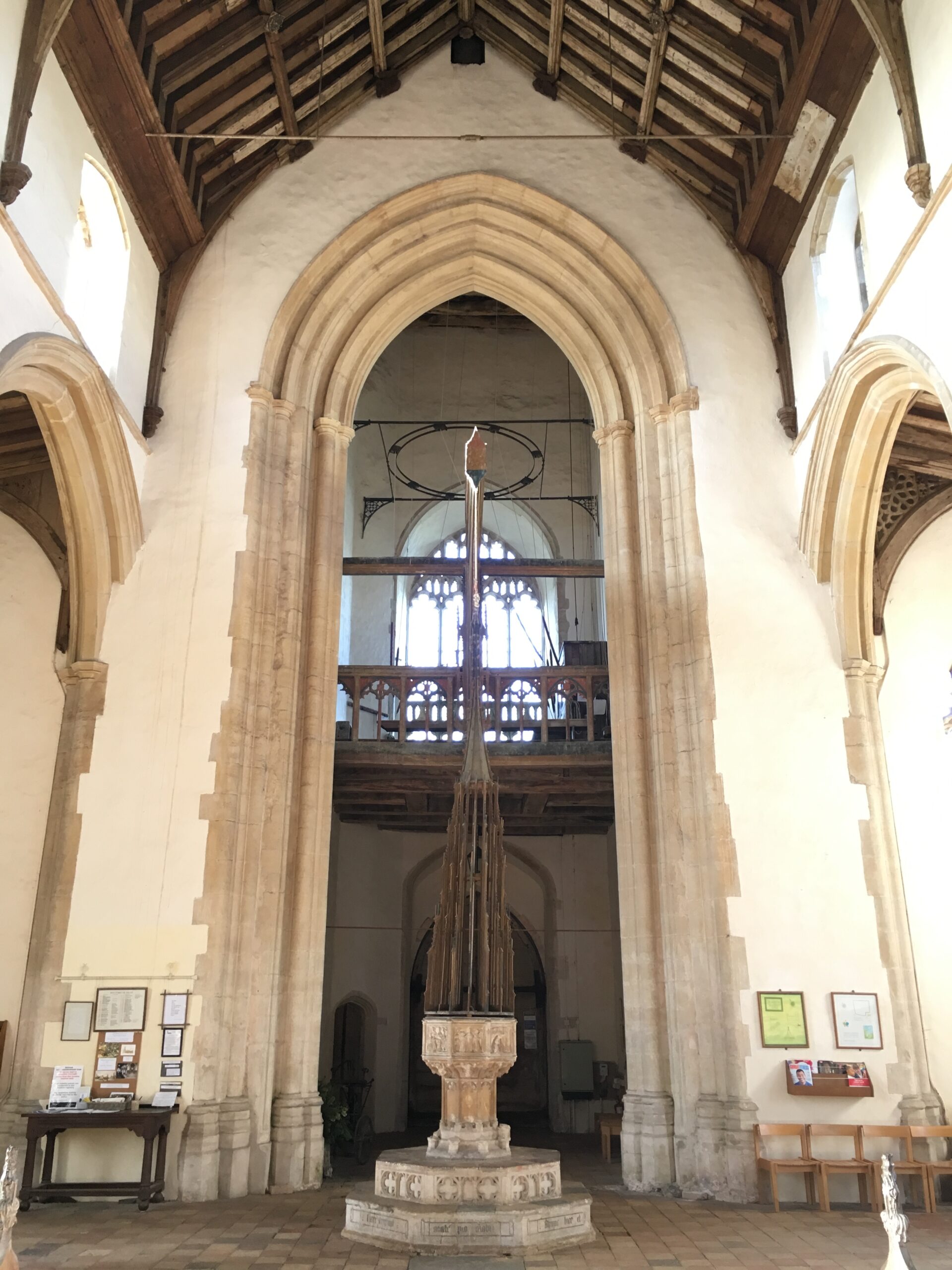
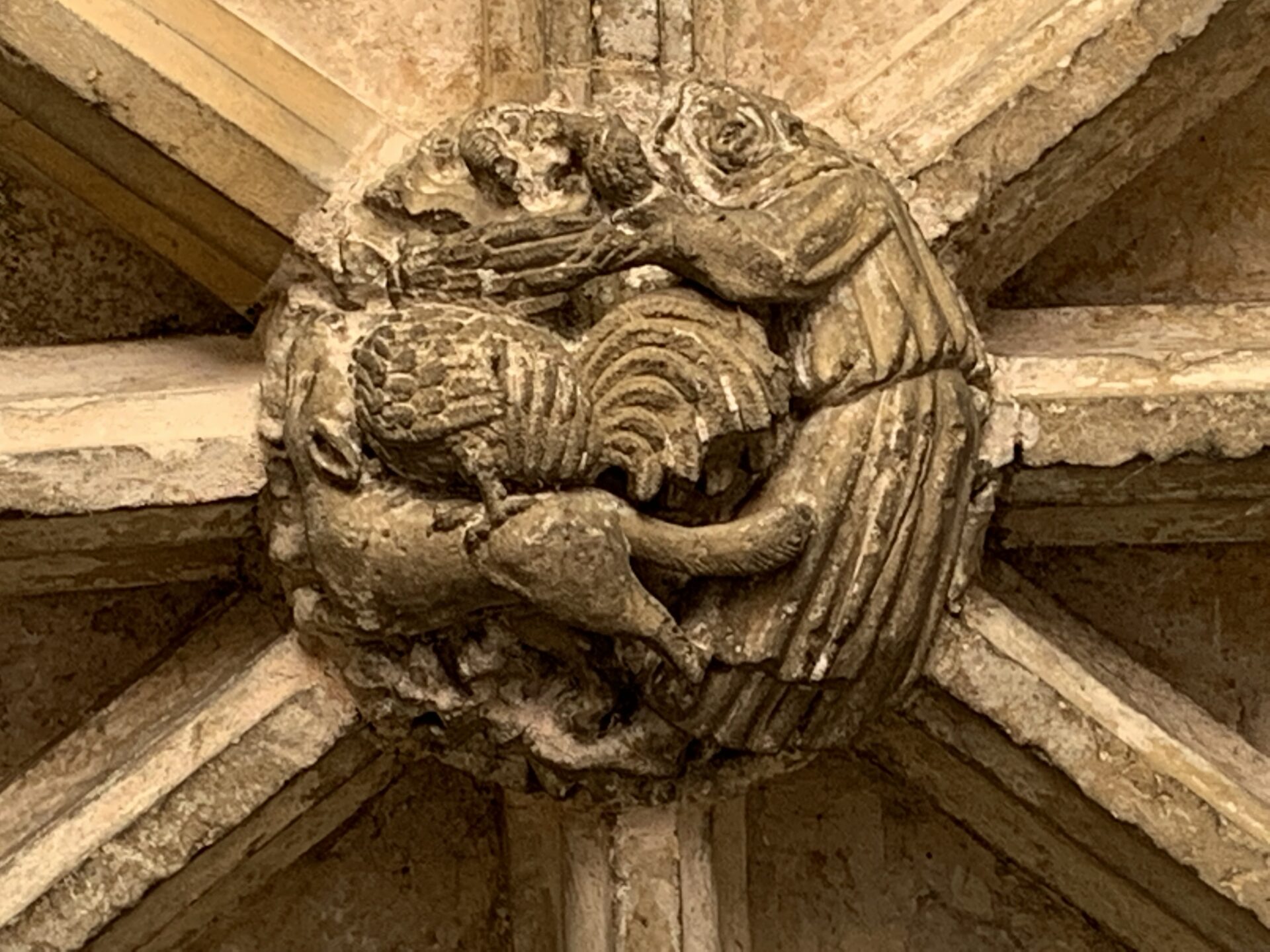
This splendid church largely dates from the early part of the 14th century and stands on the site of an earlier building, across the valley from St Mary’s Church, Wiveton. In the Middle Ages the valley between the two was a prosperous harbour. It was used by coastal and foreign craft and brought considerable wealth to the area. Carvings, niches and pinnacles feature in abundance. The ruined south transept has particularly opulent Decorated window tracery. Worked ceased due to the Black Death in 1349 and the subsequent lack of craftsmen meant that it never restarted and the Perpendicular style was coming into fashion (see the west window and south aisle windows, and south porch). Step into the south porch and look up at the bosses. One features a fox running off with a chicken, chased by a woman and another shows two devils beating a man’s bare backside. A beautiful Decorated cusped doorway leads into a church of almost cathedral-like proportions. The vast west window and large cinquefoil windows of the clerestory flood the interior with light. There is a fine Seven Sacrament font. These are predominantly found in East Anglia, and around thirty survive. They date from the late 15th to early 16th centuries and were installed to reinforce Catholic orthodoxy. A carving of each sacrament adorns each font, and the eighth panel varies in its design. The sacraments are: baptism, confirmation, the Eucharist (Mass), confession, marriage, ordination and extreme unction (the last rites). The eighth panel at St Margaret’s Church is lost. Don’t miss the carvings between the arches of the arcade showing an imp, St George and the dragon, a lion with a bone, an angel playing the cymbals and a musician. In the chancel are six misericords carved with shields. A medieval mensa stone lies beneath the altar. Explore the wonderful range of 18th century headstones in the churchyard.


St Mary’s Church, Snettisham

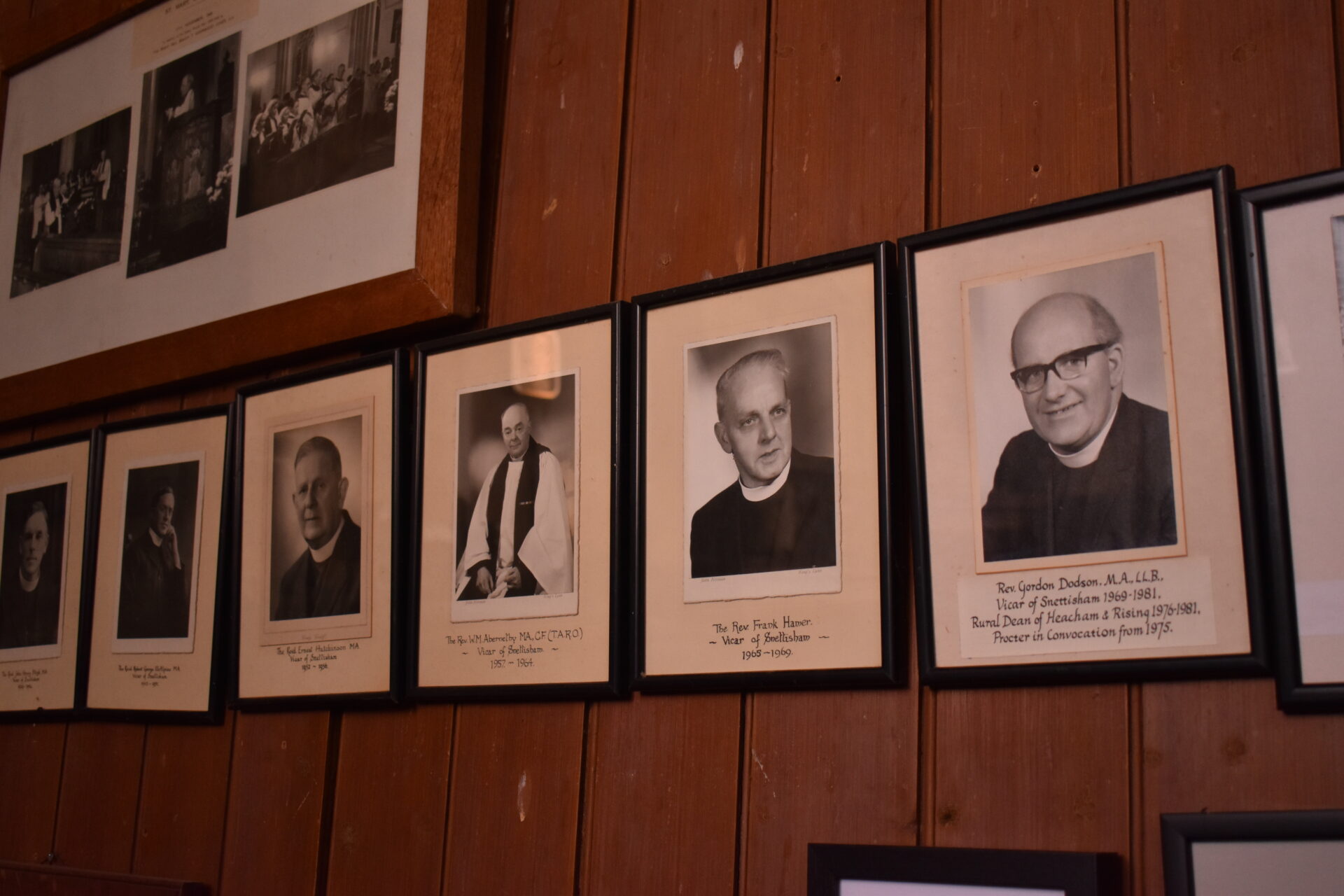
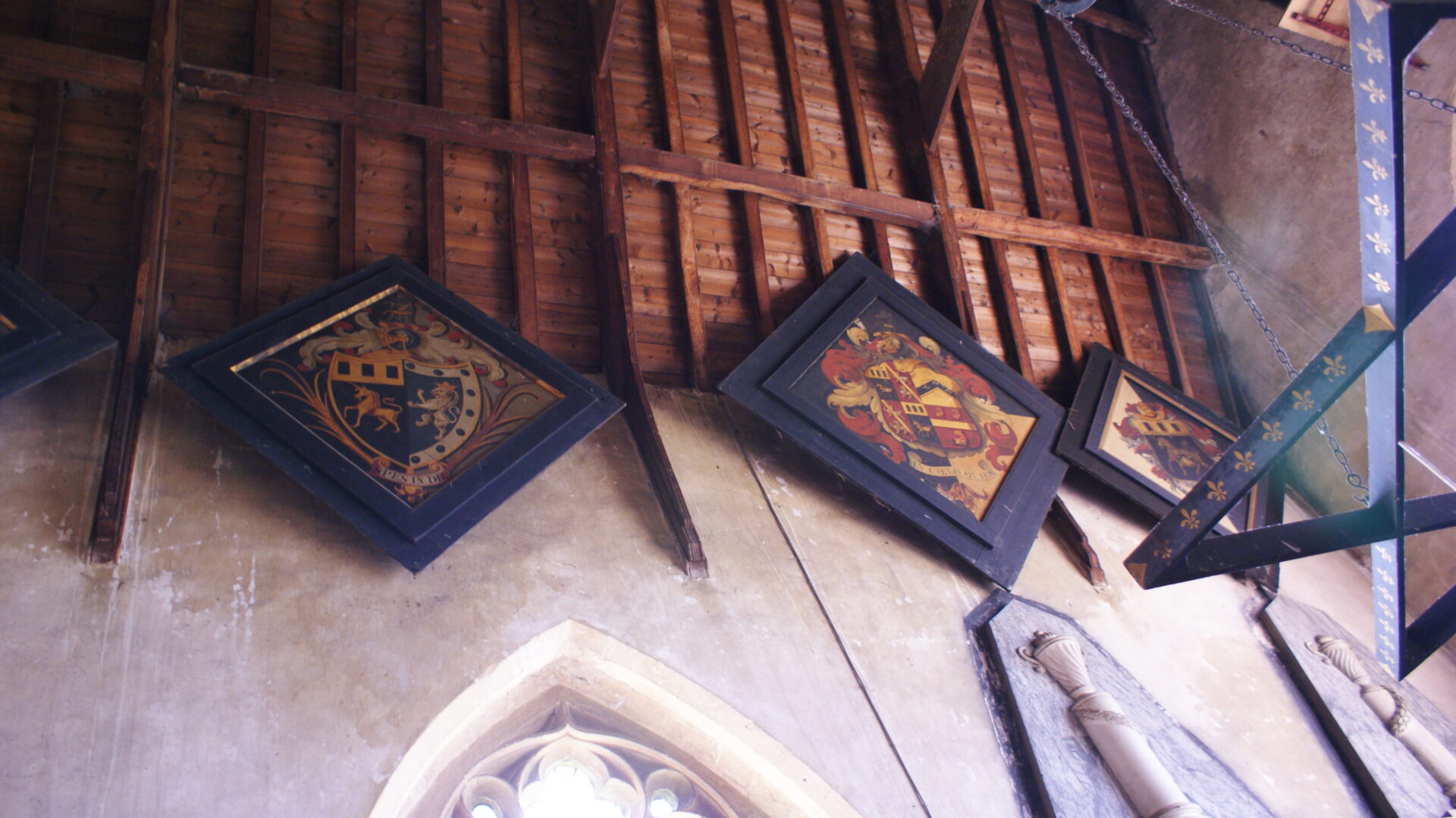
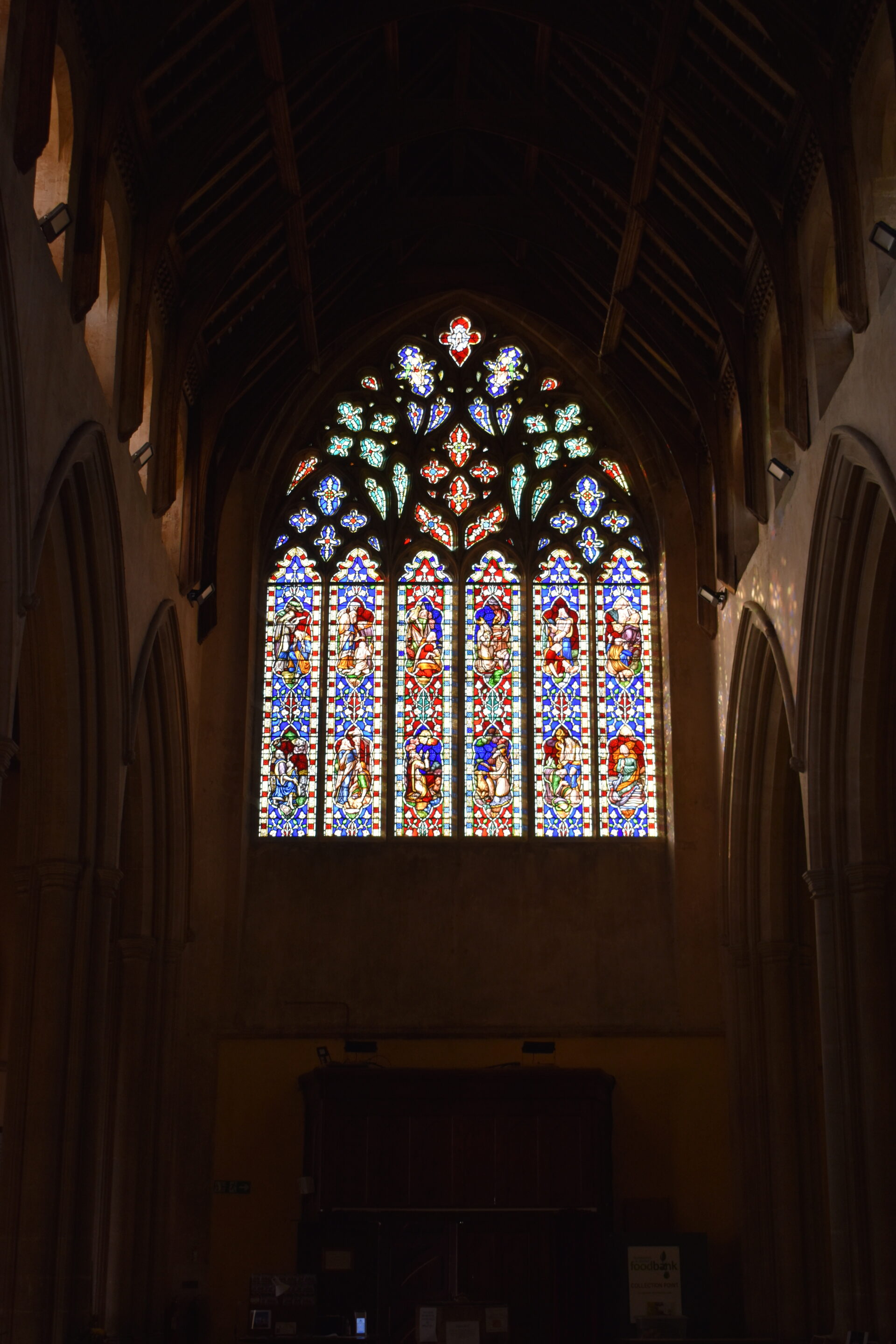
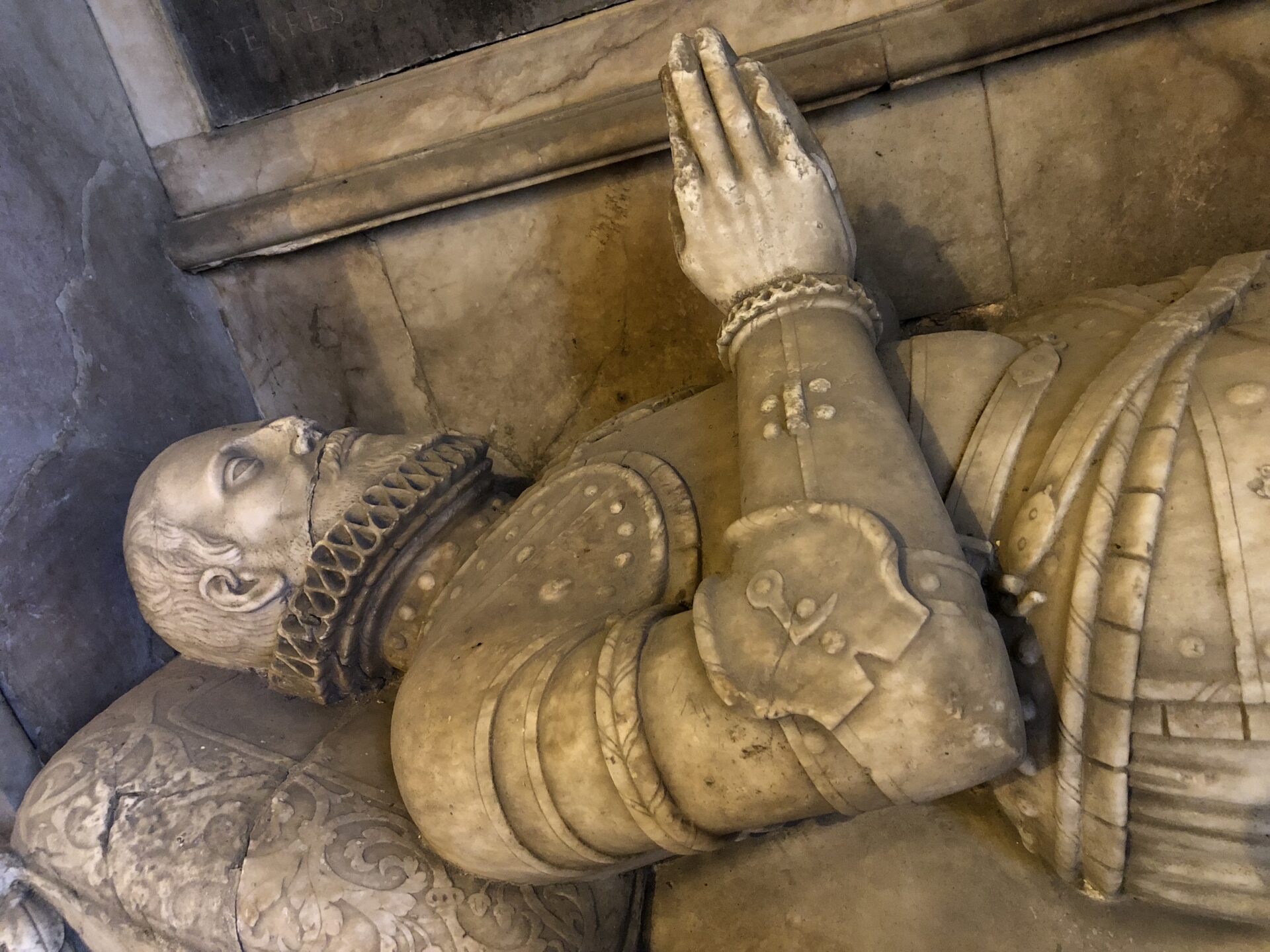
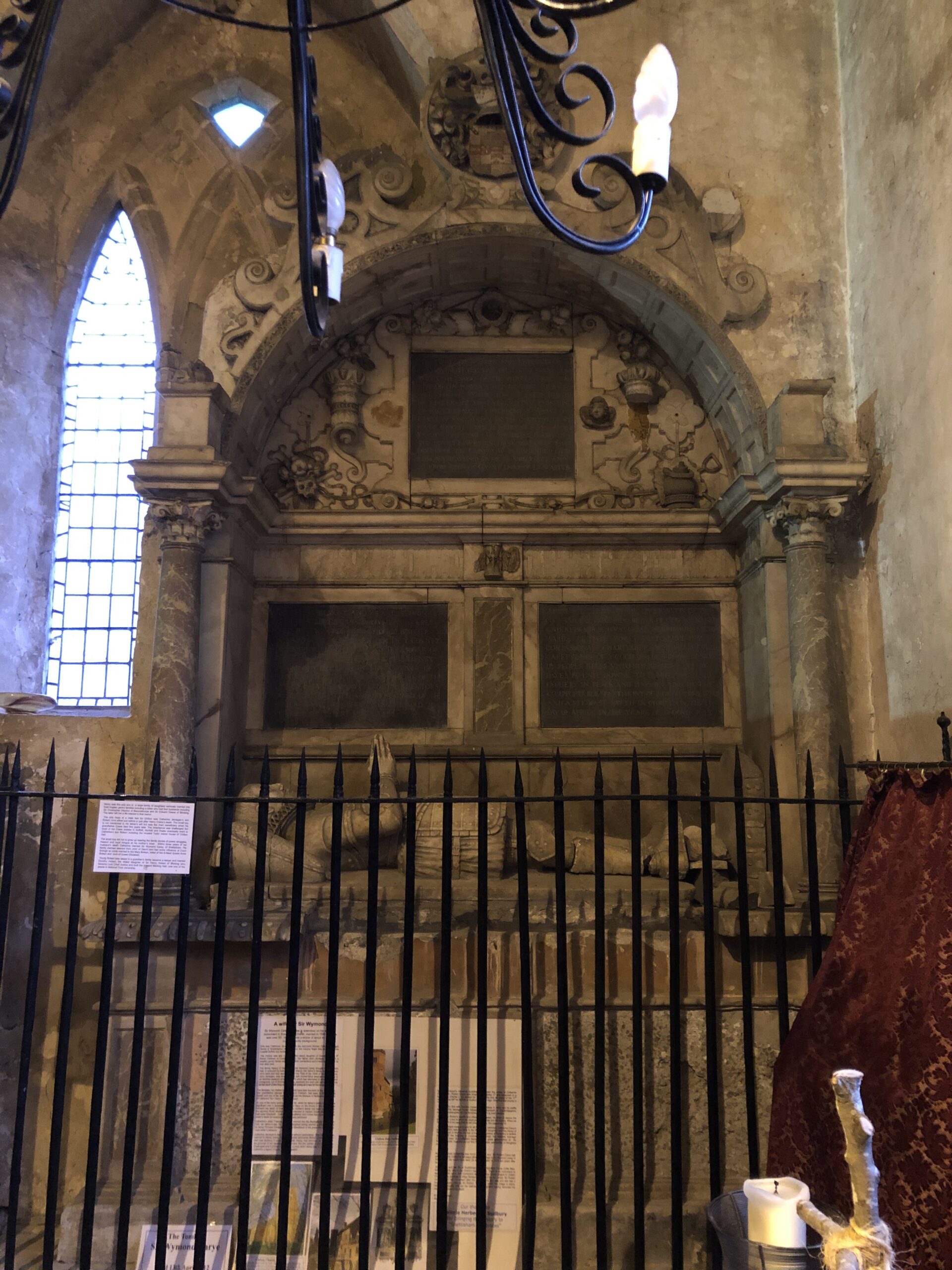
The architectural historian Nikolaus Pevsner called St Mary’s Church “the most exciting 14th century Decorated church in Norfolk.” D.P. Mortlock and C.V. Roberts in their Guide to Norfolk Churches call it ‘the finest coherent example of the Decorated style in the county.’ The church was built around 1340. It sits on high ground above the village, and was often used as a landmark by sailors navigating The Wash. The soaring 175ft tower and spire complete with flying buttresses is one of only five spires in Norfolk and was largely rebuilt after a storm in 1895. There was once a 40ft chancel (the remains can be seen in the churchyard) but it was demolished in the late 16th century, the result of which is a tower at the east end rather than over the crossing. The north transept was reduced in size in 1597. The magnificent six-light west window with its intricate tracery is particularly impactful. It is framed by turreted buttresses either side. The glass, dominated by striking reds and blues, dates to 1846. Entry to the church is via a tree-lined path and through the west porch. The interior is lofty and bright with beautiful five bay arcades and delicate composite pillars. Notice the colourful pulpit – Perpendicular but heavily restored and repainted by the Victorians. In the north aisle is a grand alabaster monument to a recumbent Sir Wymond Carye (d. 1612). The font was restored in 1856 but the 14th century bowl survives. St Mary’s is thought to be the first English church damaged by a bomb from the air, dropped in January 1915. It landed 60 yards away in a nearby field and blew out some of the church’s windows. This was the first German Zeppelin raid on Britain, made by two airships, and bombs were also dropped on King’s Lynn, Beeston and Great Yarmouth.
Wymondham Abbey

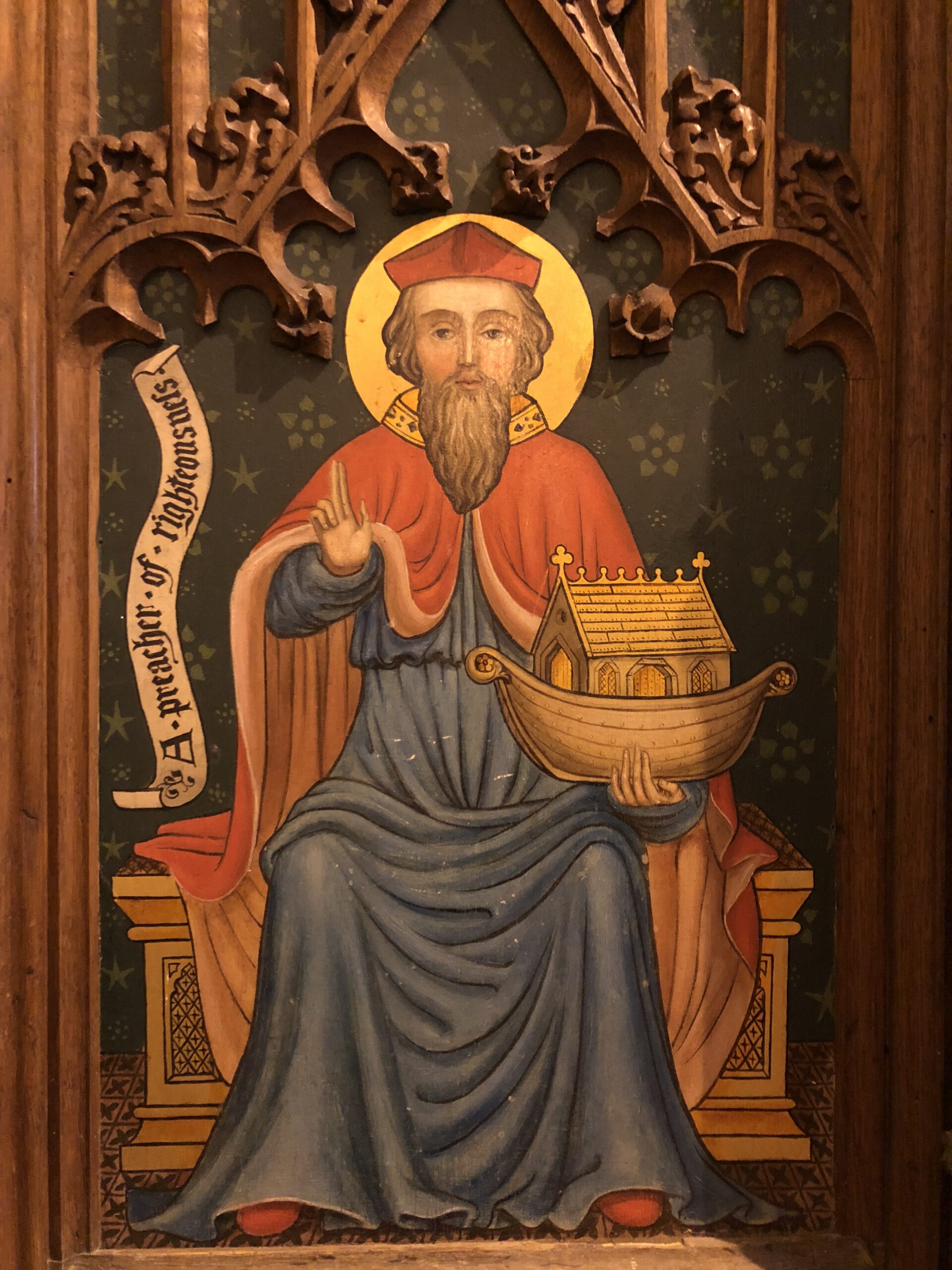
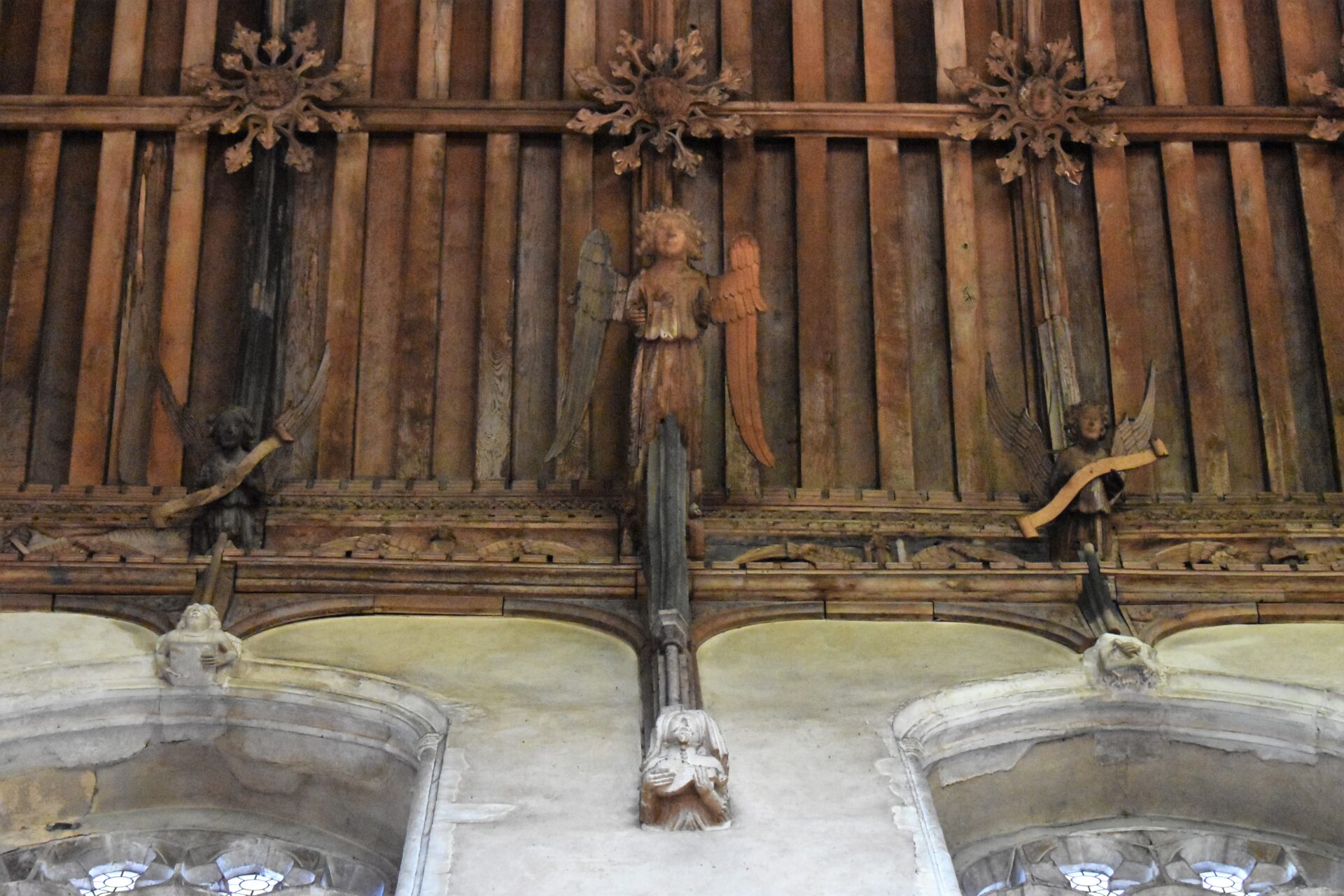
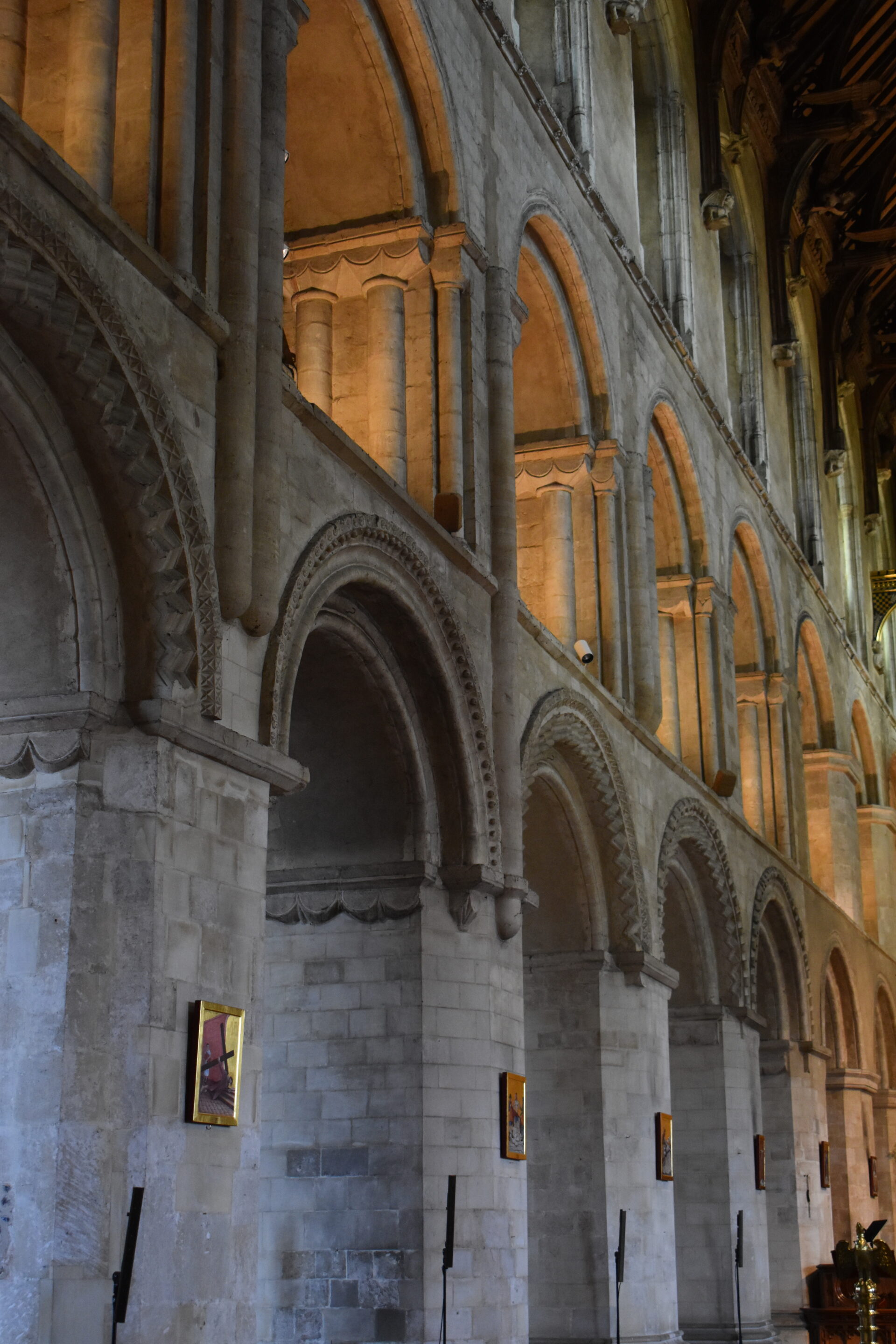
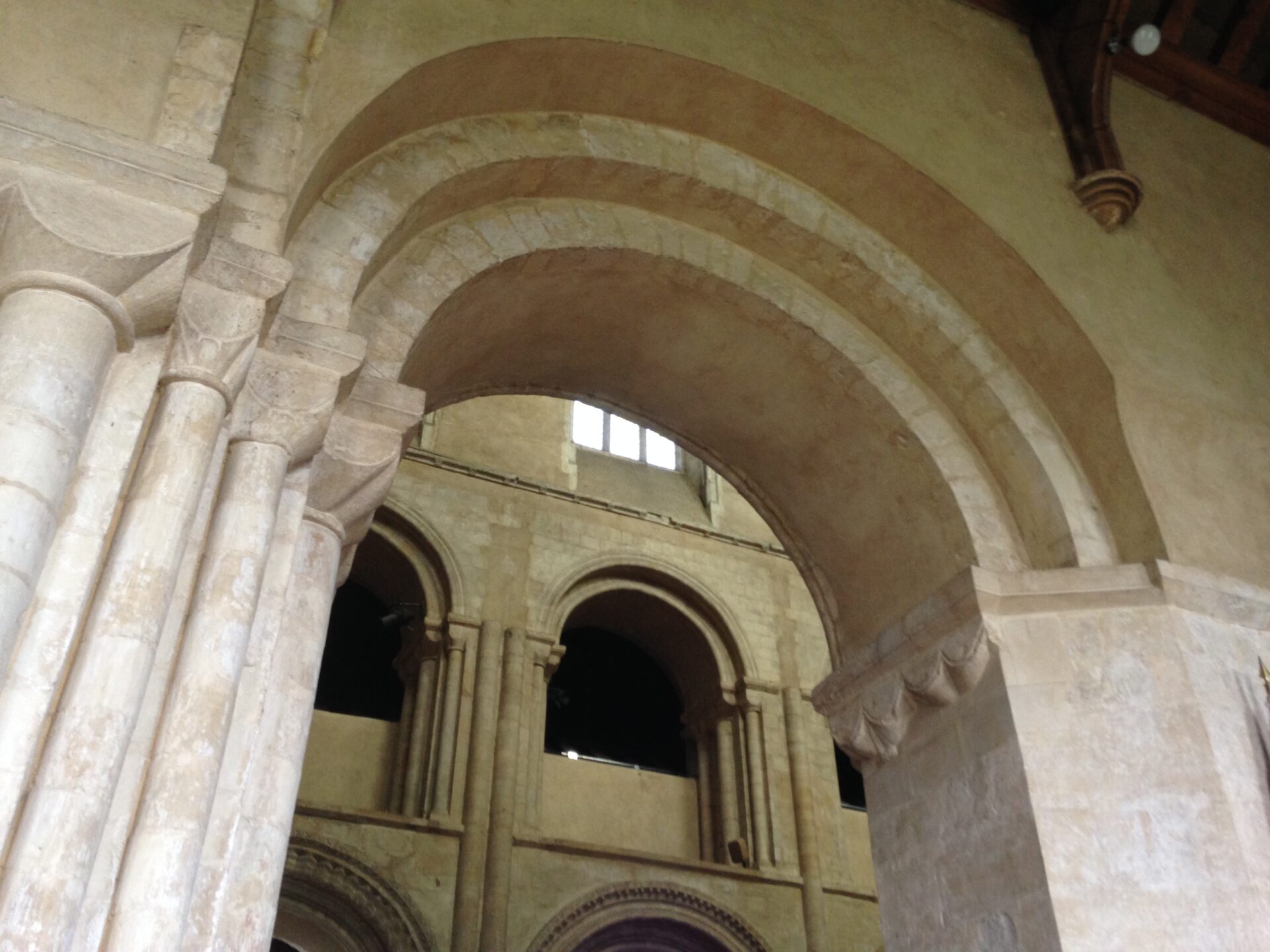
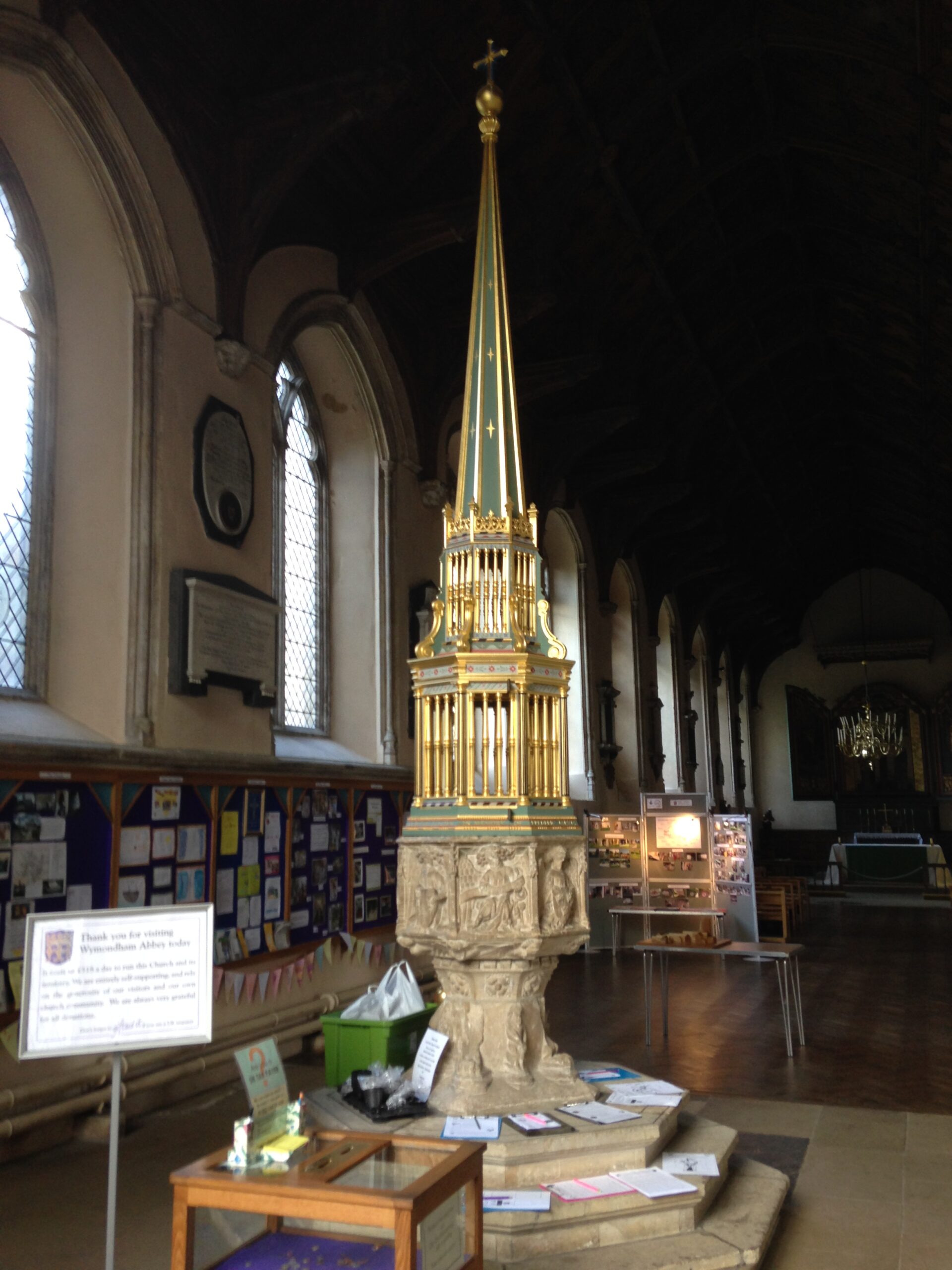
The buildings known as Wymondham Abbey are the remains of a Benedictine monastery, founded in 1107 by William d’Albini, whose brother was the Abbot of St Albans. Excavations in 2002 discovered the fabric of a late Saxon or Norman church beneath the nave of the current church, and an earlier burial indicating the presence of a Saxon church nearby. The north aisle and nave were used by the town, and the chancel was used by the monks of the abbey. This dual usage caused much tension and produced two towers, one at either end of the nave, which results in the dramatic structure that you see today. Originally the church had two western towers with a third over the central crossing. This became unstable in the late 14th century and was rebuilt further west. The two western towers were replaced by the existing 142ft western tower from 1448 onwards. Following the Dissolution of the Monasteries in the 1530s, the eastern section of the church and the monastic buildings were demolished and the eastern tower fell into disuse. The nave continued to serve as the parish church, dedicated to St Mary and St Thomas of Canterbury. Surviving masonry elements include the south wall of the refectory and at least three unidentified buildings. The interior of the church does not disappoint, boasting a stunning gilded altar screen by the great Gothic Revival architect Ninian Comper, a 15th century hammerbeam roof with a host of angels, and a 15th century font complete with carvings of the symbols of the Evangelists, lions and woodwoses. Notice the Norman pillars at the west end of the nave which have retained their original shape. Look up at the eastern end of the triforium on the south side and you will see the window from the monks’ dormitory that they looked through to spy on the parish. In the south aisle a variety of creatures serve as pew ends.


Booton, St Michael & All Angels

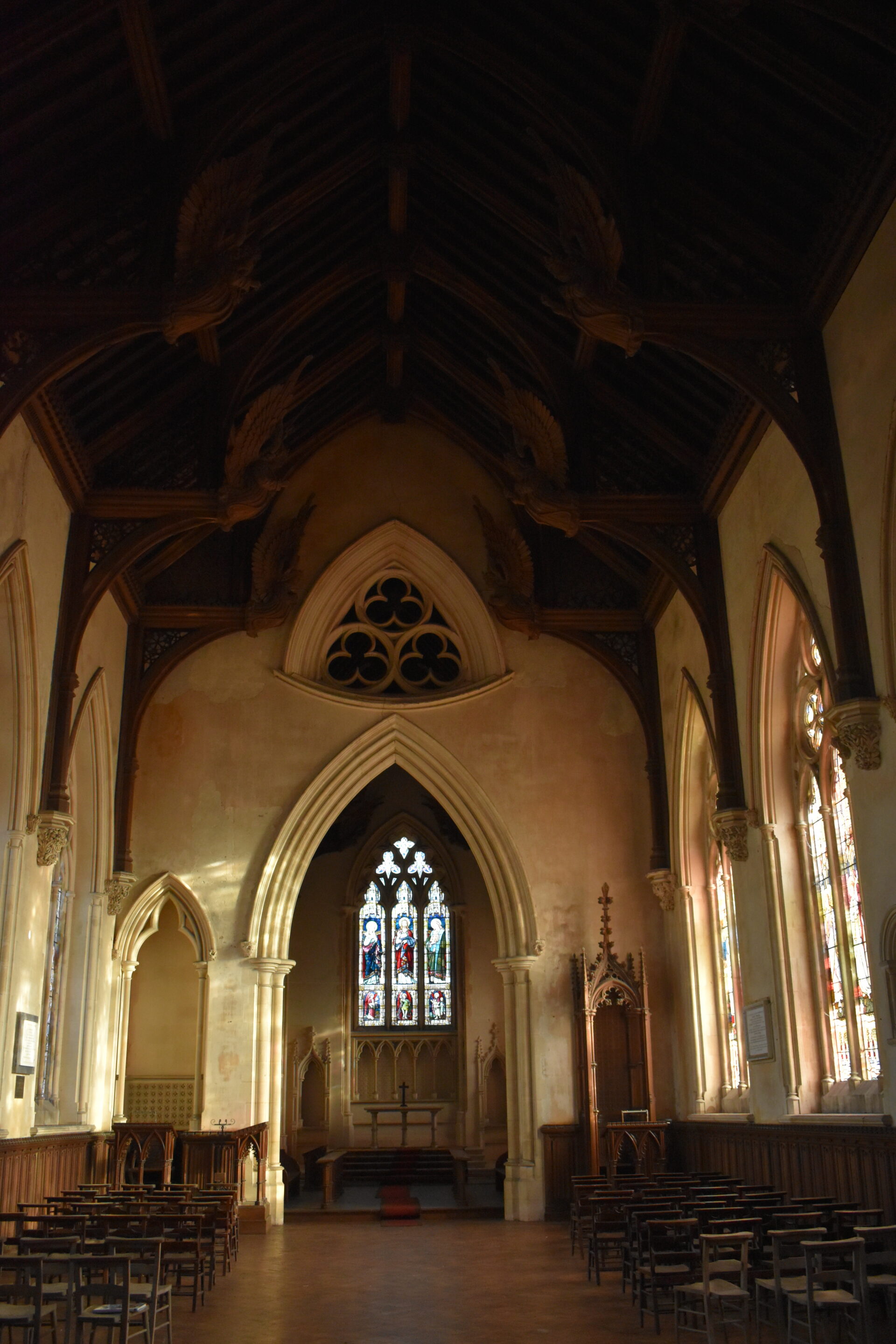
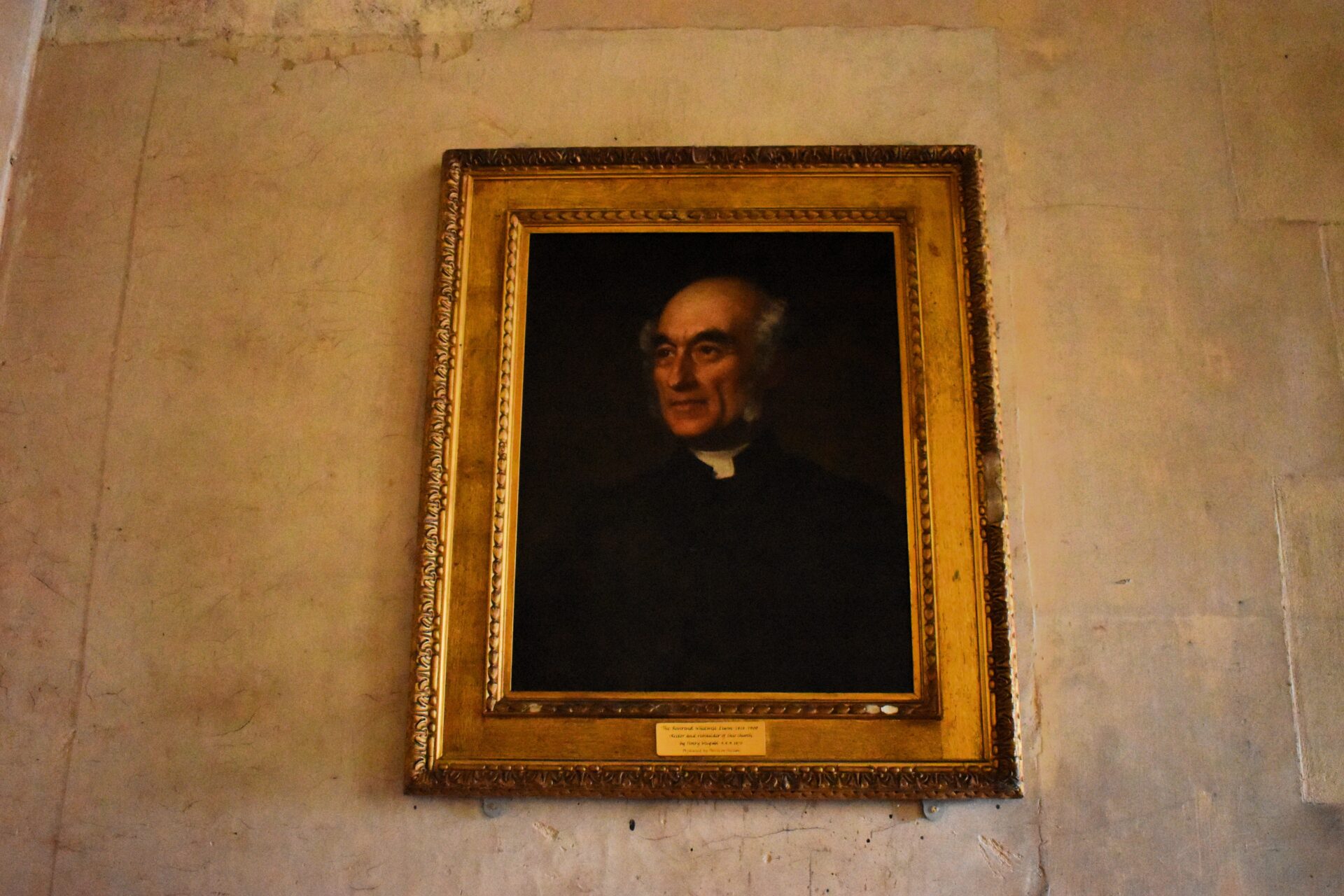
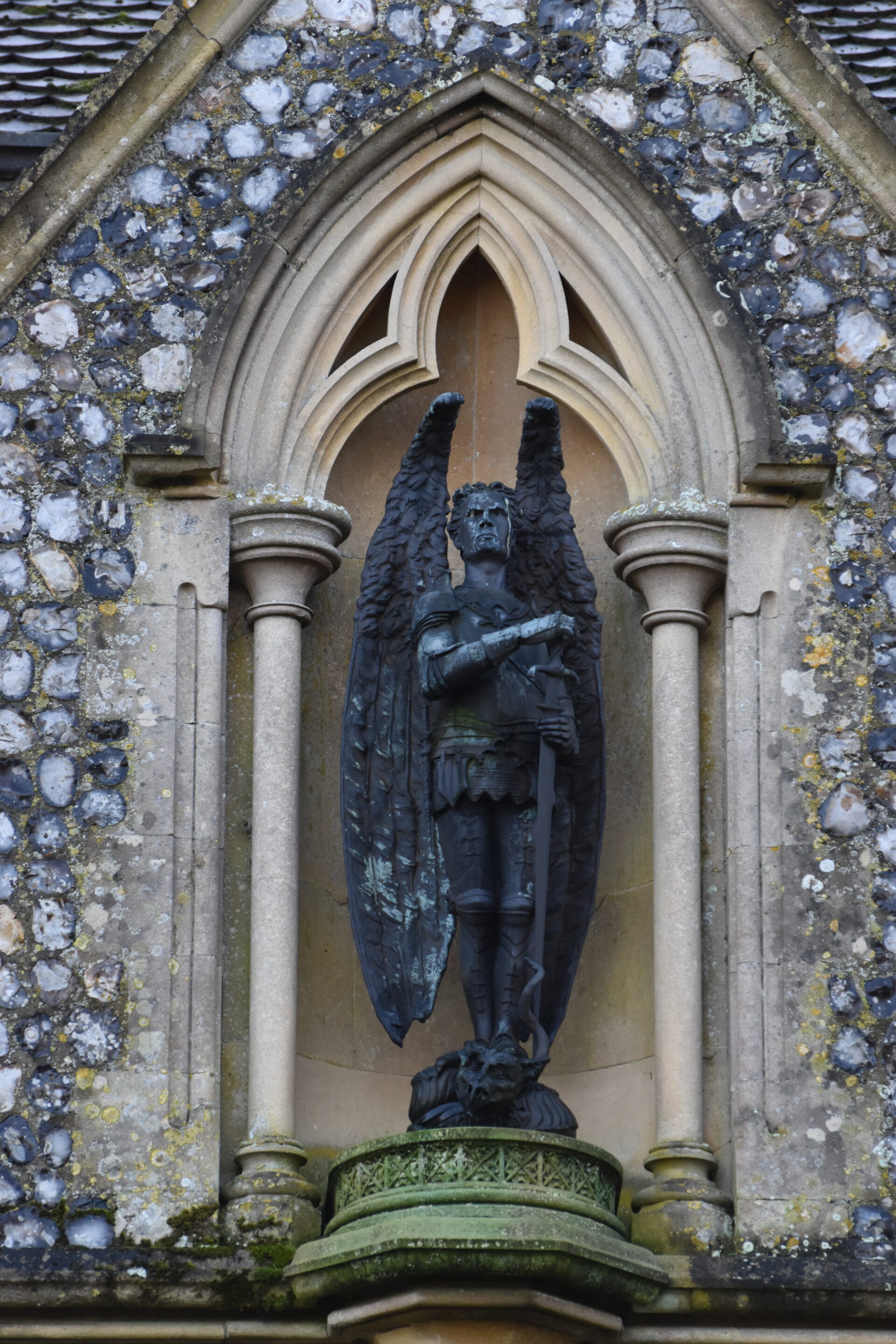
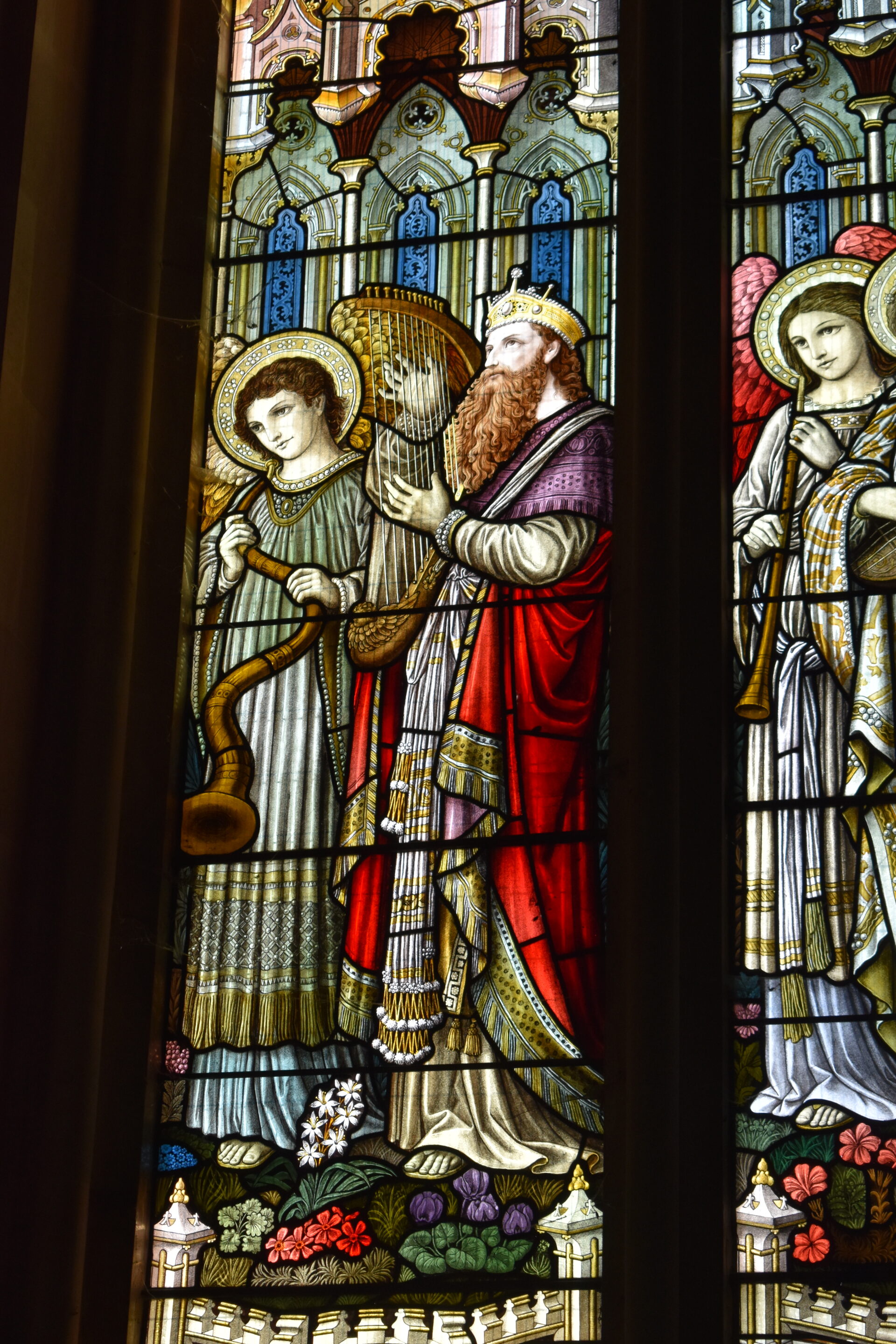
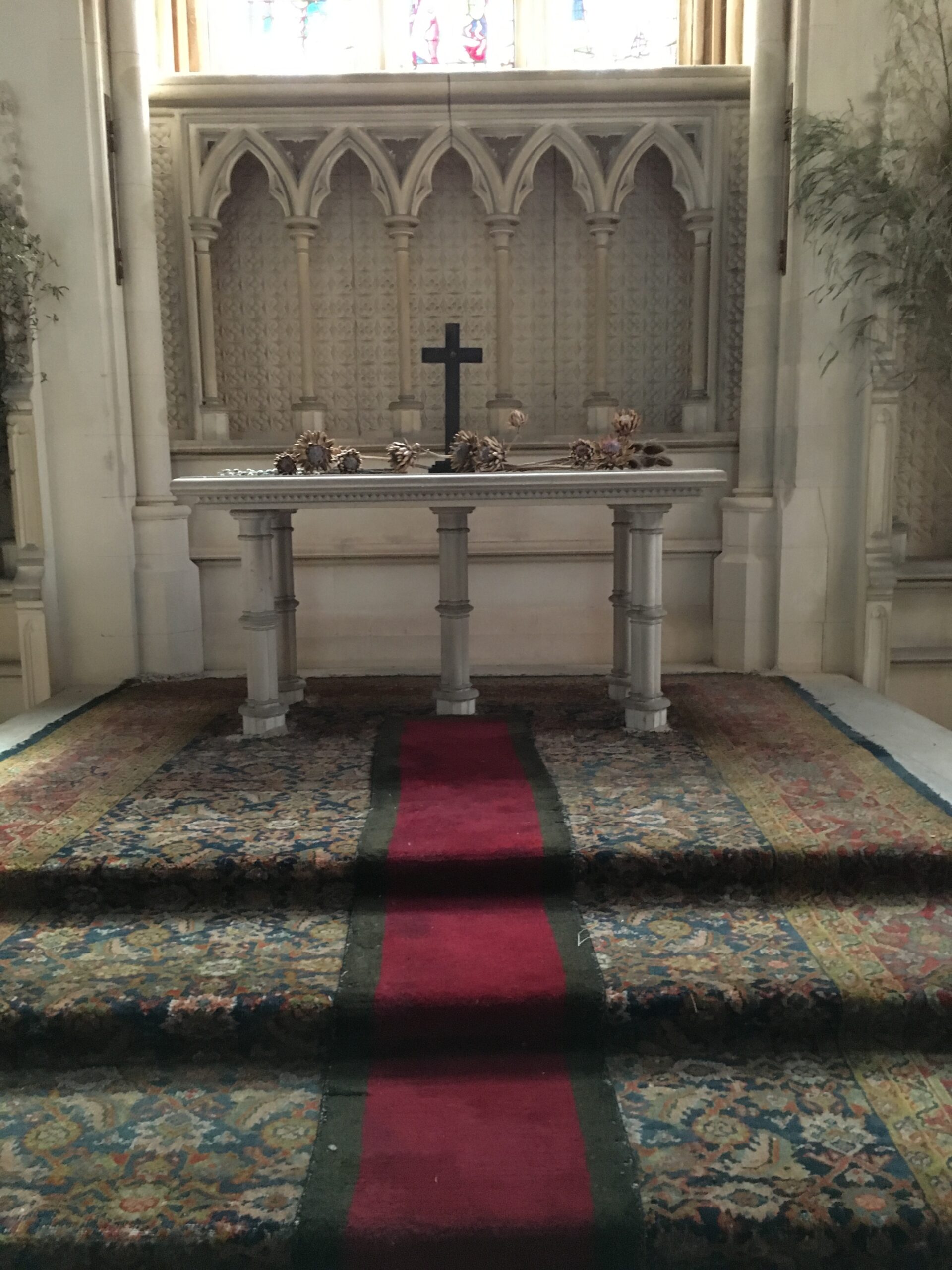
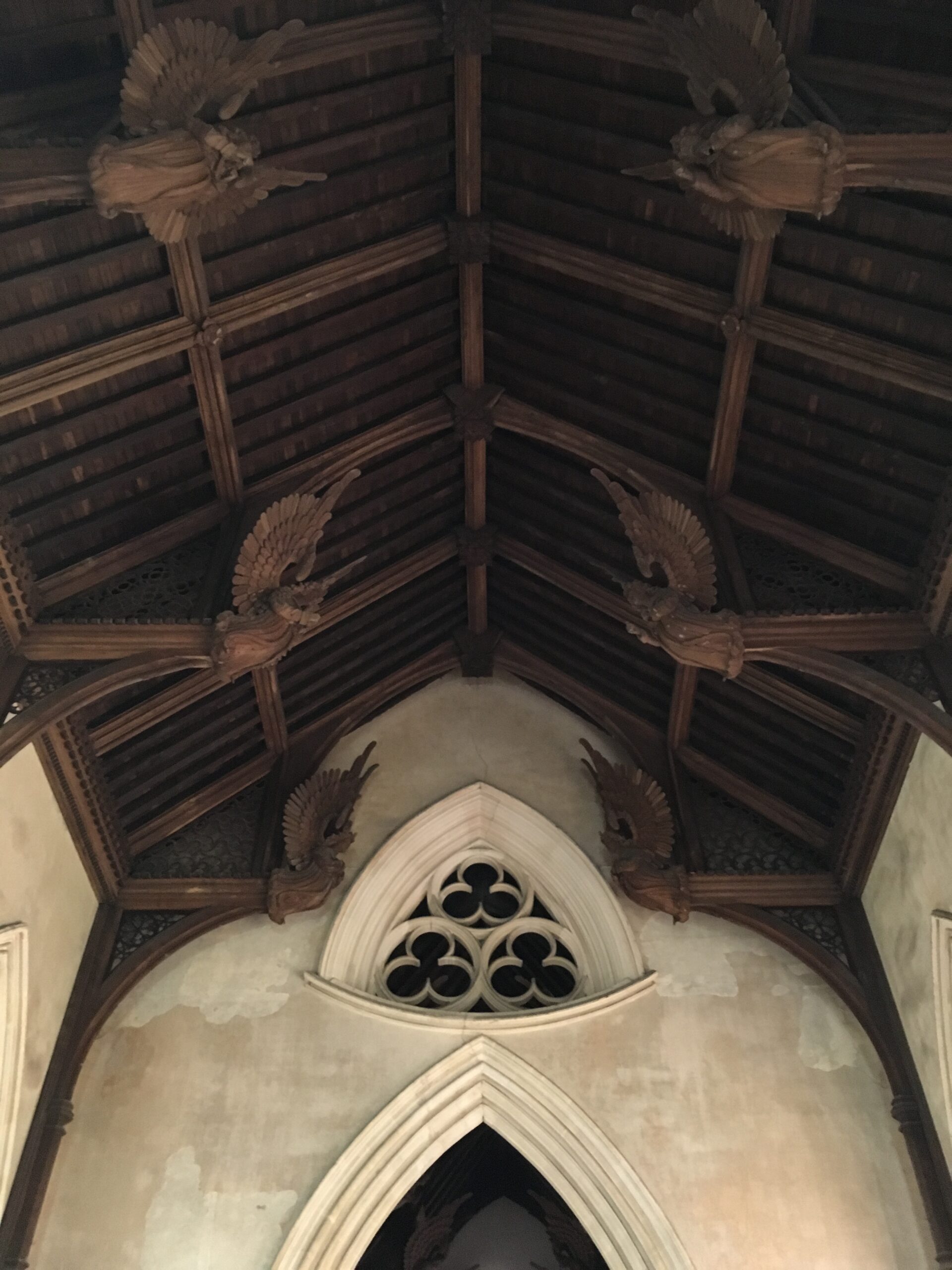
Reverend Whitwell Elwin was the rector of Booton, St Michael & All Angels for fifty years from 1850 to 1900 and we have him to thank for this superb church. He had the vision to encase the chancel and completely rebuild the rest of the church in his own exuberant interpretation of the Early English style. Inspiration was taken from a multitude of different sources to produce the characterful design we see today including Peterborough and Milan Cathedrals, St Stephen’s Chapel in Westminster, Glastonbury Abbey and Temple Balsall, St Mary in the West Midlands. Architect Edwin Lutyens described his creation as ‘very naughty, but in the right spirit.’ The church was completed in 1891. The exterior is striking with its highly decorative west towers placed on the diagonal and central minaret. The church is festooned in pinnacles and crocketting, and the geometric tracery of the windows adds a modern feel. Notice the commanding figure of St Michael atop a dragon looking out from a statue niche above the west porch. The interior does not disappoint. There is a majestic hammerbeam roof complete with huge angels. Angels also feature heavily in the stained glass windows, which form a complete scheme of glazing rarely found in the county.
Church of St Peter Mancroft, Norwich

Located in the marketplace in the heart of the medieval city of Norwich, St Peter Mancroft is the largest of the city’s 31 surviving medieval parish churches and one of the very finest perpendicular parish churches in Norfolk. It is a powerful symbol of civic pride and is sometimes mistaken for the Cathedral. The church, whilst magnificent inside and out, is remarkable for the excellence of its exterior. Entirely rebuilt and finished in 1455, it stretches between two thoroughfares and therefore has arches on the south and north of town and a passage under the east end so that processions around the building could be on consecrated ground. This church is known for its medieval stained glass, its collection of medieval and renaissance treasures and its importance as a pioneering tower in the uniquely English art of change-ringing on church bells. John Wesley said of it: “I scarcely ever remember to have seen a more beautiful parish church; the more because its beauty, results not from foreign ornaments but from the very fine form and structure of it. It is very large, and of an uncommon height, and the sides are almost all window; so that it has an awful venerable look and, at the same time, surprisingly cheerful.” The tower is crowned with a modern fleche after the style of that at East Harling. The magnificent clerestory of 17 large three-light windows has very narrow piers between them with little buttresses outside. The nave and chancel are continuous and the aisles stop one bay short of the east end to allow windows to light the altar. The astonishing east window with 15th century Norwich School glass is second only in quality to that of East Harling. As at East Harling, the glass was removed during the Second World War. There are 42 original panels and 7 modern. The treasury is a three storey structure containing the Sacristy on the top floor, below the vestment chamber which still contains the beam rom which they hang and below that a crypt. The Sacristy is full of interesting things such as medieval documents, an alabaster carved with four of the Evangelists, a “Gotoh” or ringers jug holding 36 pints, and, last but not least, magnificent church plate.
St Helen’s Church, Ranworth

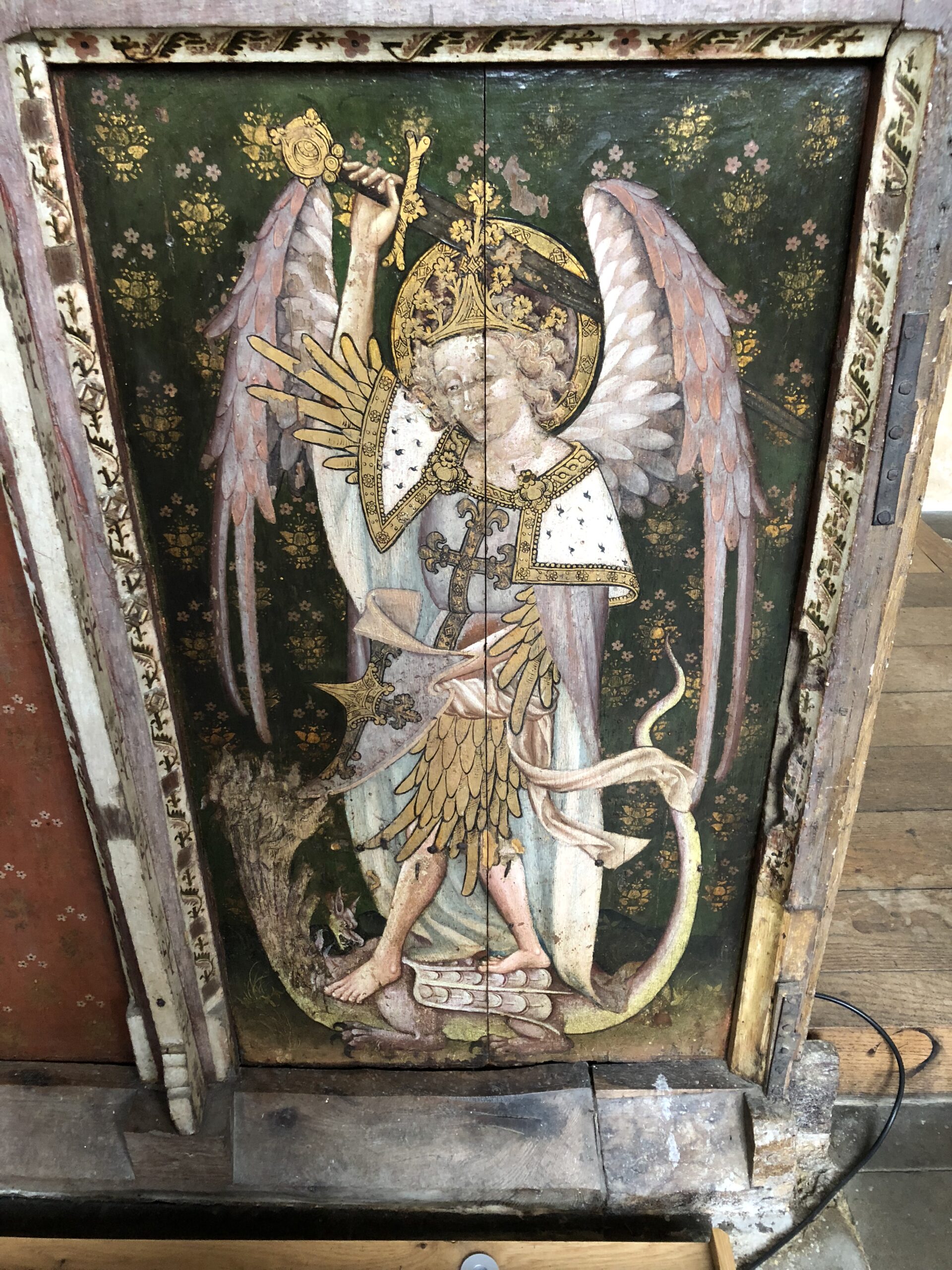
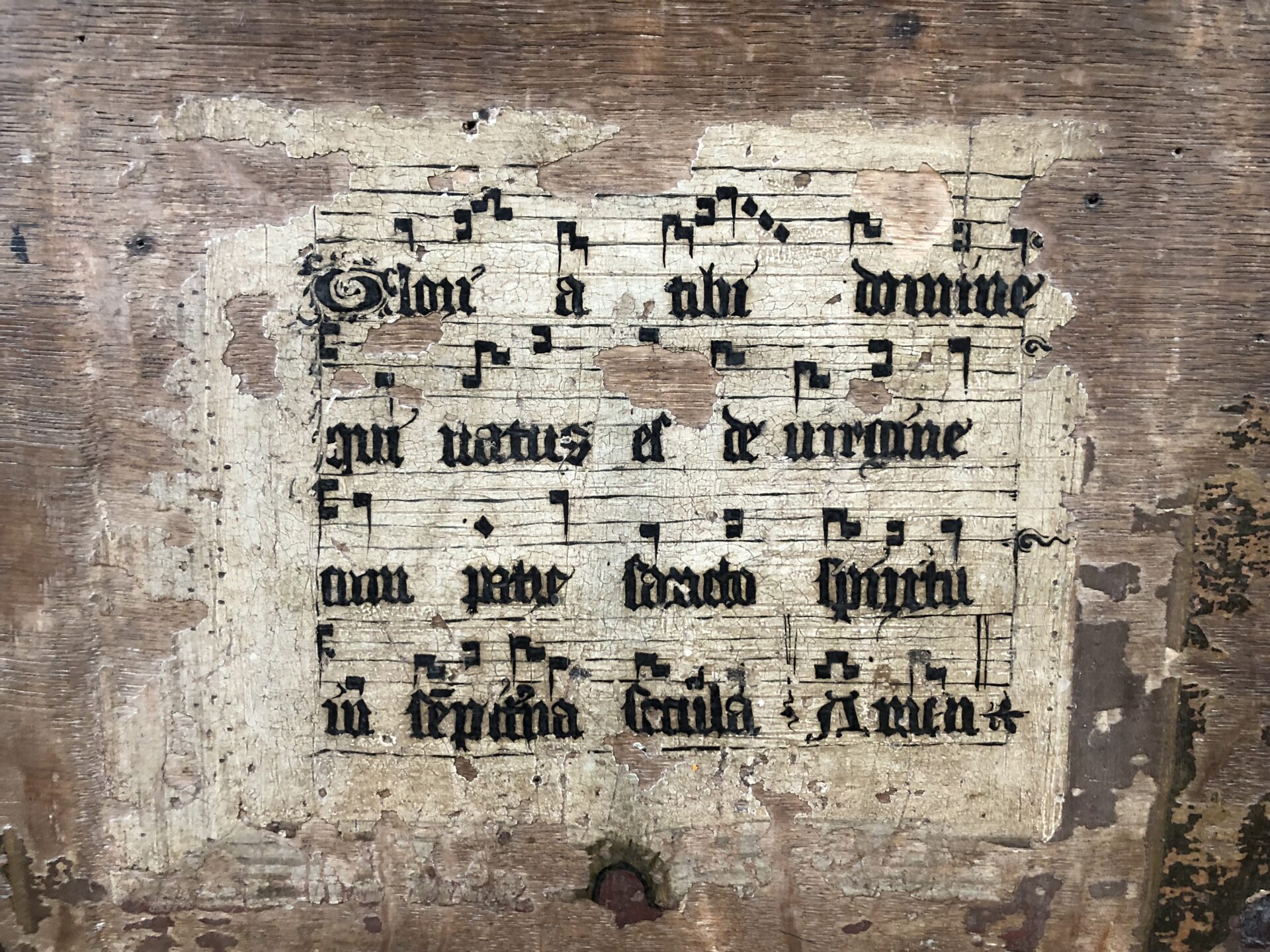
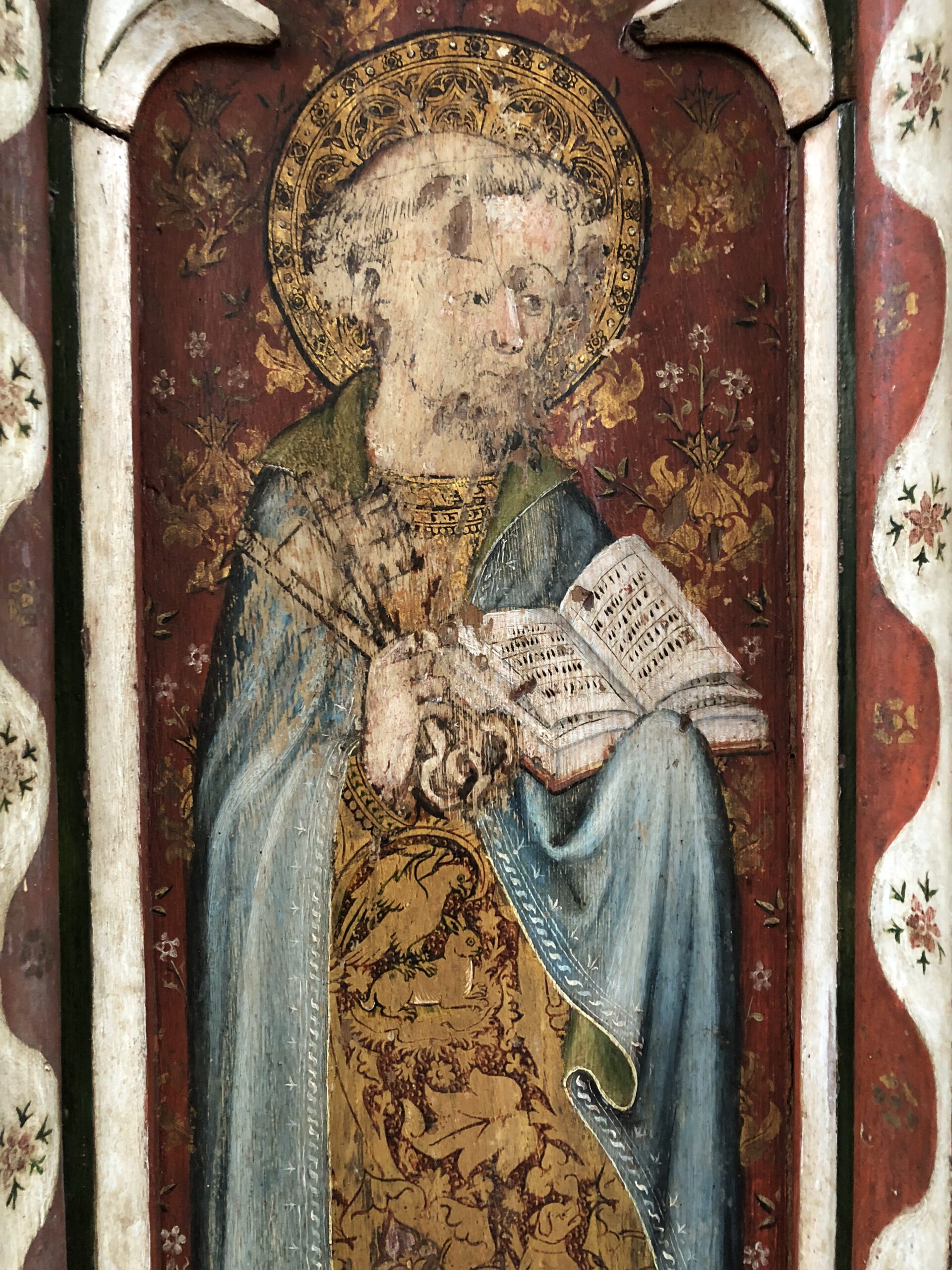
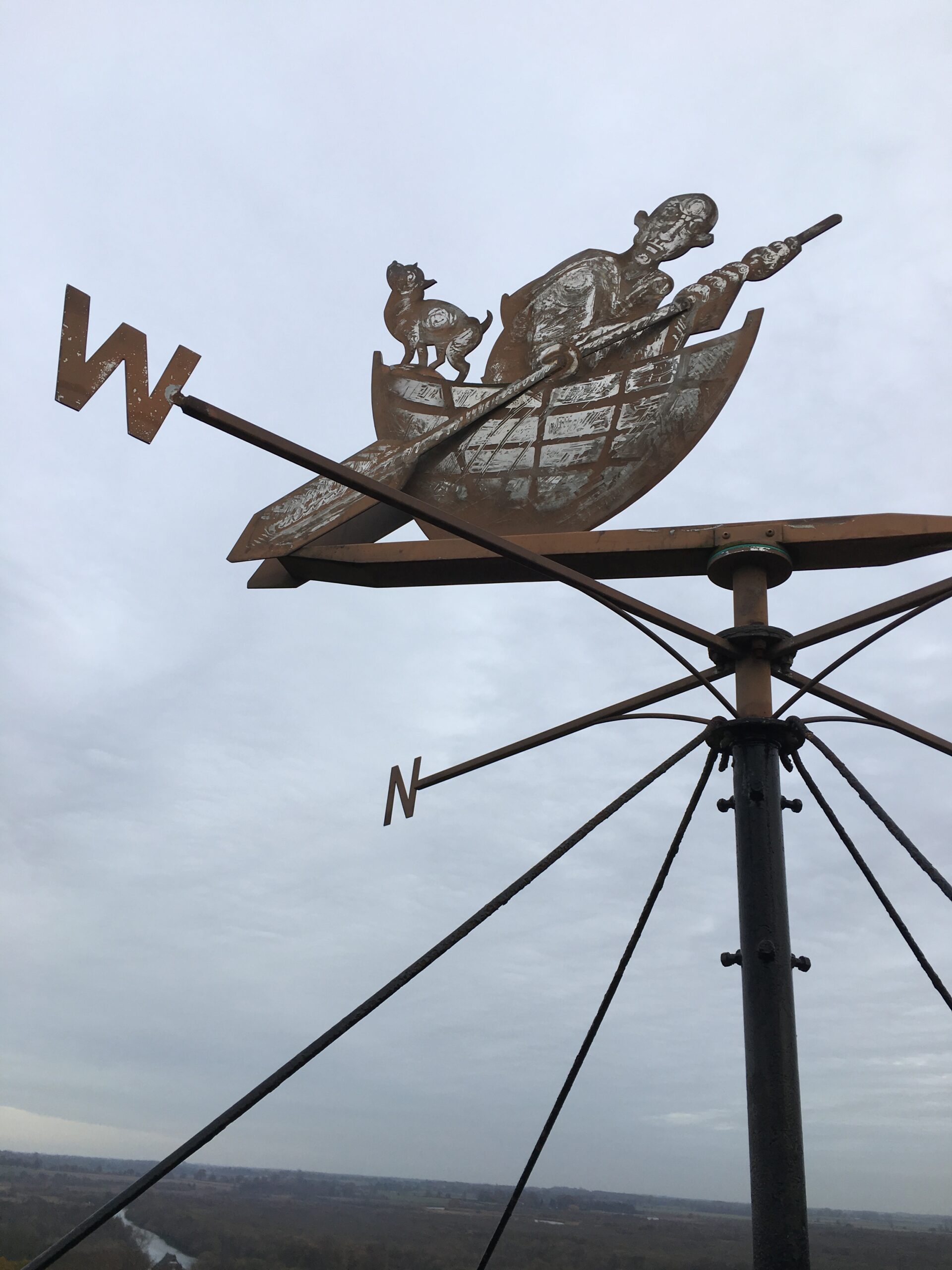
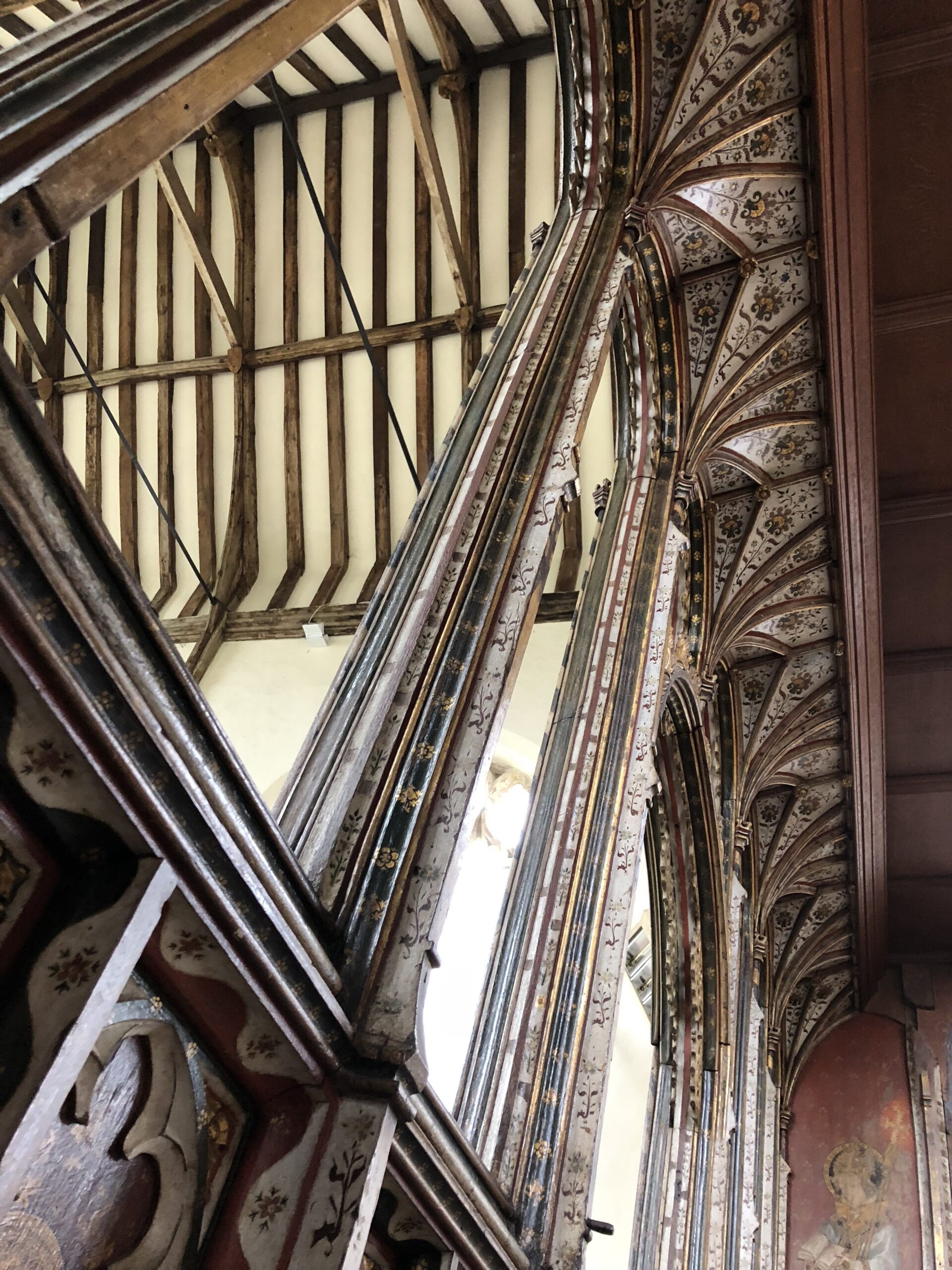
St Helen’s Church is known as the Cathedral of the Broads. The Antiphoner is of great interest. It is a beautifully illuminated service book containing the words and music for the Divine Office (the daily cycle of devotions). The book was donated to the church in the 15th century but was banned from use in the 16th century. Passing through the hands of several private owners, the Antiphoner reappeared in a London bookshop and was returned to St Helen’s Church in 1912. The church is famous for its 15th century rood screen, which the Society of Antiquities has described as the best in the country. On the central screen, either side of the chancel arch, are portraits of the Twelve Apostles. Other figures include the Archangel Michael wearing a regal feathered garment, St Etheldreda, St Barbara, St Thomas Becket and St Lawrence. Parcloses project at right angles to the screen to define the two side chapels. Look closely at the exquisite detail and delicate brushwork. The screen survived the iconoclasm during the English Reformation. The pulpit is thought to be Elizabethan, with linenfold carving. Don’t miss the misericords in the chancel. These hinged seats offered support to clergy standing during the eight daily services. The four 15th century misericords may have come from St Benet’s Abbey. Visitors may climb the tower for a spectacular view over the Broads. On a clear day the lighthouse at Happisburgh can be spotted. The tower is almost 100 feet tall and accessed by a narrow winding stone staircase and two ladders that lead past the bells and up to the trap door. The Visitor Centre next to St Helen’s Church offers light refreshments and is open Monday -Thursday 10.30am – 4.30pm, Easter to end of October. Saturday and Sunday 2pm -5pm January to end of November.
St Peter & St Paul’s Church, East Harling

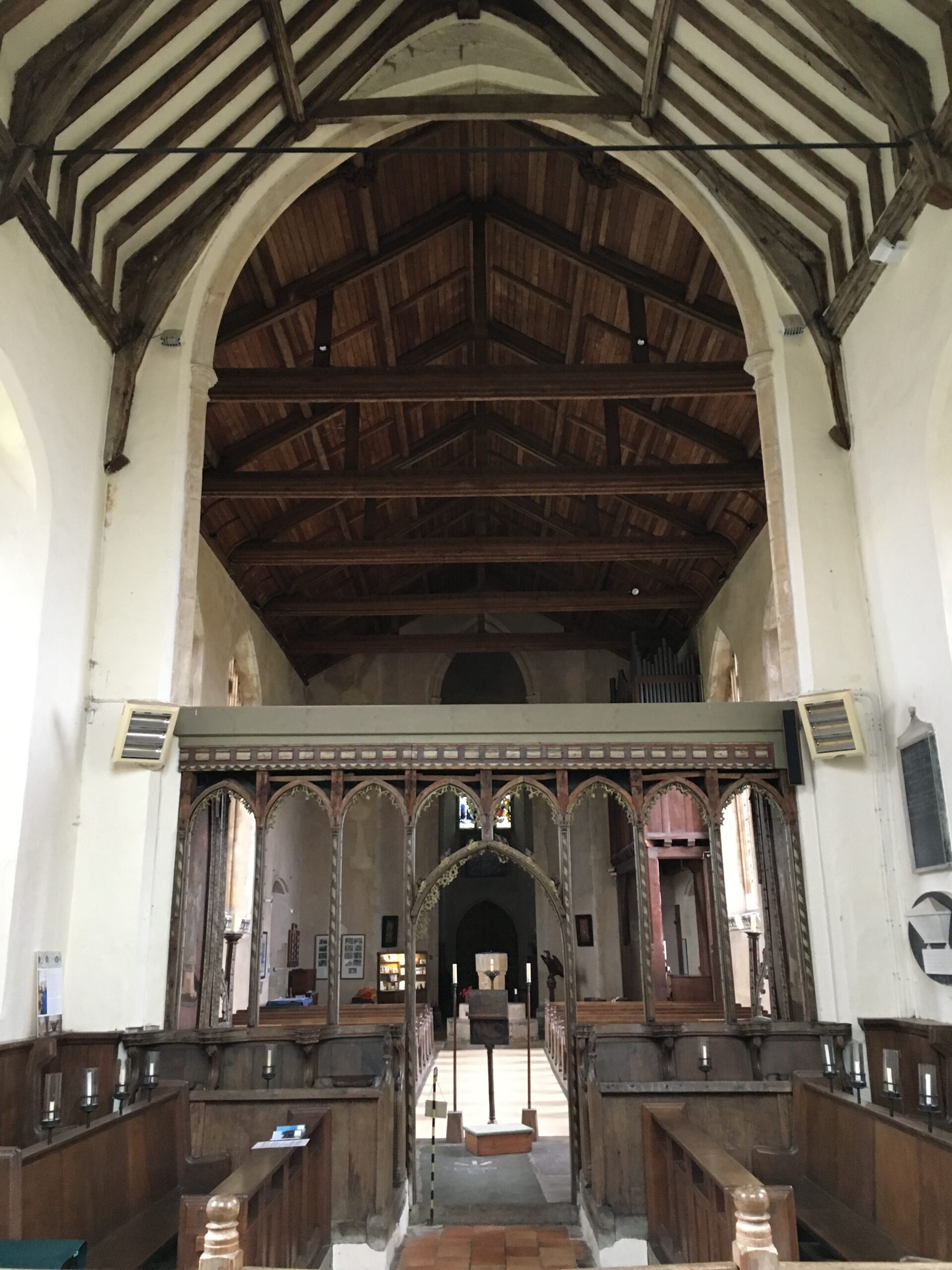
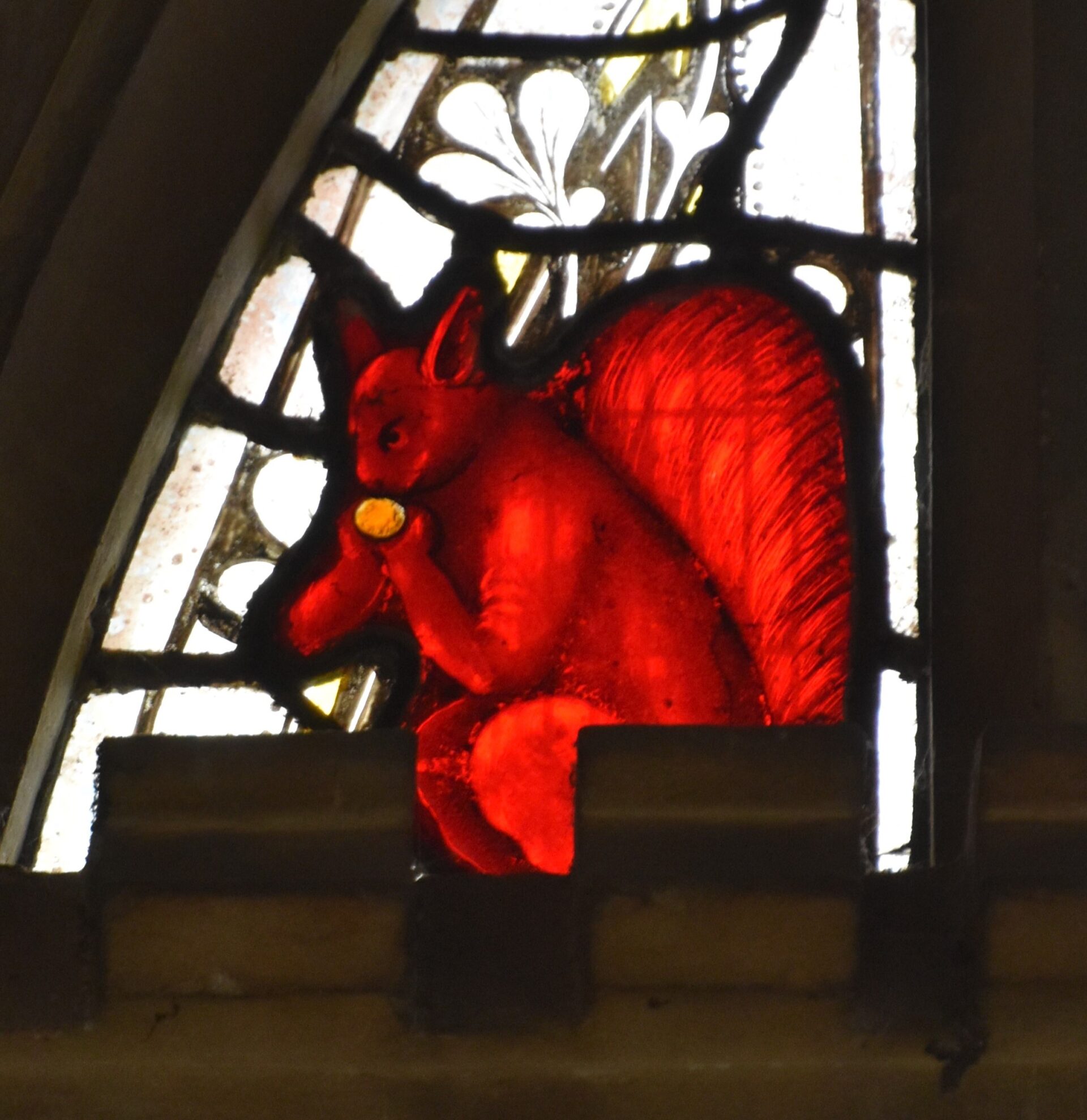
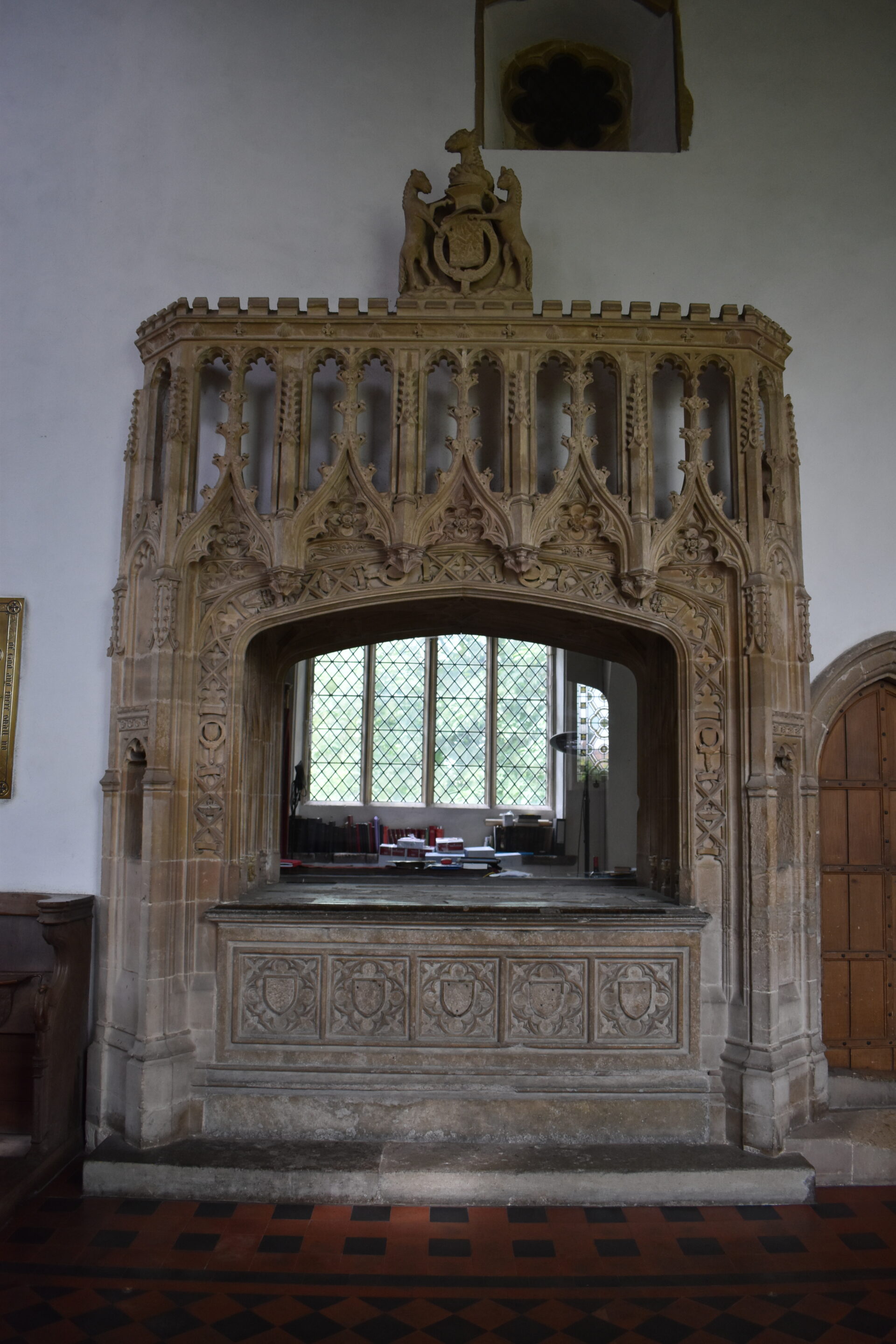
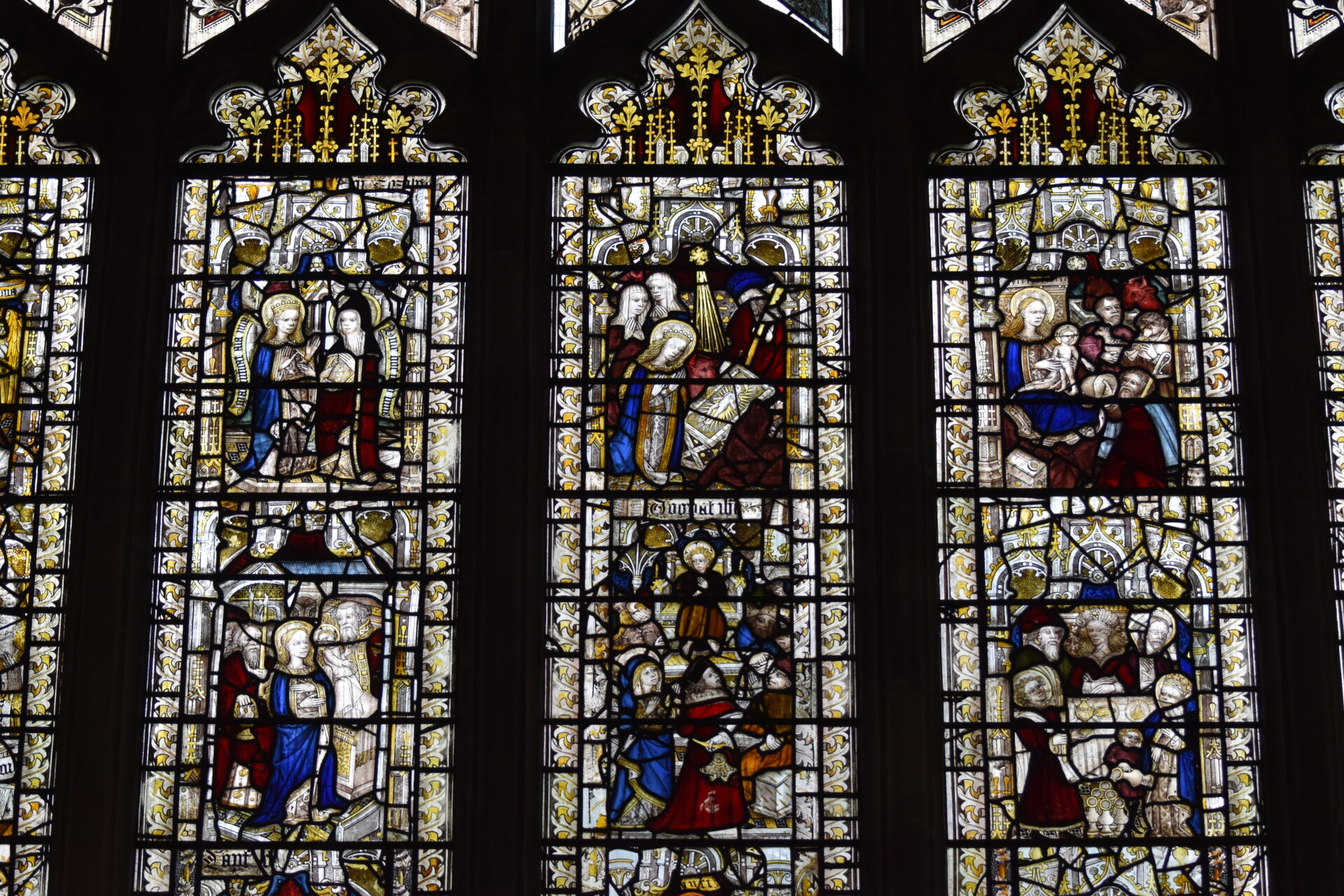
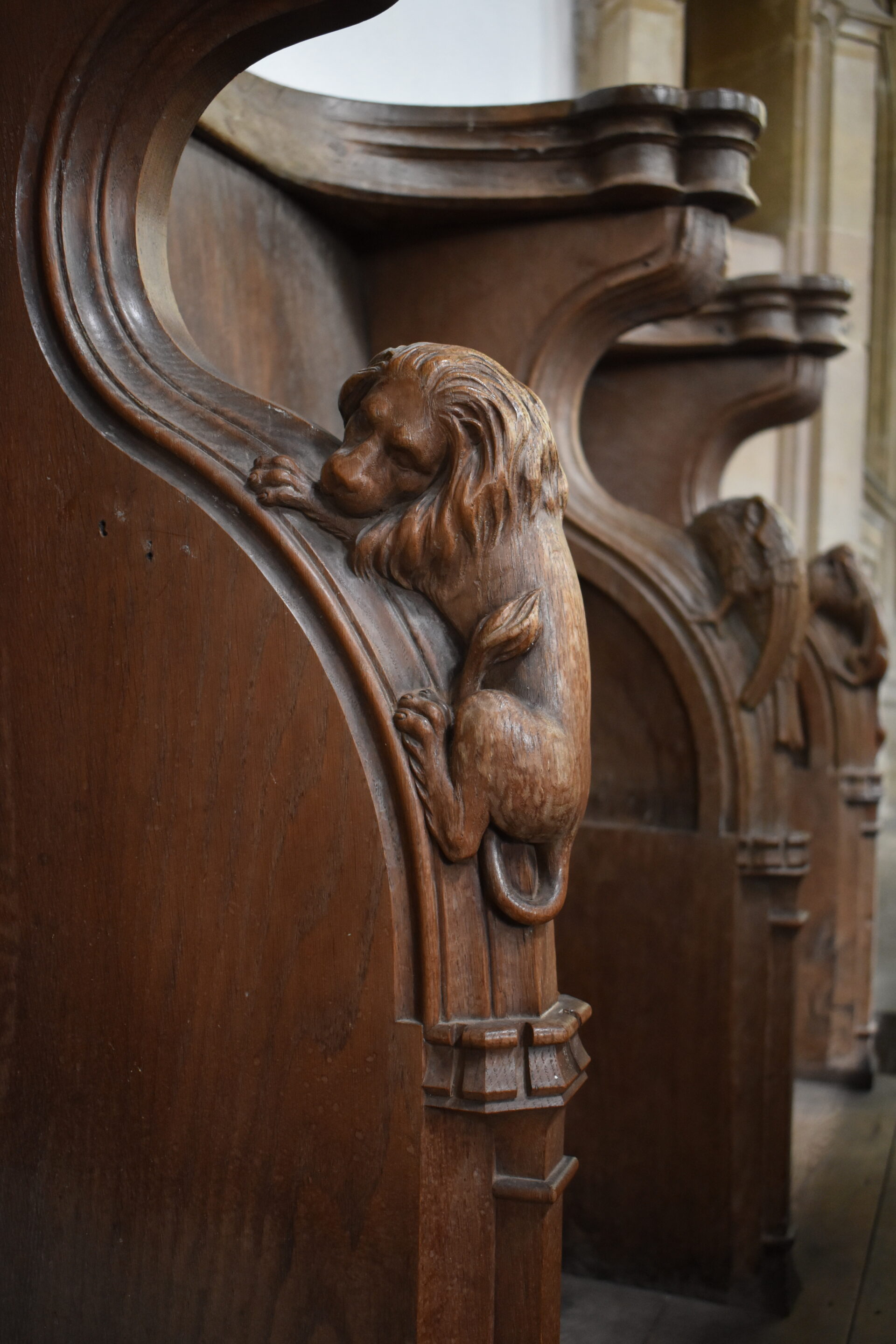
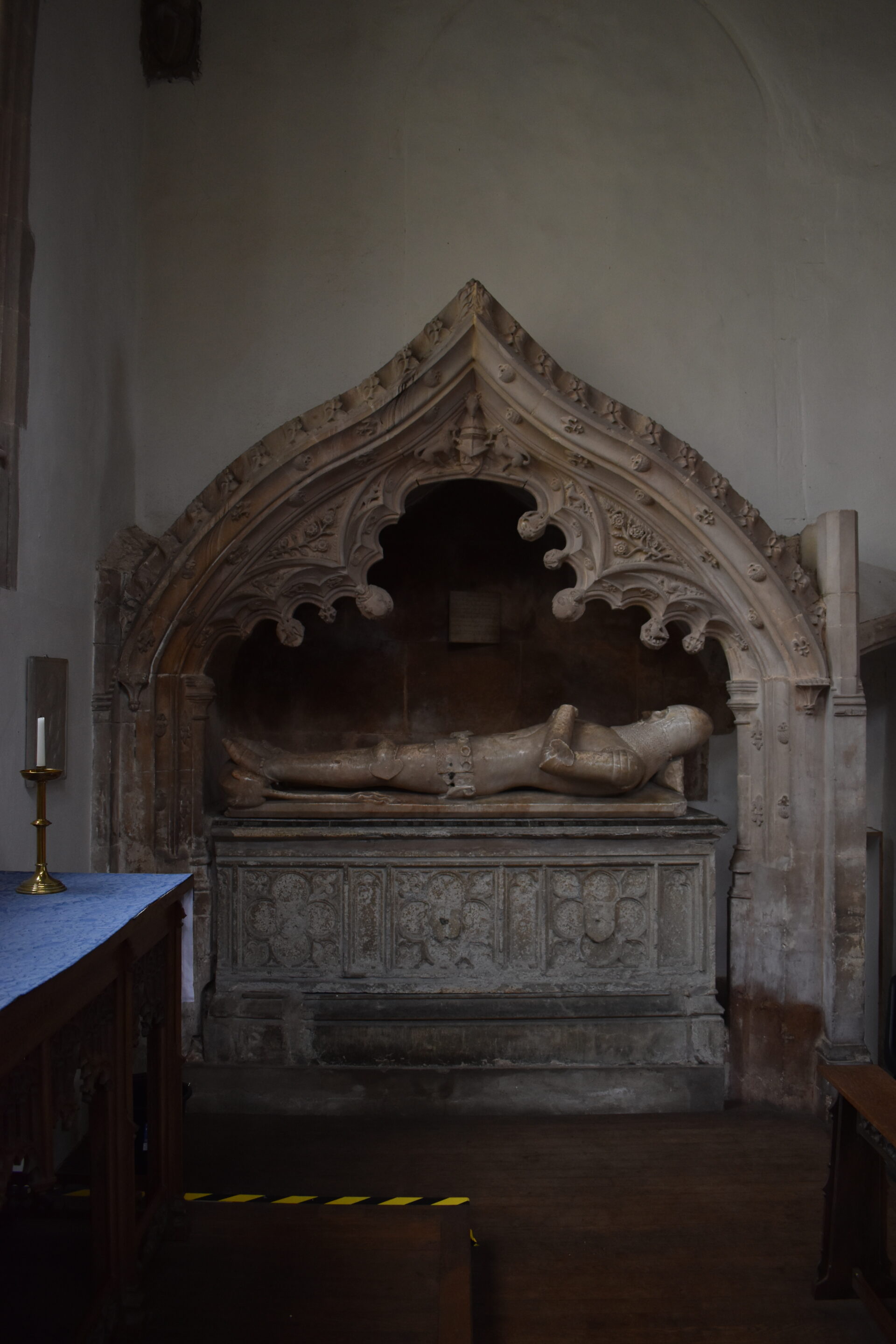
Commanding a prominent position next to the River Thet, St Peter & St Paul’s Church is truly one of the finest in Norfolk. The church is brimming with interest. Lovers of architecture, craftsmanship, monuments and medieval glass will find much to delight and fascinate them. The lower stages of the tower date to the 14th century. Gaze up at the 15th century battlements and you will notice symbols of the Harling family and figures between the pinnacles. A small spire rises from flying buttresses which, it is said, provided the inspiration for the spire of St Peter Mancroft in Norwich. The church was largely rebuilt in the early 15th century. Eighteen clerestory windows pierce the space above their larger nave counterparts. In 1840 the porch was rebuilt. Step through the 14th century doorway into a bright, lofty space encased by a grand hammer-beam roof. More symbols of the Harling family adorn the the south aisle spandrels in the form of bulls, unicorns and frails (a rush basket used by workmen). The south aisle chapel is enclosed by a 15th century screen to the west and an earlier parclose screen to the north. Marvel at the tomb of Sir Robert Harling and his wife. The brass states ‘His fame flourished well known amongst many of its natives of France – at length mangled by force of arms he died at Paris in 1435.’ The other tomb is that of Sir Thomas Lovell (d. 1604) and his wife. Try to work out what is being held up at the feet of Mrs Lovell – a Saracen’s scalp. Anne Harling and her first husband lie under the lavish 15th century tomb in the north wall of the chancel. The effigies have been lost but the elaborate stonework has survived. Anne and her first two husbands were responsible for the rebuilding of the church, including the reglazing. The east window is a vast kaleidoscope of medieval glass. It was brought back to the church in 1736 having been hidden away in the manor house before the Civil War and was once again removed temporarily during the Second World War. Biblical scenes abound. Anne’s first two husbands are depicted in the lower corners. Spot the red squirrel in the top left corner, a symbol of the Lovell family which also appears on the memorials in the chancel. It features in Hans Holbein’s painting A Lady with a Squirrel and a Starling, thought to be of Anne Lovell. The starling represents the manor of East Harling. Bring your binoculars!

Great Yarmouth Minster

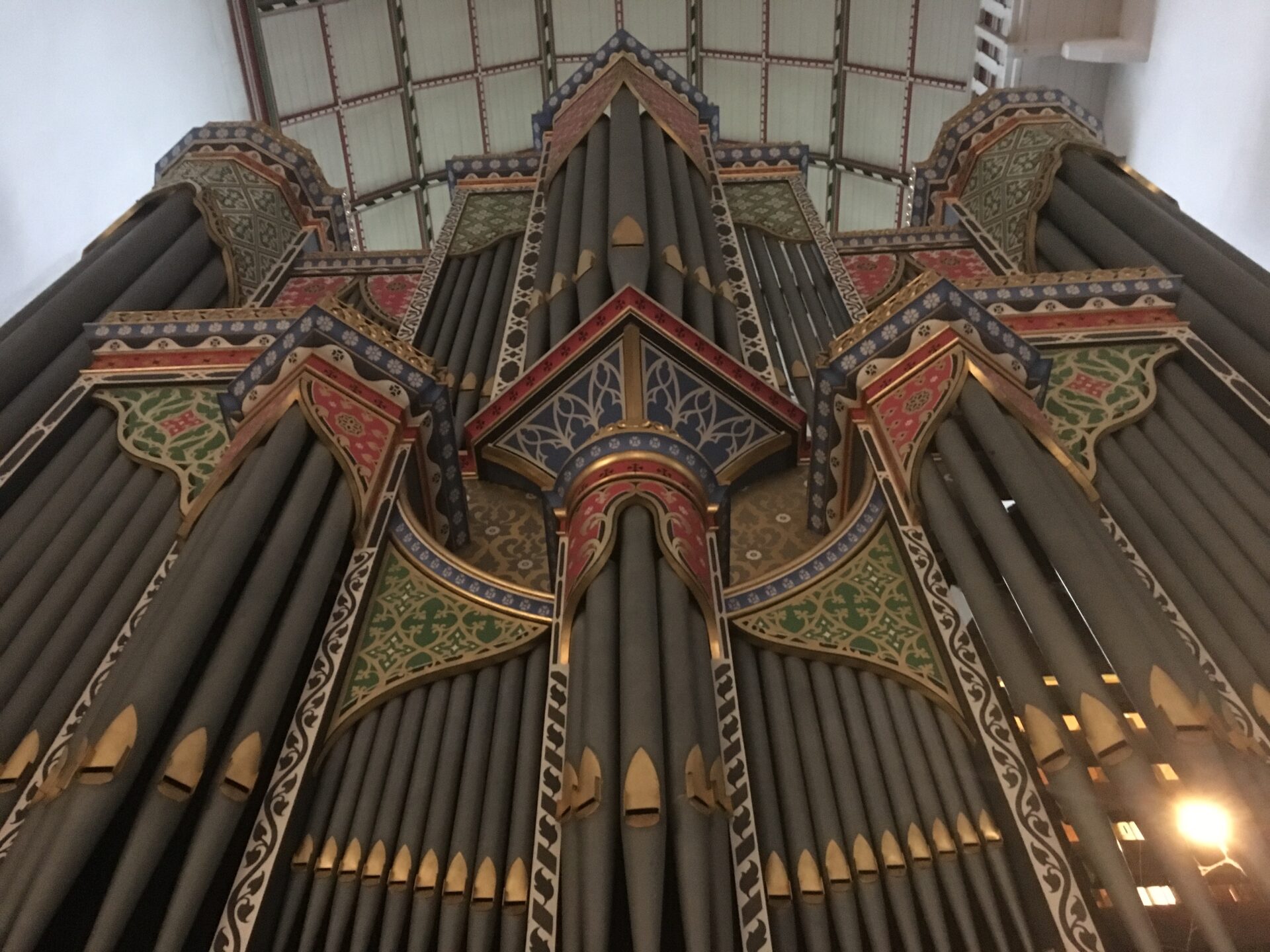
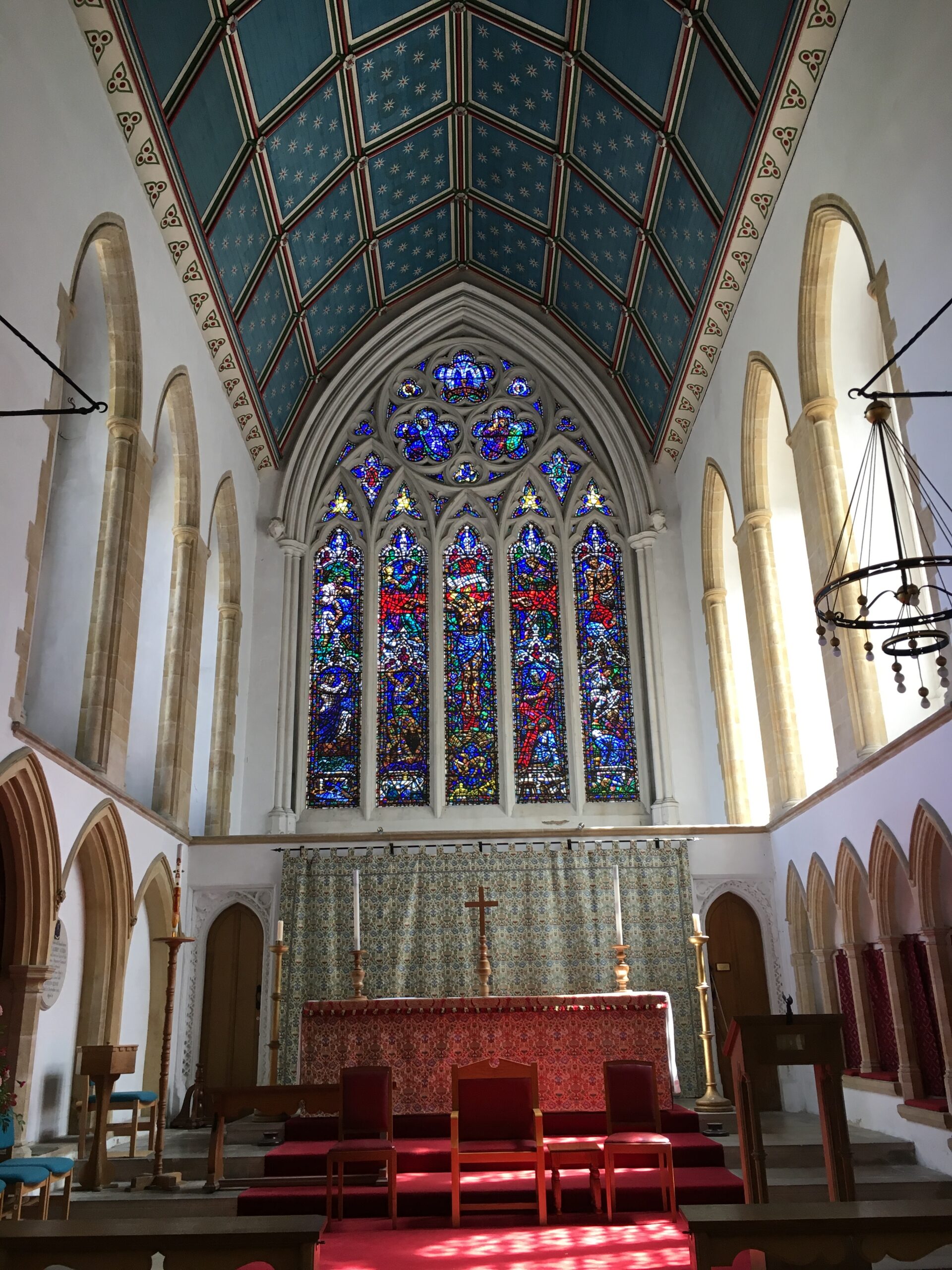
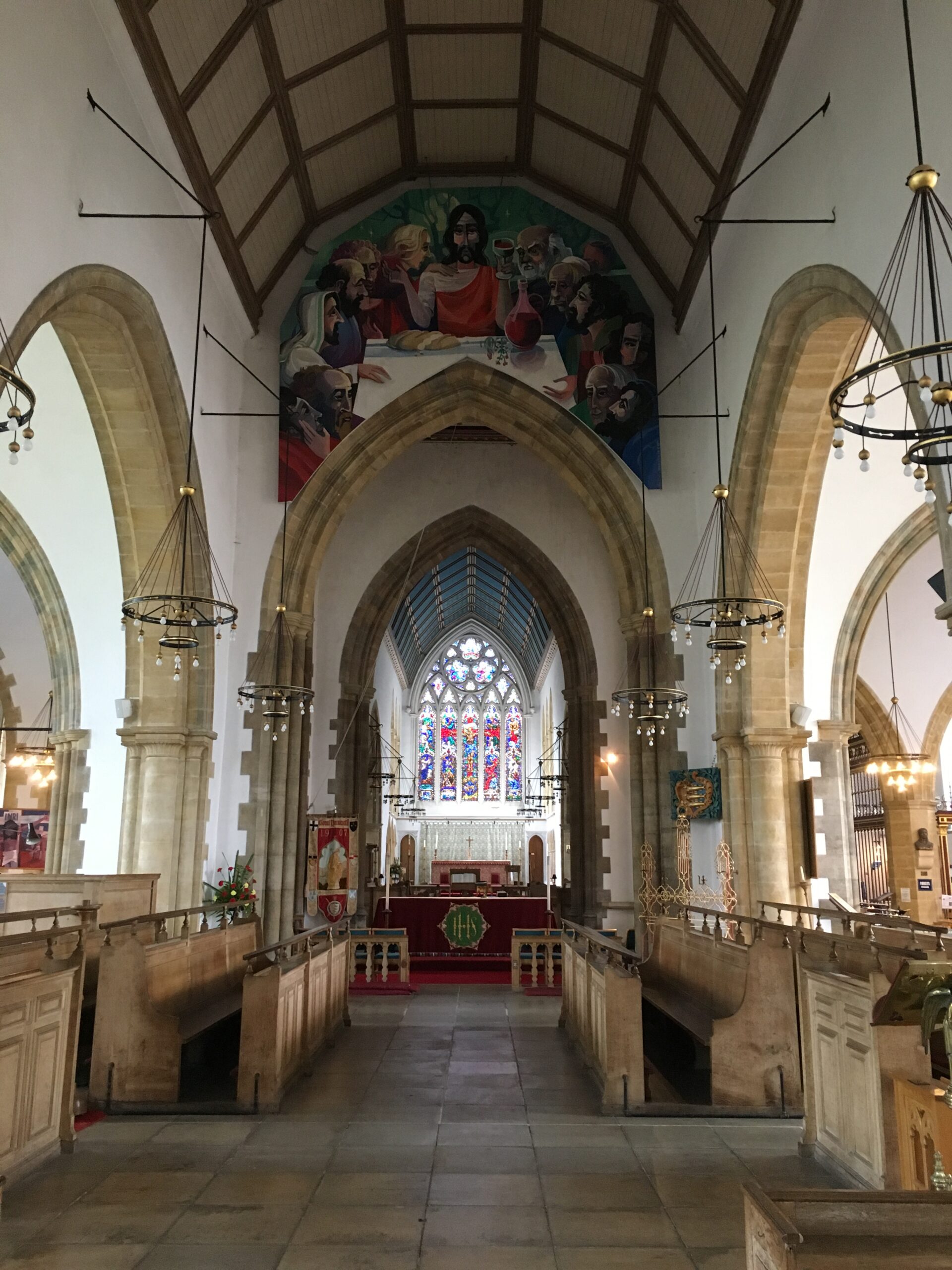
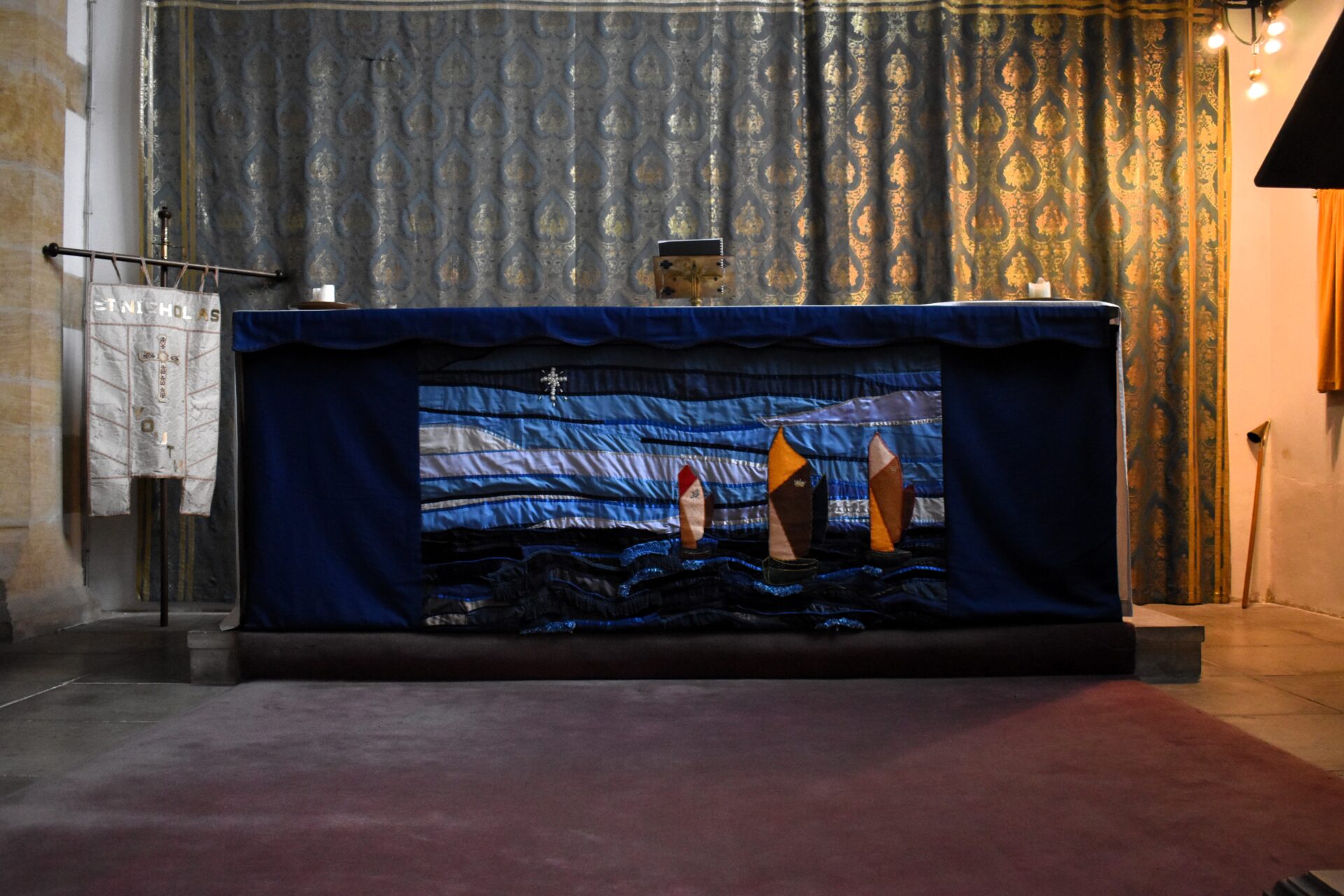
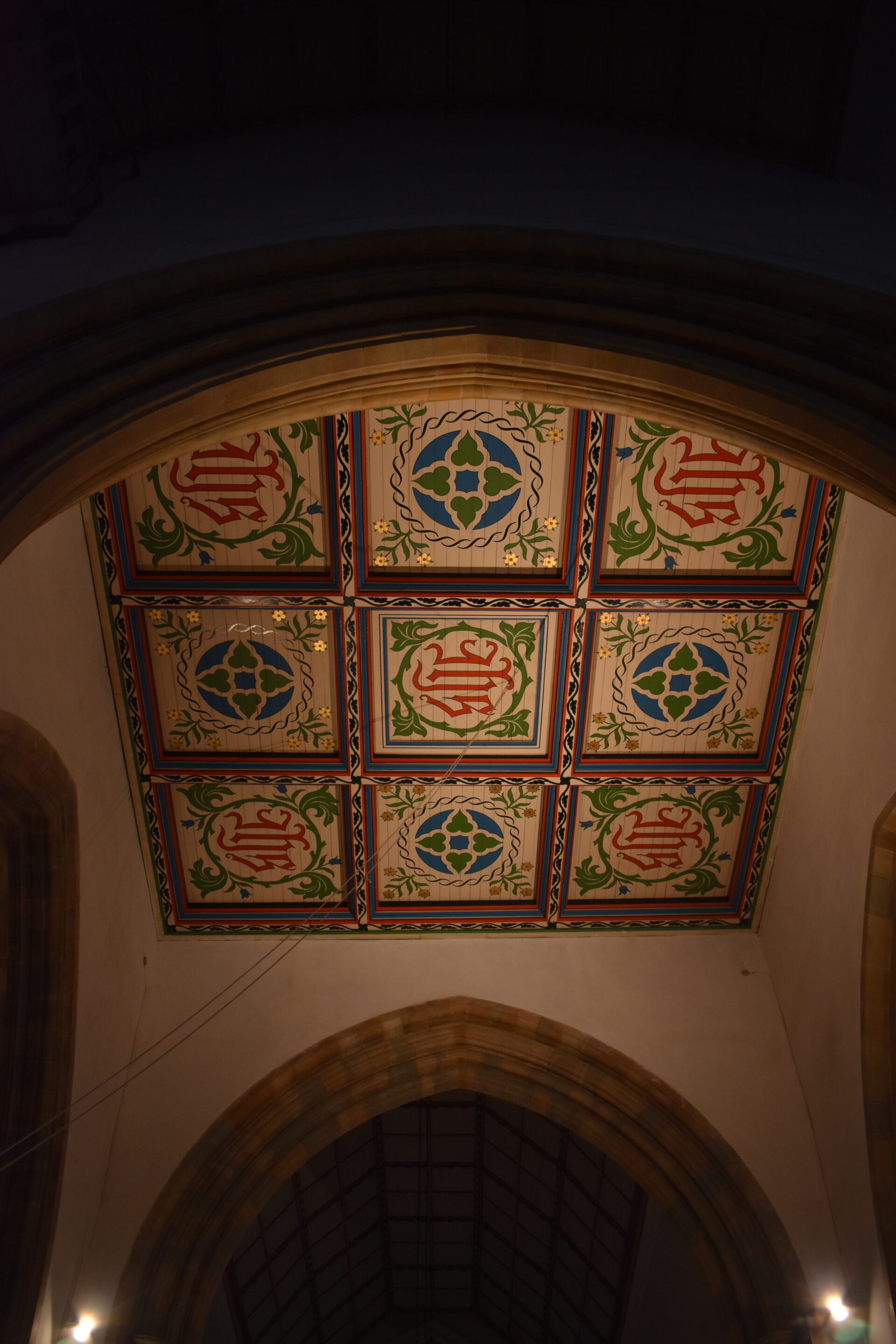
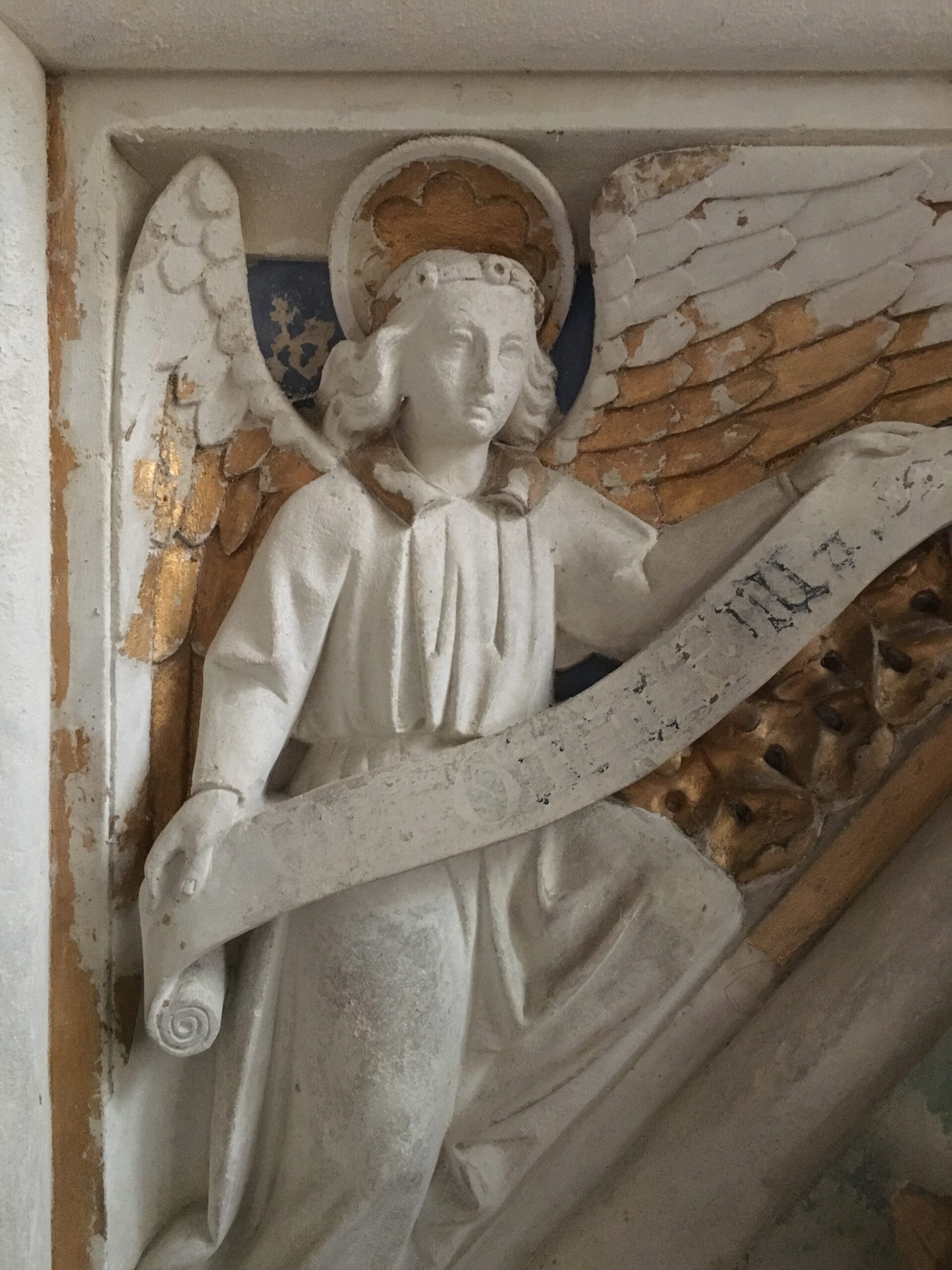
Great Yarmouth Minster is said to be the largest parish church in the country in terms of floor area. With the cornerstone laid in 1101, the Minster is likely to be Great Yarmouth’s oldest building in continuous use. In 1942 the church was completely gutted during a German air raid leaving only the Norman tower and the walls standing. The stonework of the tower became so hot that it released its minerals, changing colour. The church was rebuilt by the architect Stephen Dykes Bower who created a wonderful light building in his own take on Victorian Gothic architecture. It has a beautiful set of stained glass windows depicting Christ’s life from the Annunciation to the Ascension by Brian Thomas. The painted reredos was formerly in St Peter’s Church, Great Yarmouth. There is also the famous Coleman window and the organ casing. There are now striking modern paintings by John Dashwood. St Nicholas’ was designated a Minster Church by the Bishop of Norwich in 2011 to reflect its importance as a major church of regional significance which contributes greatly to the local community it serves.
St Mary’s Church, West Tofts

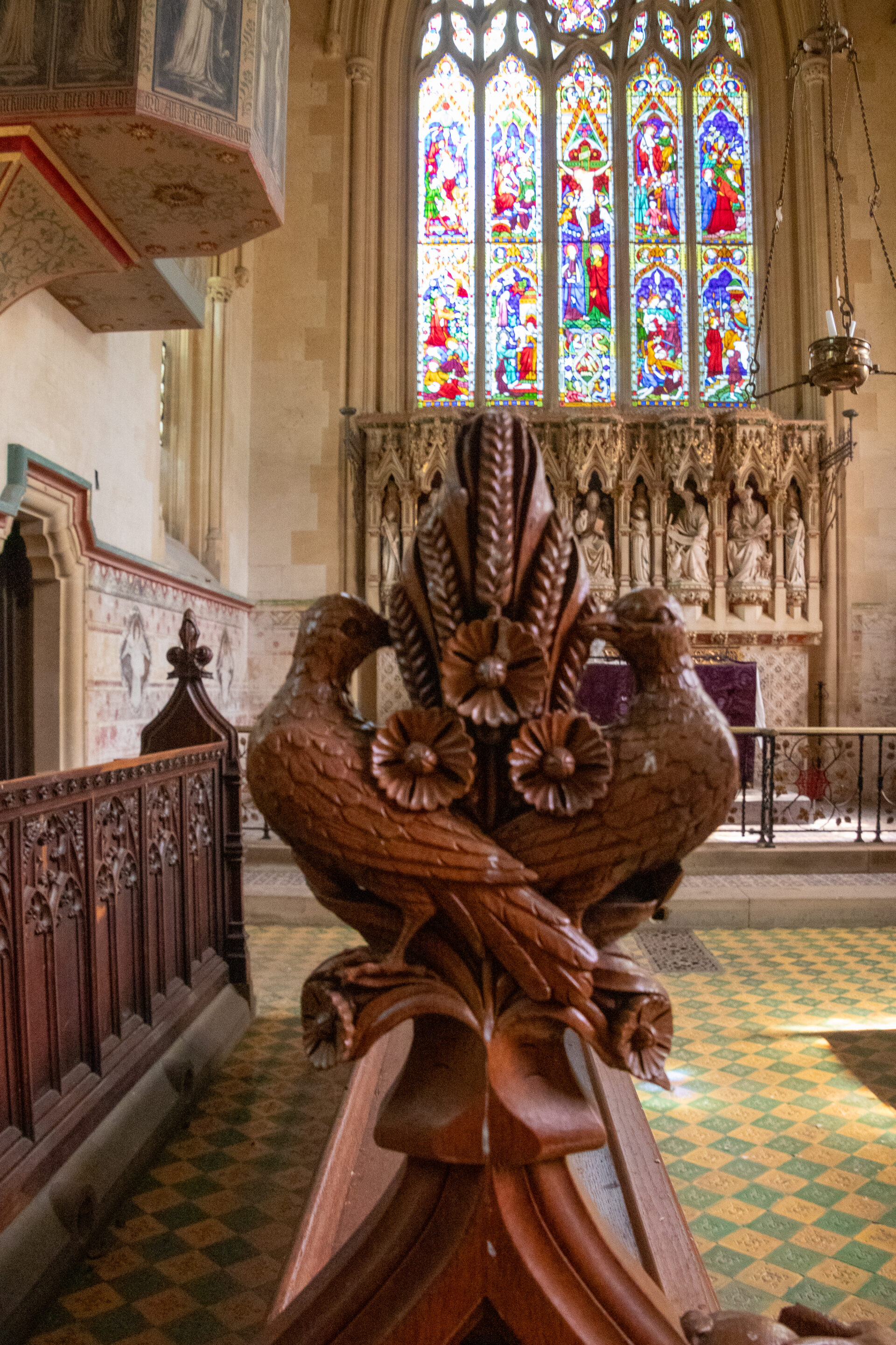
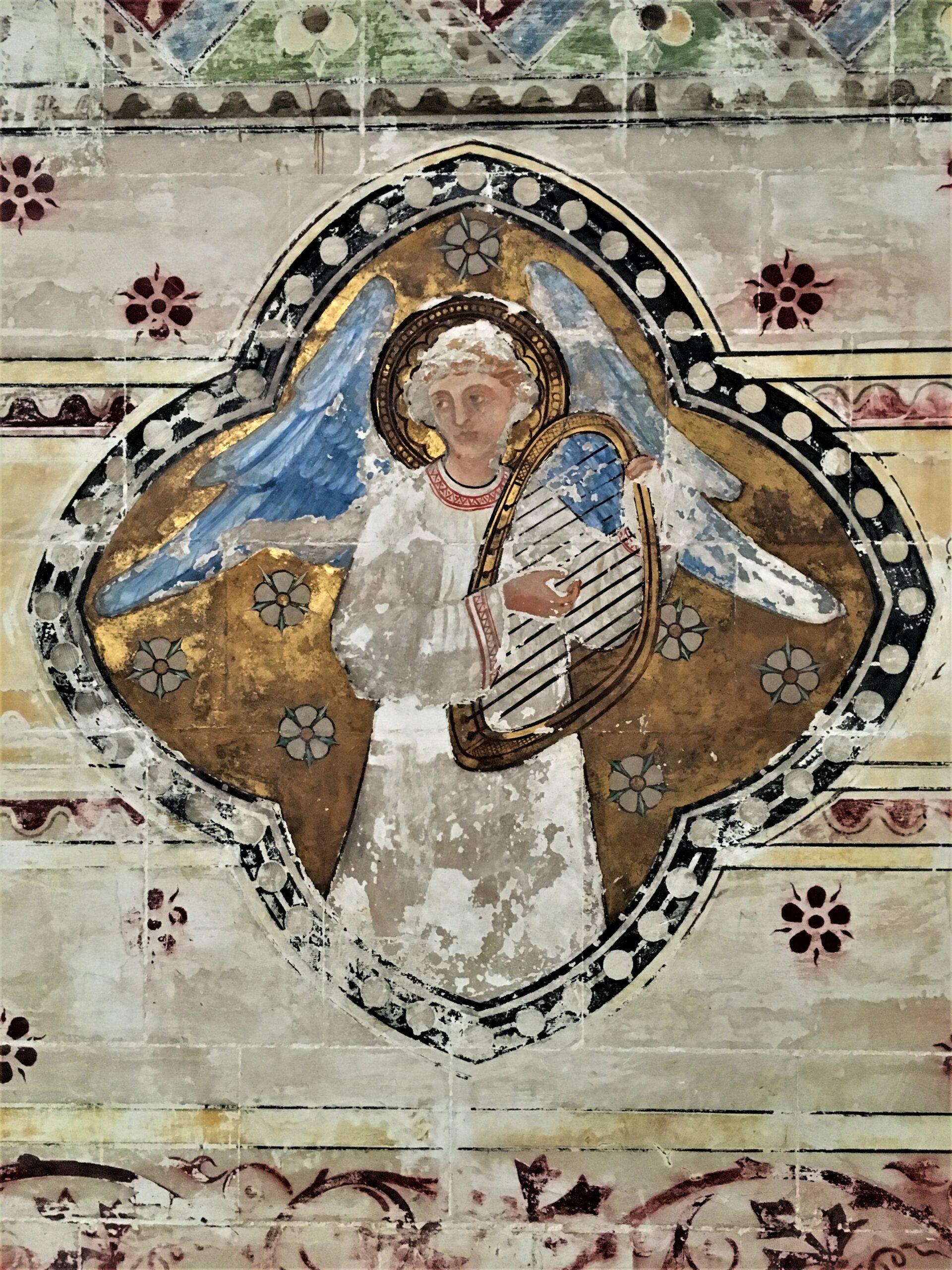
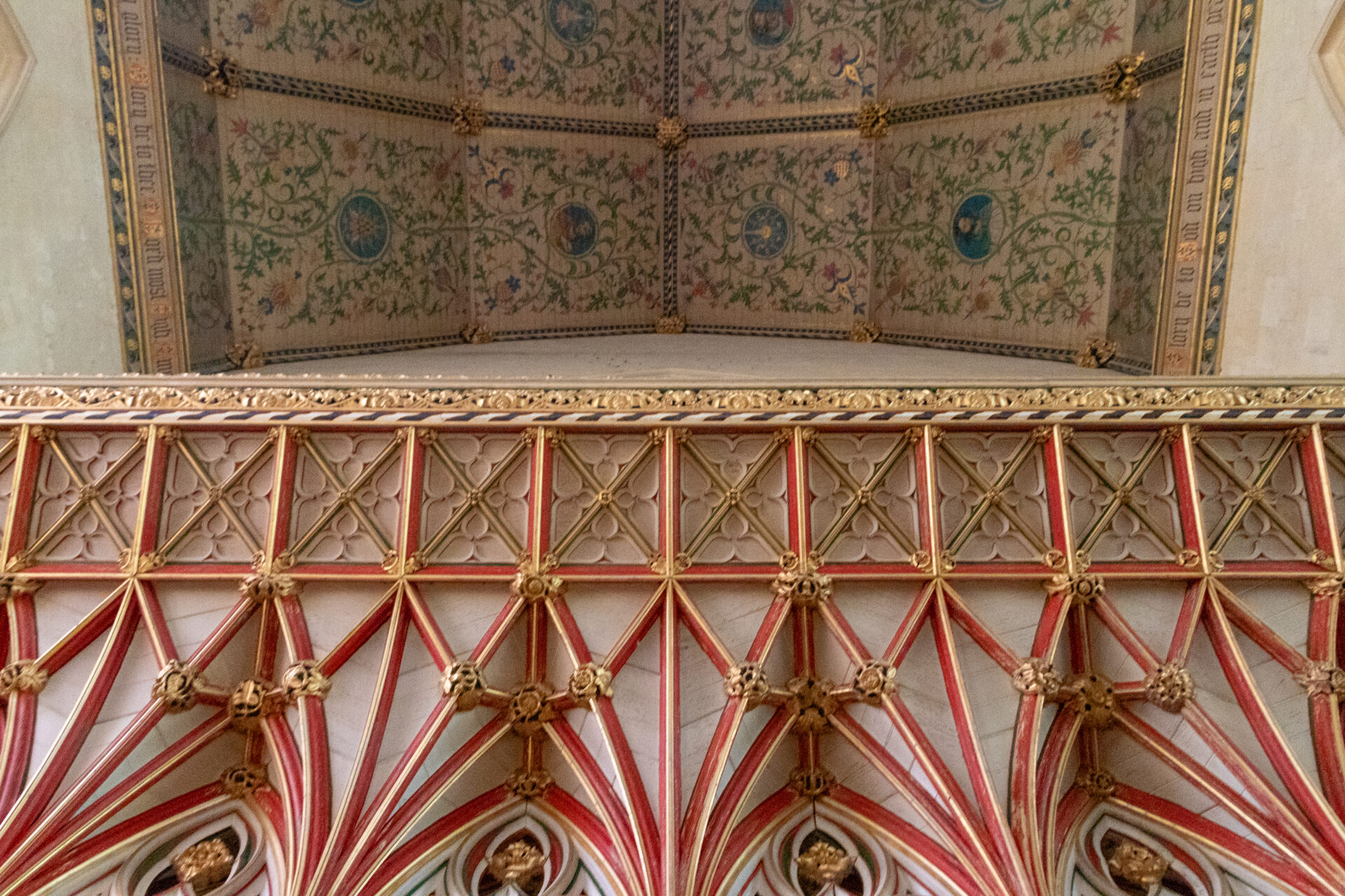
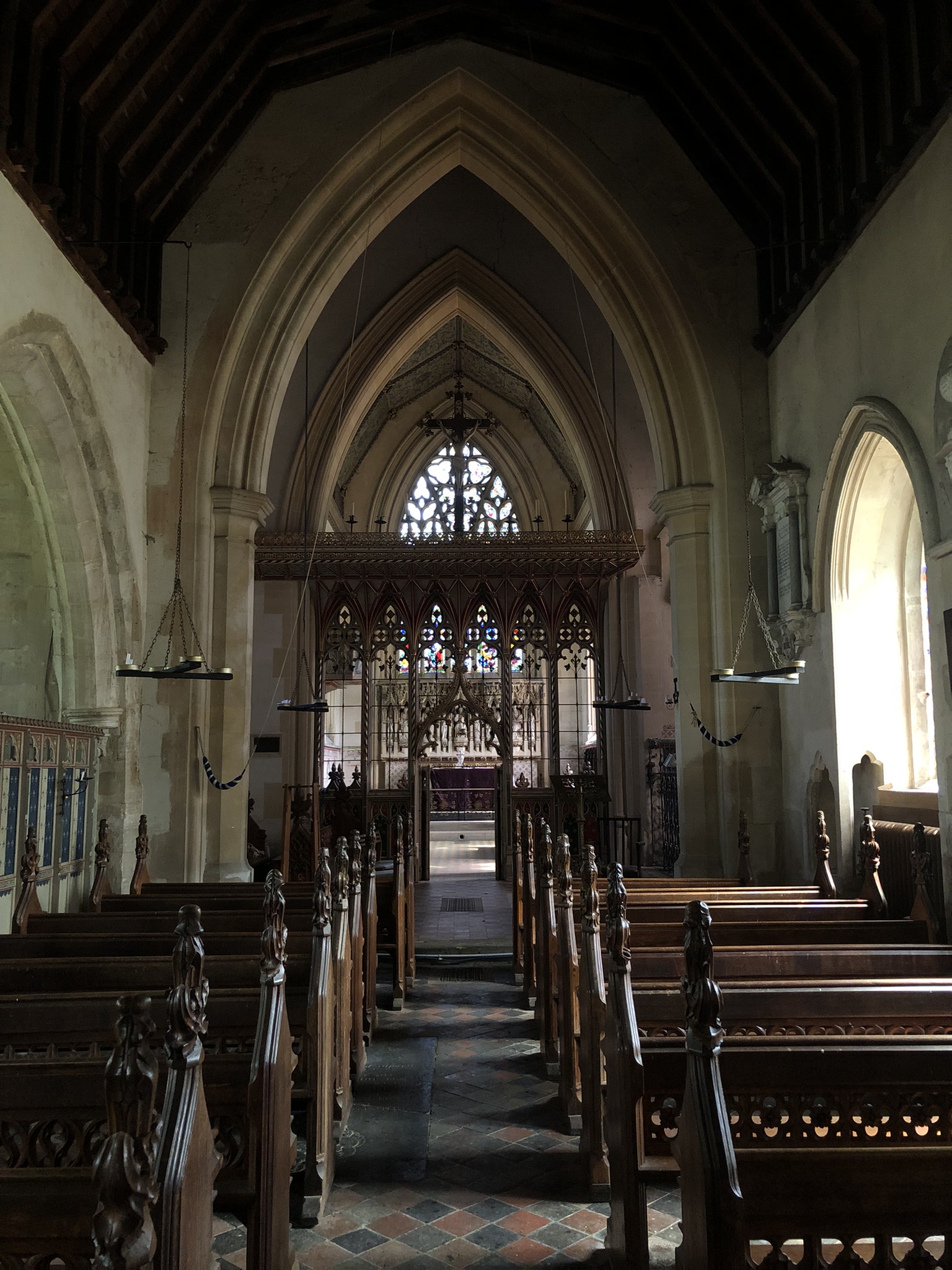
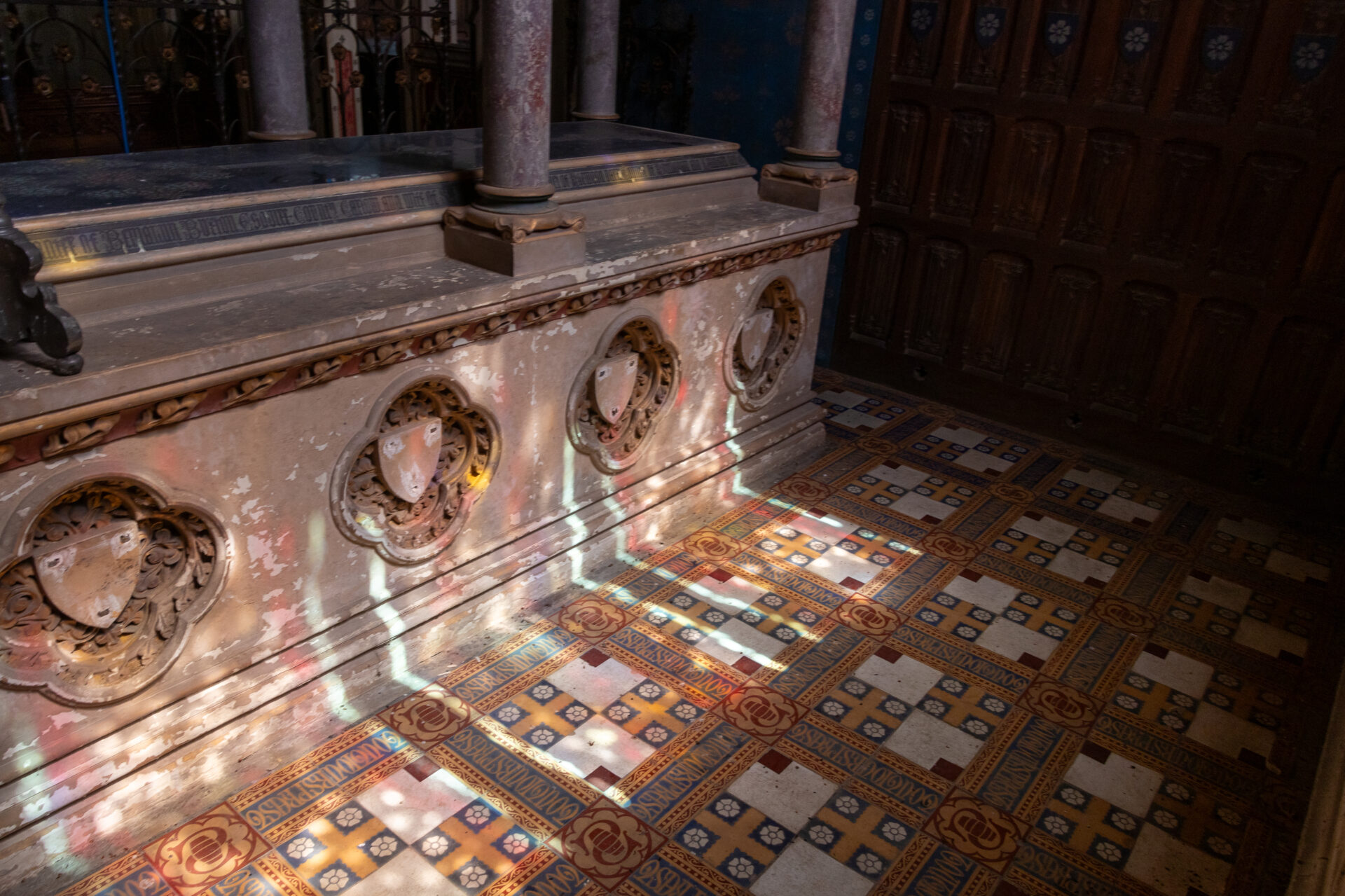
St Mary’s Church is located on the MoD’s STANTA base and access is highly restricted. The villages of West Tofts, Stanford, Langford and Tuttington became deserted when the area was requisitioned in 1942. The church is of great interest and is one of the most noteworthy of its kind in the country – a medieval church having been partly rebuilt by the ‘Morning Star’ of the Gothic Revival, A.W.N. Pugin. It displays some of the finest 19th century architecture in East Anglia. The north arcade and piers date to the early 14th century. The tower is later, in the Perpendicular style. Around the base-course, inscribed in stone, is a very rare catalogue of the names of the people who funded its construction, ‘the begyners of the werk’. Revd Augustus Sutton became the incumbent in 1849. He was the son of Sir Richard Sutton, one of the wealthiest landowners in England at the time. Pugin drew up plans for an extensive restoration which included the rebuilding of the north aisle as a Sutton family burial chapel, the creation of a larger chancel, a south porch, and the addition of pinnacles, a spire (removed in 1930), stained glass and new bells. No expense was spared. The highly skilled workmen had experience on Pugin’s projects at Catholic cathedrals and the Houses of Parliament. Even with the absence of most of the furnishings, which found homes in other Norfolk churches, the opulence of the interior is breathtaking. The beautiful parclose screen, in the East Anglian style of the 15th century, displays the Sutton motto ‘Tout Jours Prest’ (always be ready). The most remarkable feature of the church is the Sutton Chapel, an extravaganza of design and colour from the the painted ceiling to the floor tiles. The tomb is that of Mary, wife of Sir Richard Sutton, and their infant son. The tomb has a canopy with crocketted gables, supported by trefoil arches on marble pillars. The magnificent reredos is made of Caen stone and depicts Christ with the Evangelists.
Great Yarmouth Minster (St Nicholas), Great Yarmouth
Church Plain, Great Yarmouth, NR30 1NE


