
How Old is That Norfolk Church?
Norfolk's seven hundred churches are an architectural showcase ranging from early Anglo-Saxon to 20th century styles. Very few Anglo-Saxon and Norman churches have survived intact but many are still discernible despite extensive restorations. The county prospered in the 14th and 15th centuries which resulted in hundreds of parishes enlarging and altering existing churches in line with the latest architectural style or building a new church entirely. It became easier to transport stone and so large square towers were added to naves with beautiful clerestories and hammerbeam roofs. This article will help you to pick out the key architectural features of these works of art that we call churches.
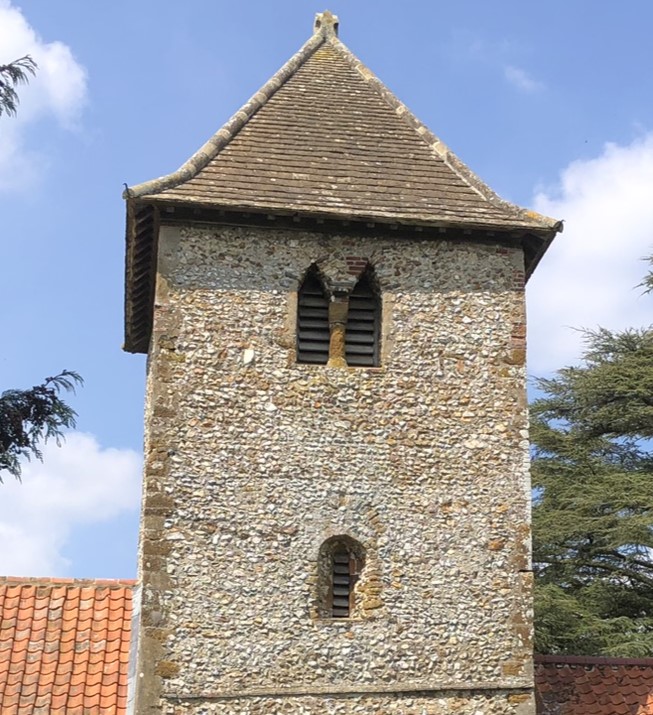
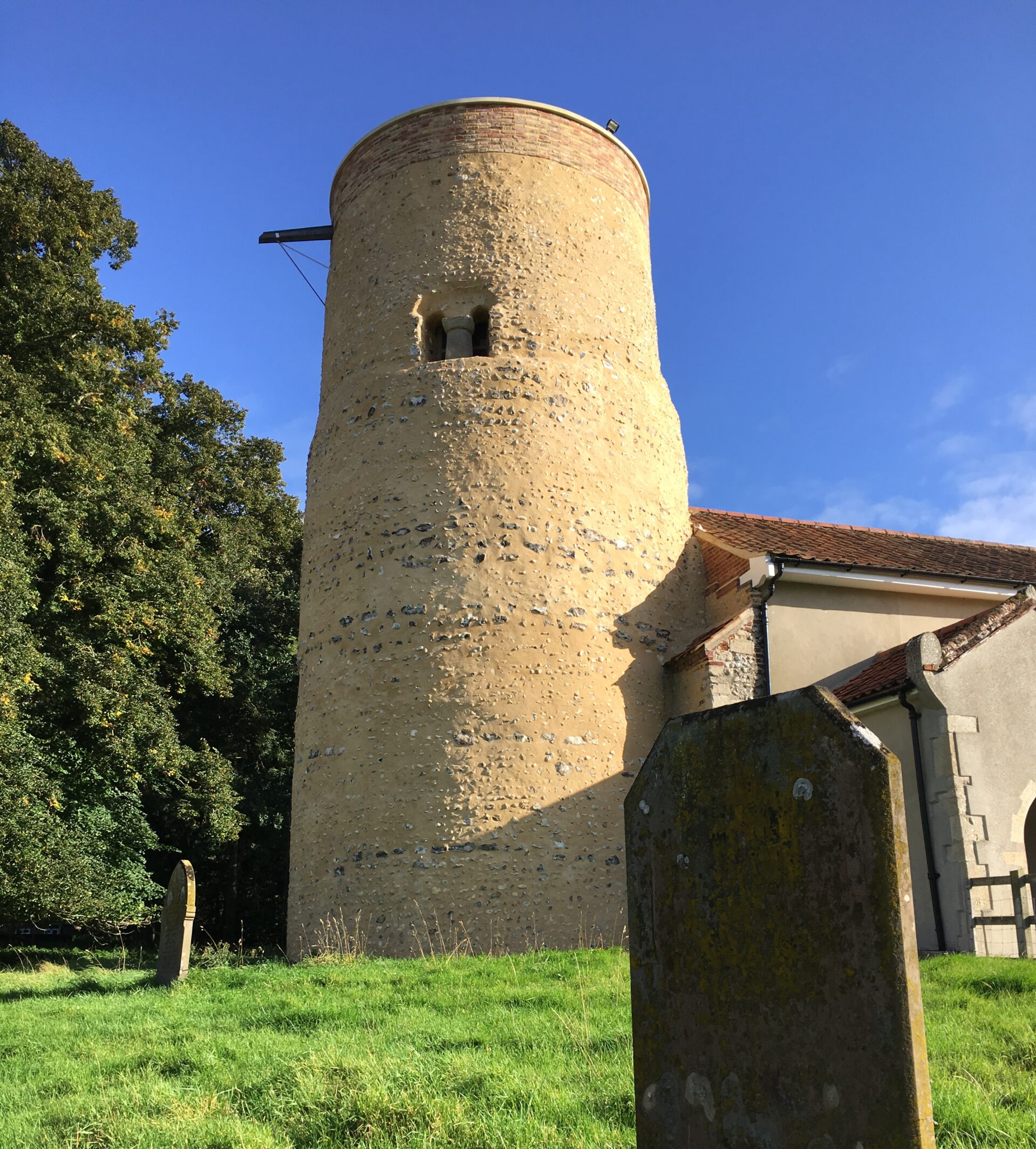
Key features of Anglo-Saxon architecture (600 – 1065)
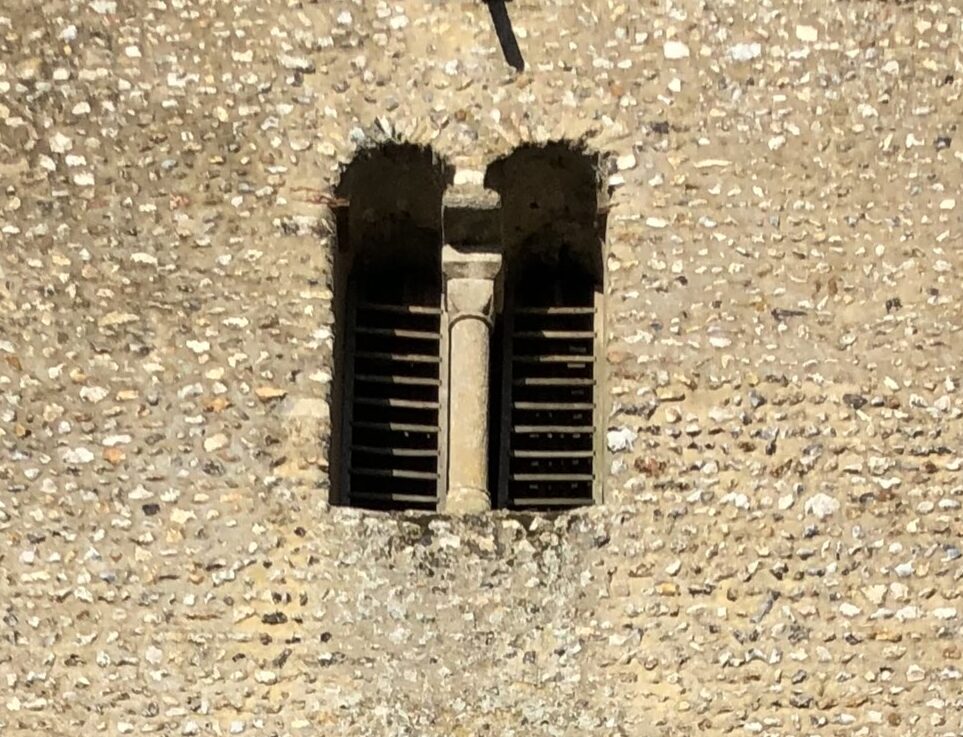
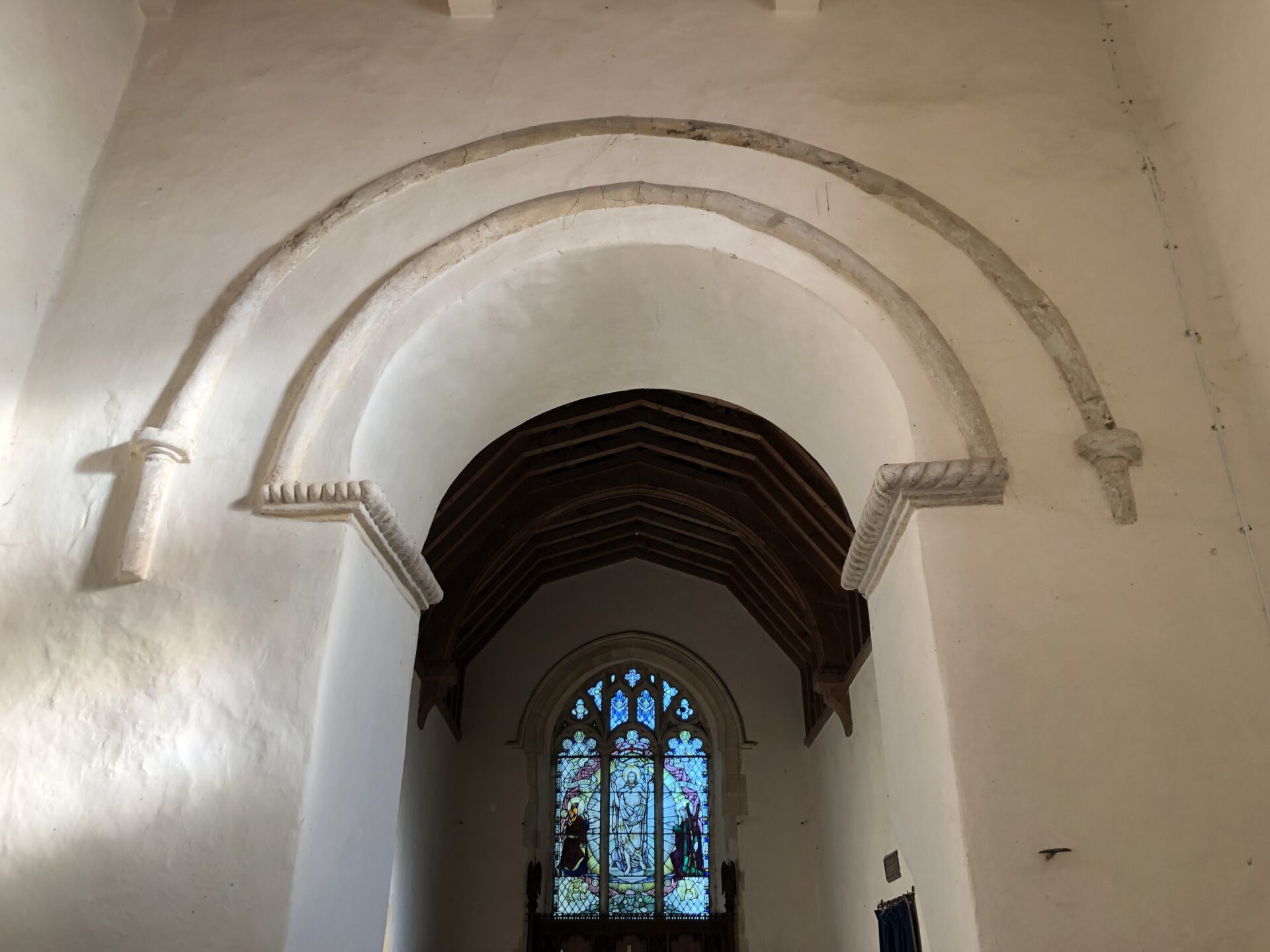
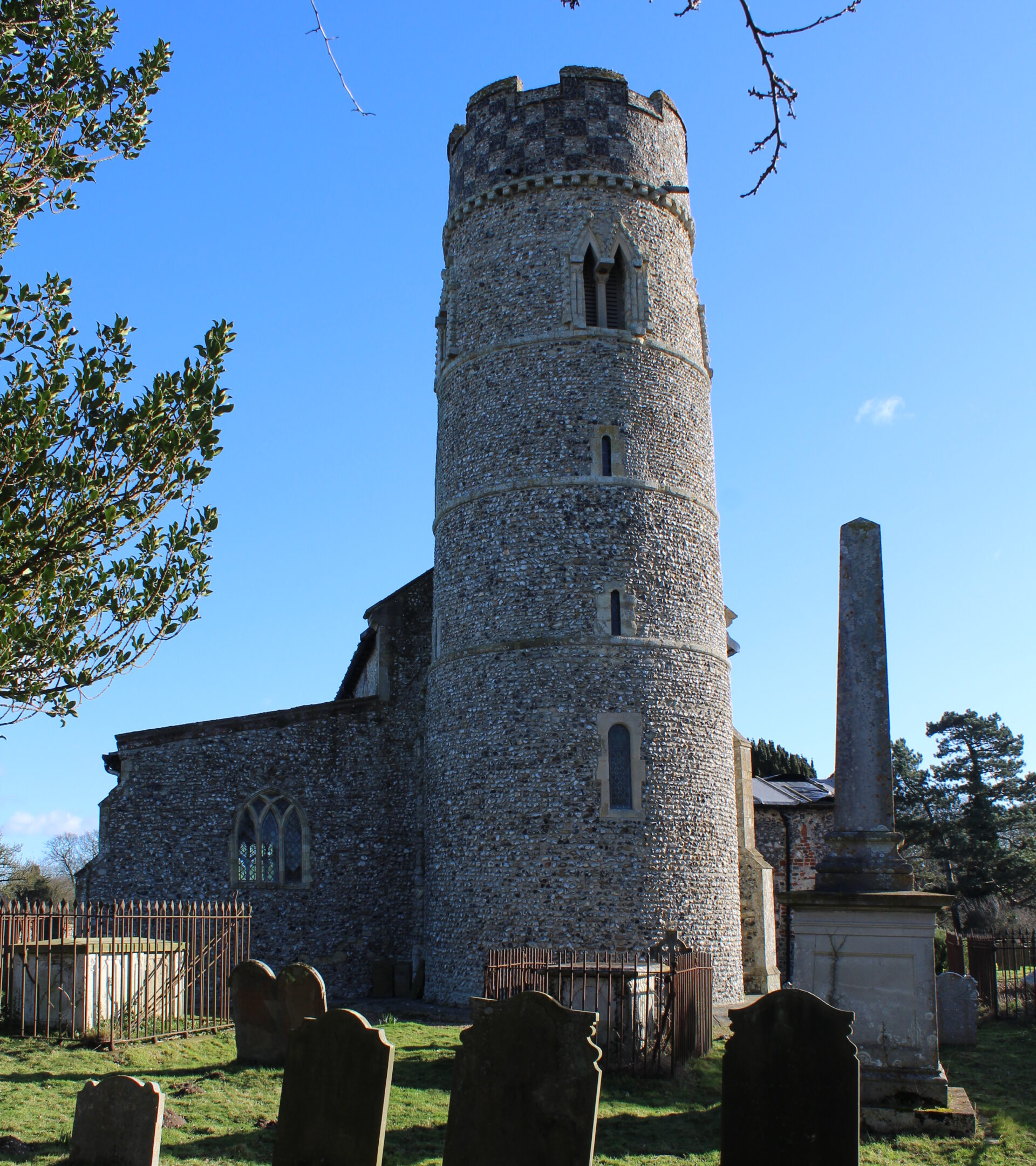
- Small triangular or round headed door and window openings (larger openings are divided with a central carved stone column or ‘baluster’)
- Deeply splayed window openings high up on the walls to keep bad weather out and to allow more light in. In the early Saxon times they had no glass
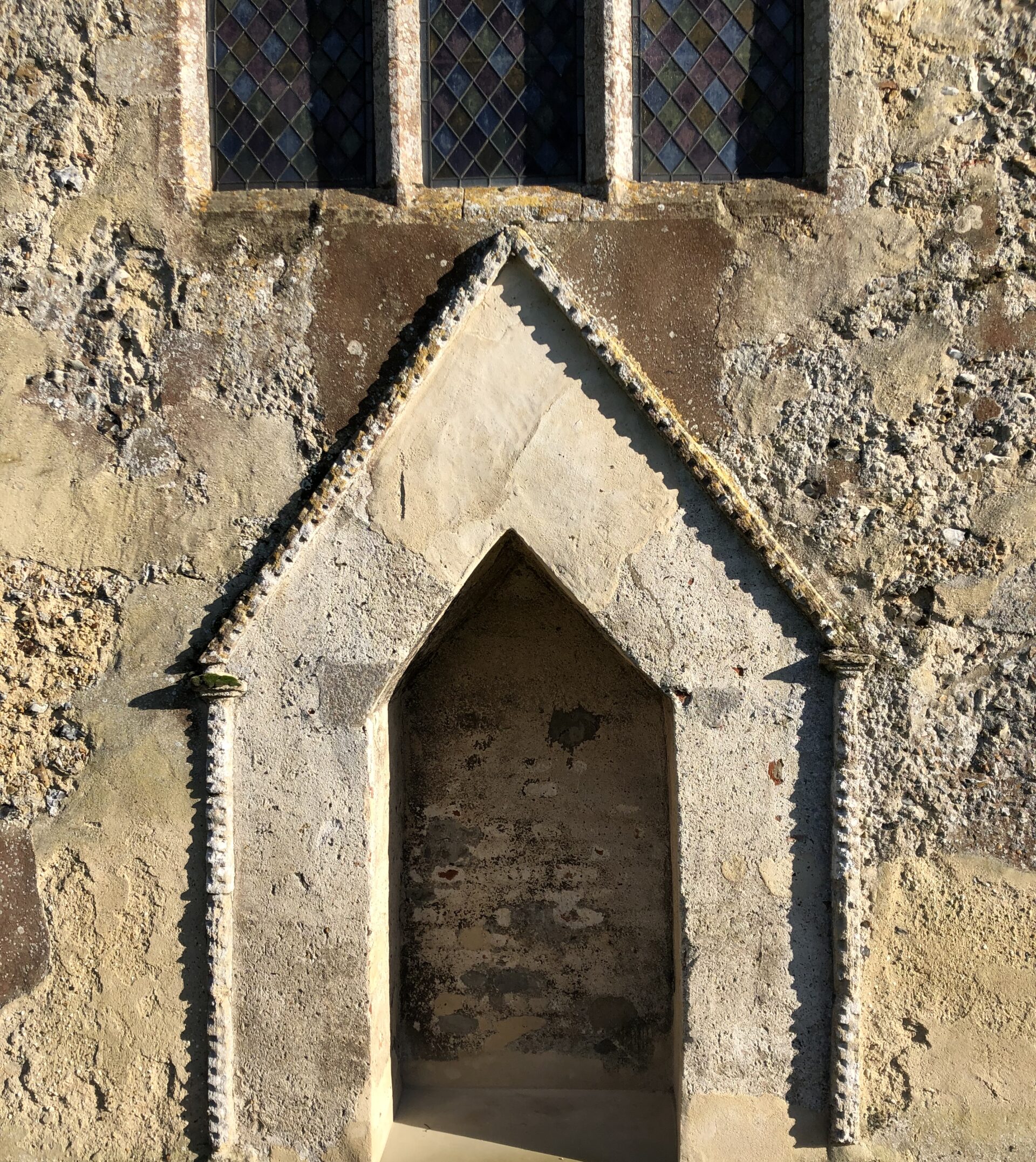
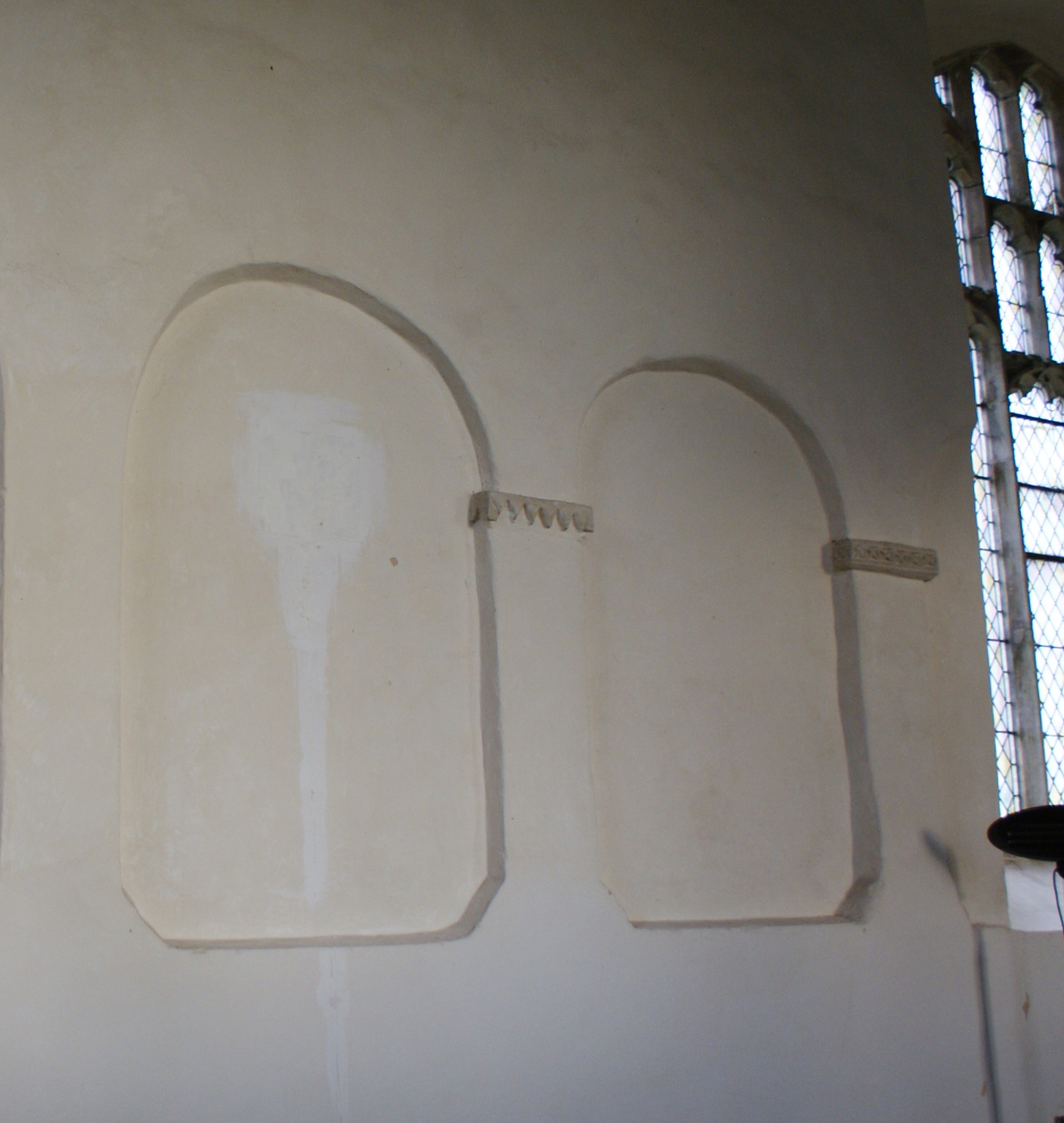
- Walls sometimes have ‘blind arcading’ (filled arch shapes added for decoration)
- ‘Long and short work’ at the corners of the church. This consists of large stones laid horizontally and vertically on top of each other
Norfolk examples
- Great Dunham, St Andrew
- Newton-by-Castleacre, St Mary & All Saints
- East Lexham, St Andrew
- Forncett, St Peter
- Haddiscoe, St Mary
- North Elmham Cathedral Ruins
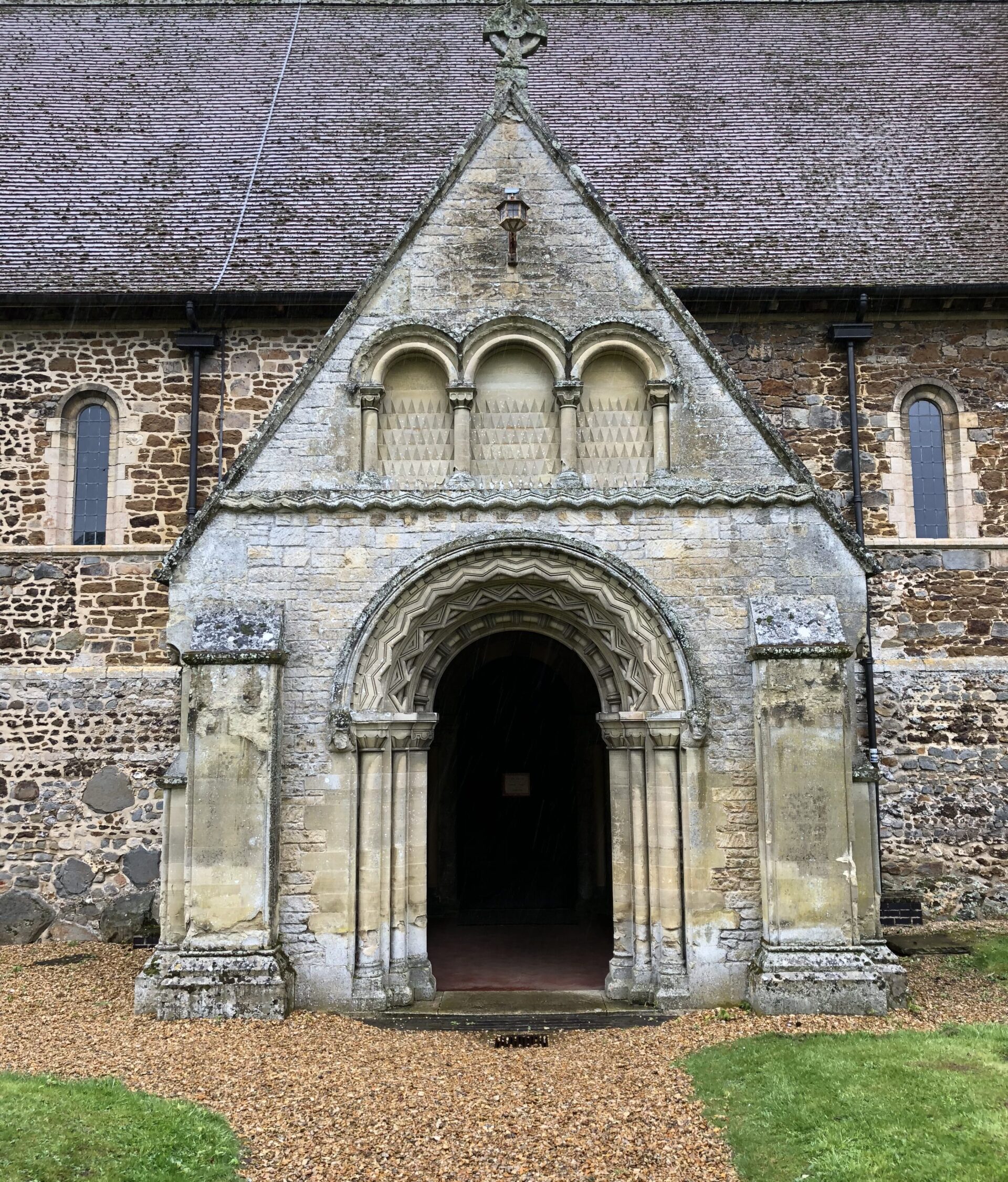
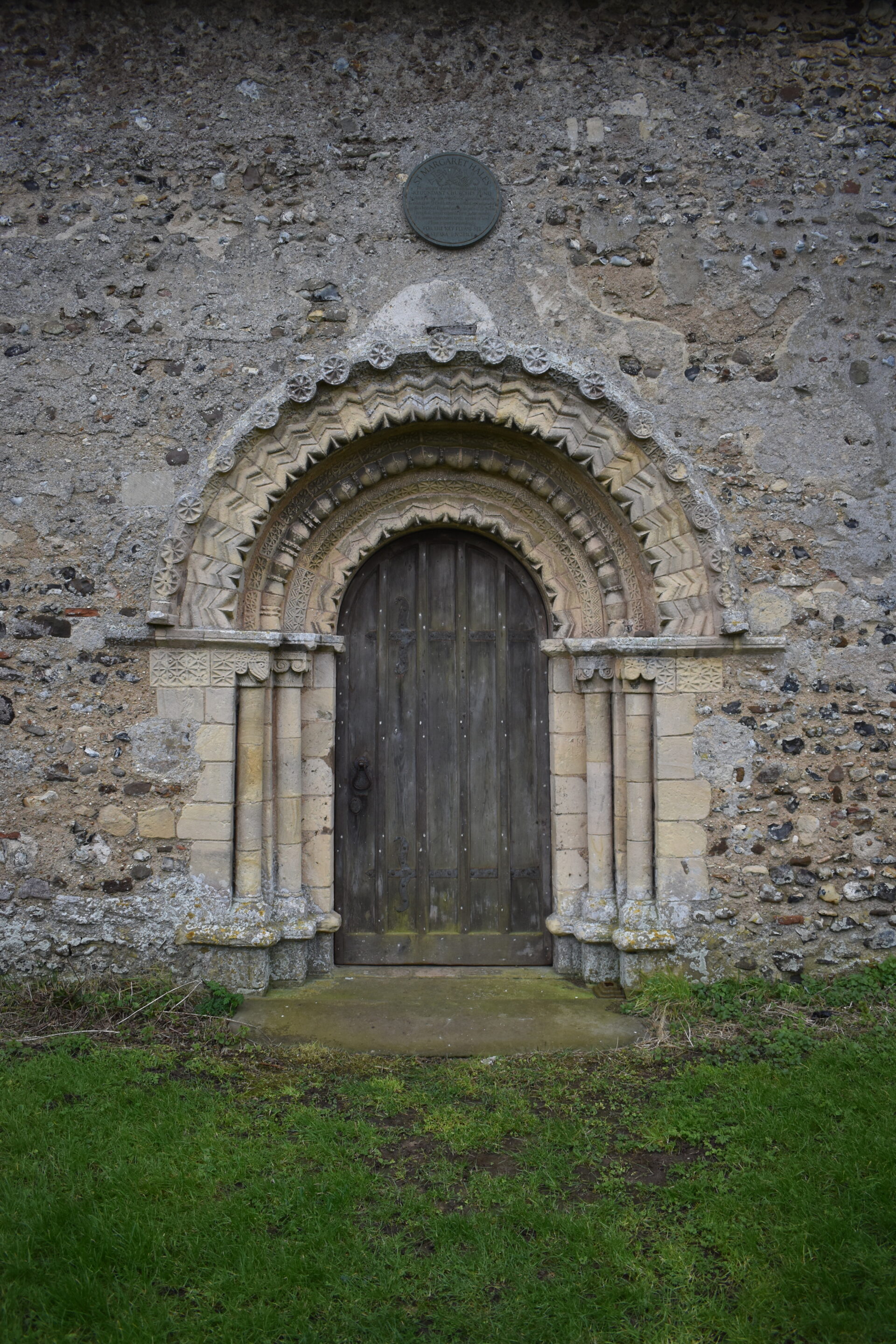
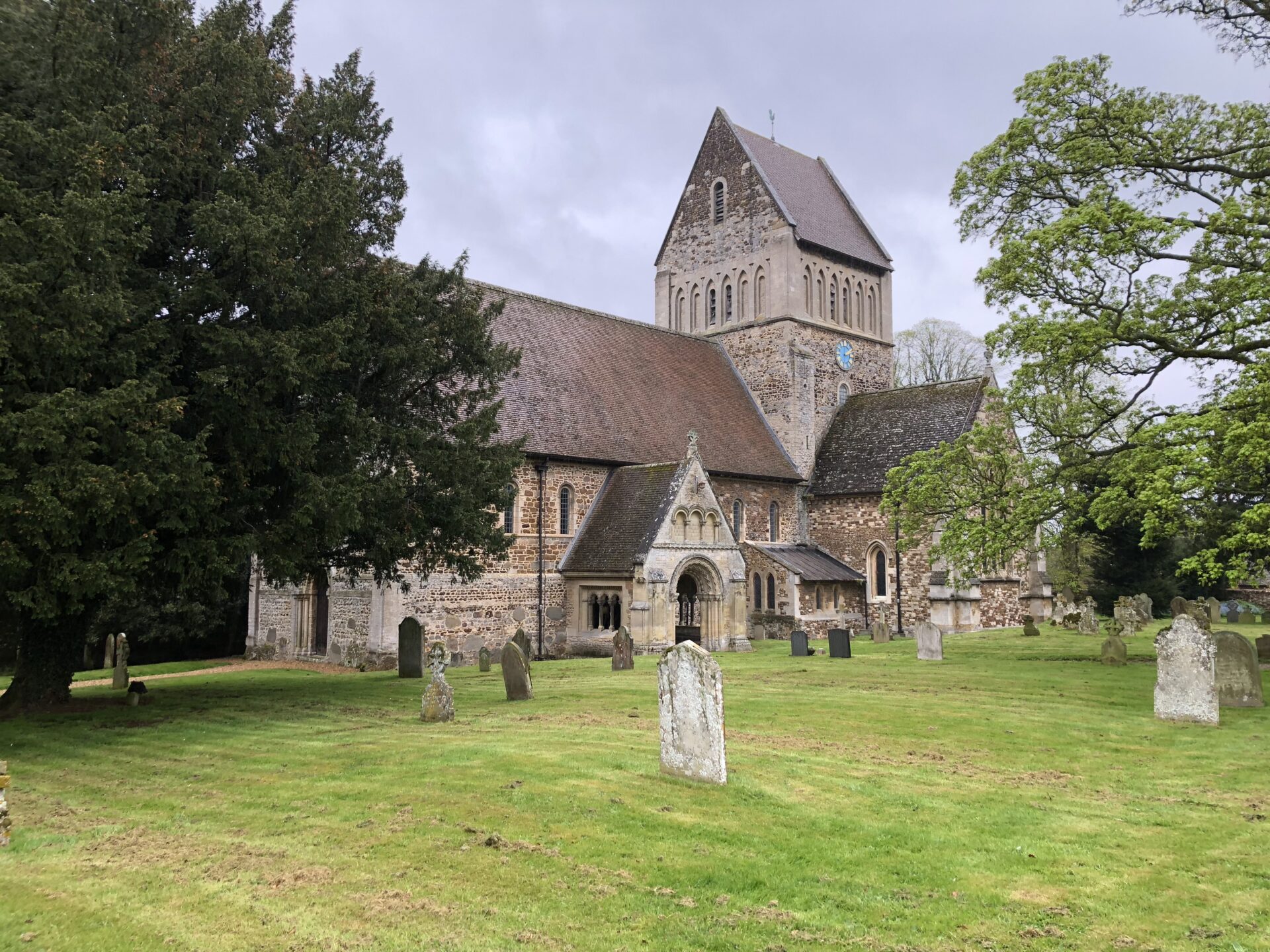
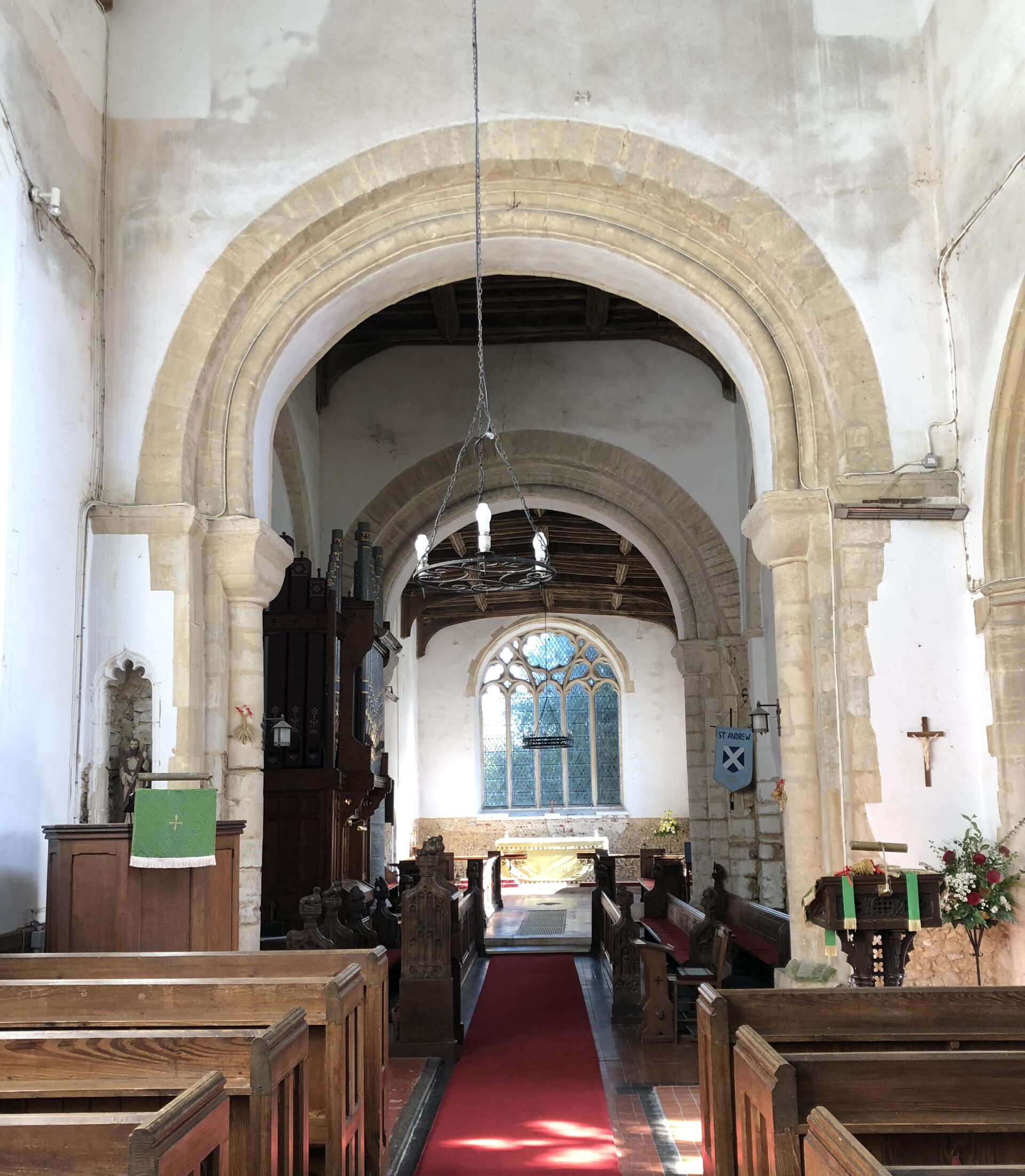
Key features of Norman architecture (1066 – 1195)
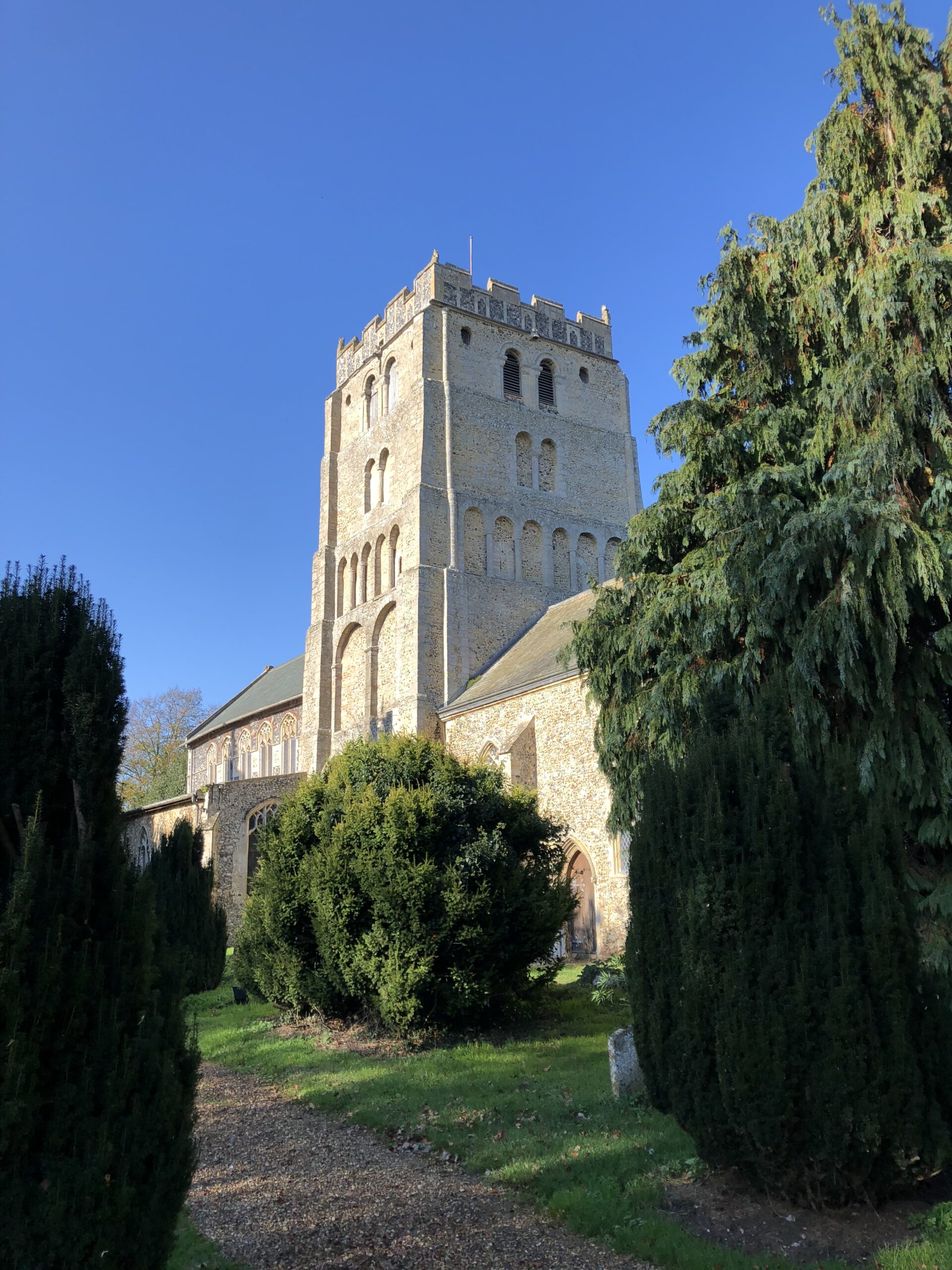
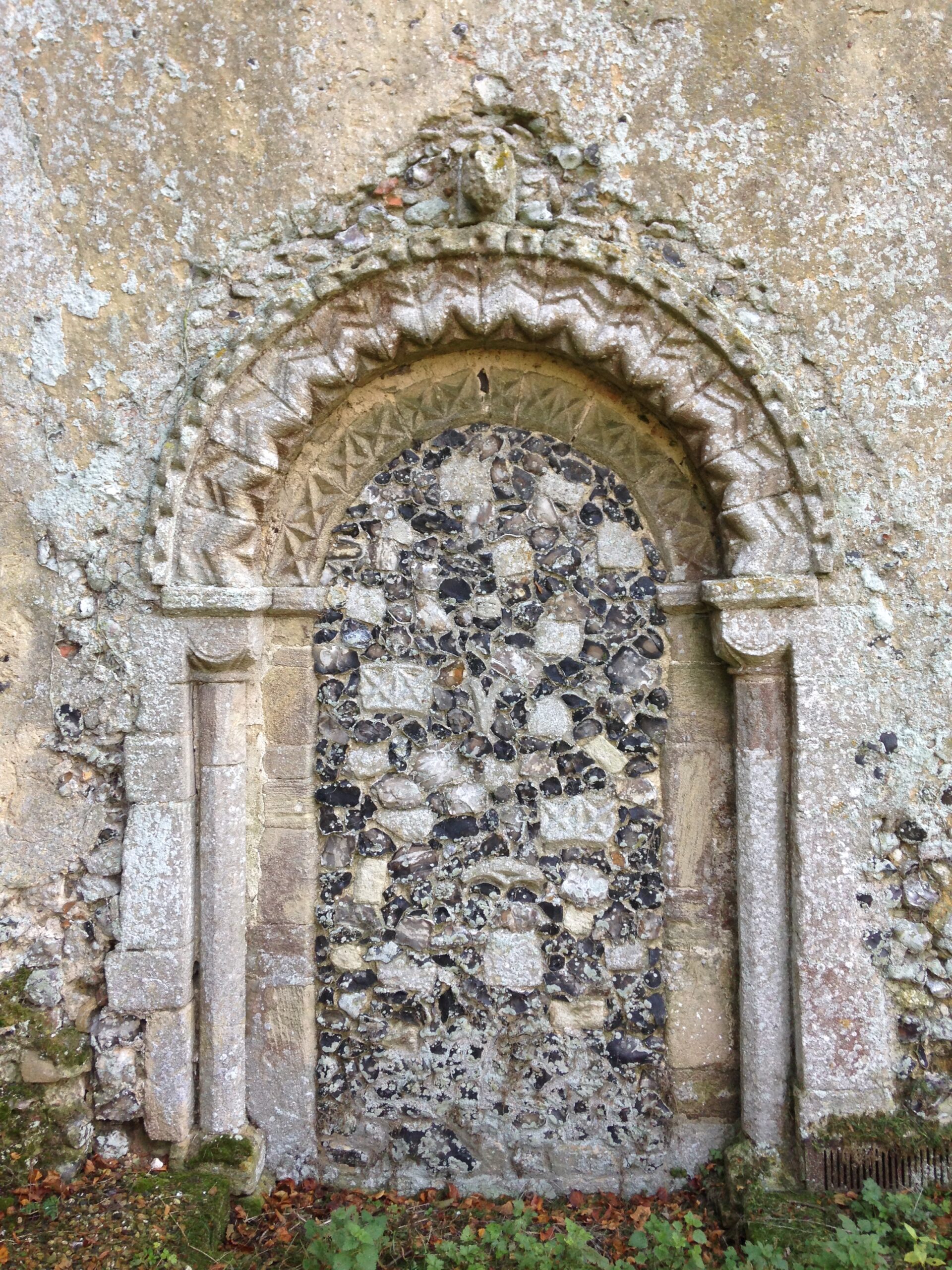
- Round arches
- Massive square central tower
- Highly decorative doorways, often with zigzag mouldings
- Vaulted stone roofs
- Large columns
Norfolk examples
- Norwich Cathedral
- South Lopham, St Andrew
- Hales, St Margaret
- Castle Rising, St Lawrence
- Walsoken, All Saints
- Broomholm Priory ruins
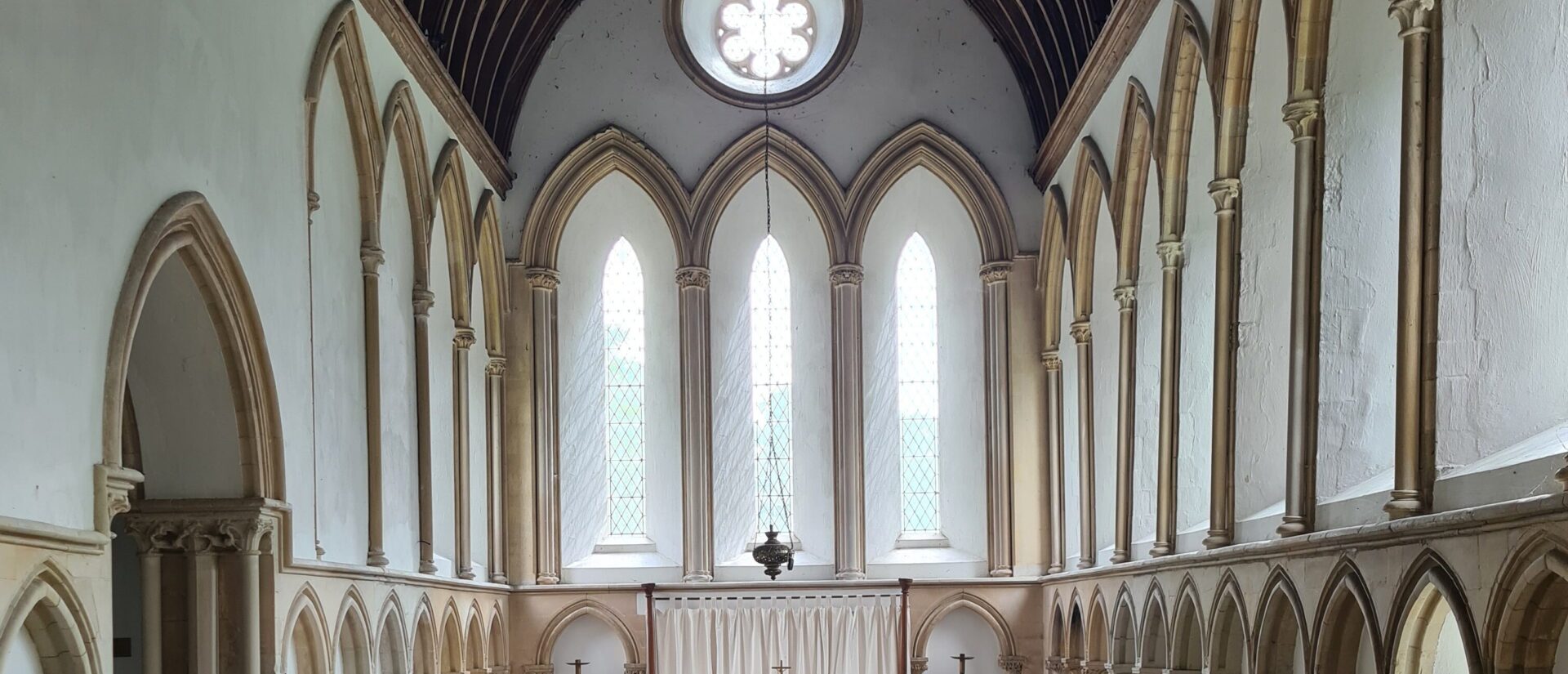
Key features of Early English architecture (1195 – 1300)
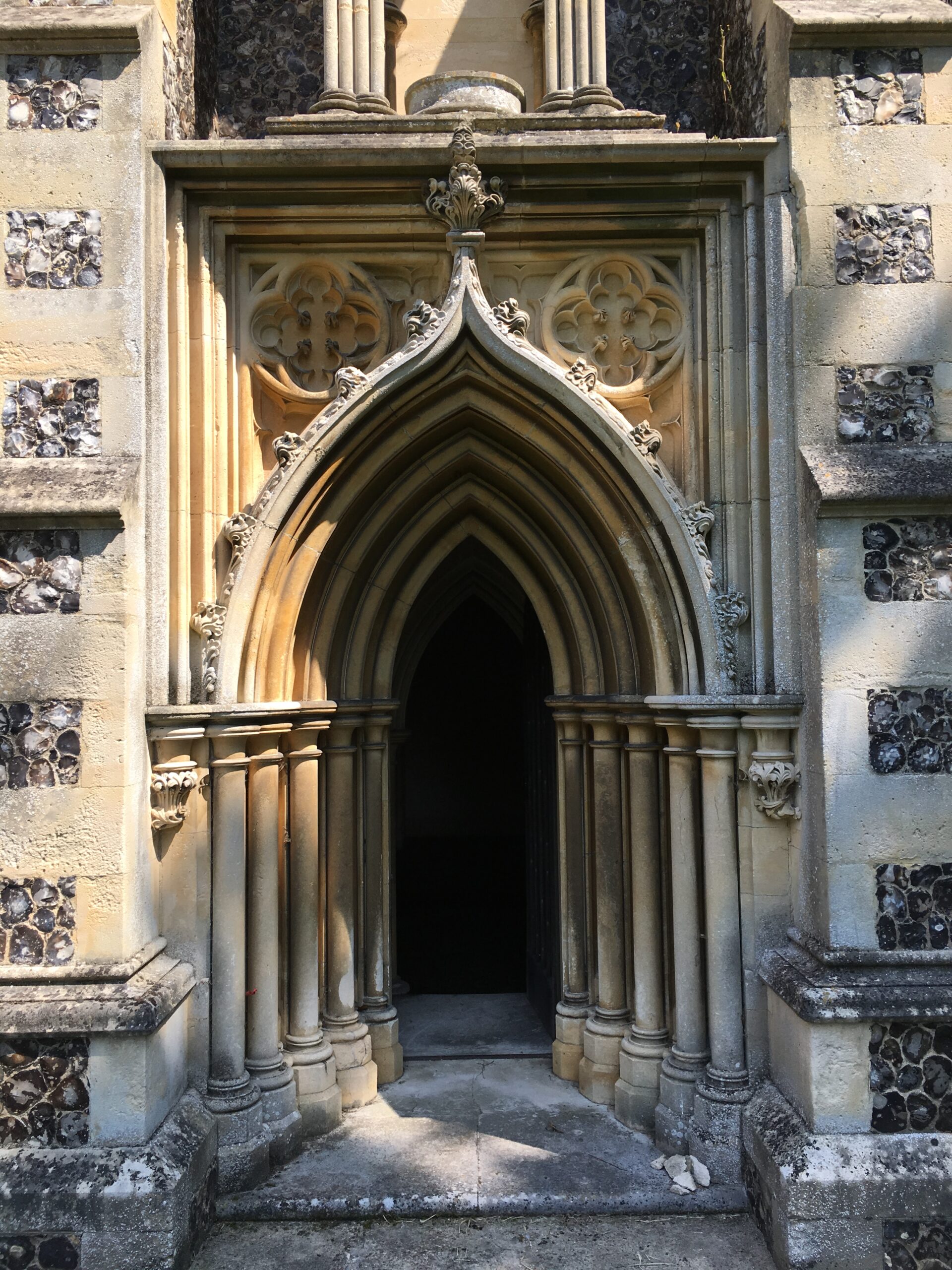
- Steeply pointed arches and windows (lancets)
- ‘Stiff-leaf’ carving on the capitals of columns
- Detached shafts within columns
- Dogtooth mouldings (four leaves radiating from a raised central point)
Norfolk examples
- West Walton, St Mary
- Bittering Parva, St Peter & St Paul
- Burgh-next-Aylsham, St Mary (chancel)
- Great Massingham, St Mary (porch)
- Wramplingham, St Peter & St Paul (chancel)
- Blakeney, St Nicholas (chancel)
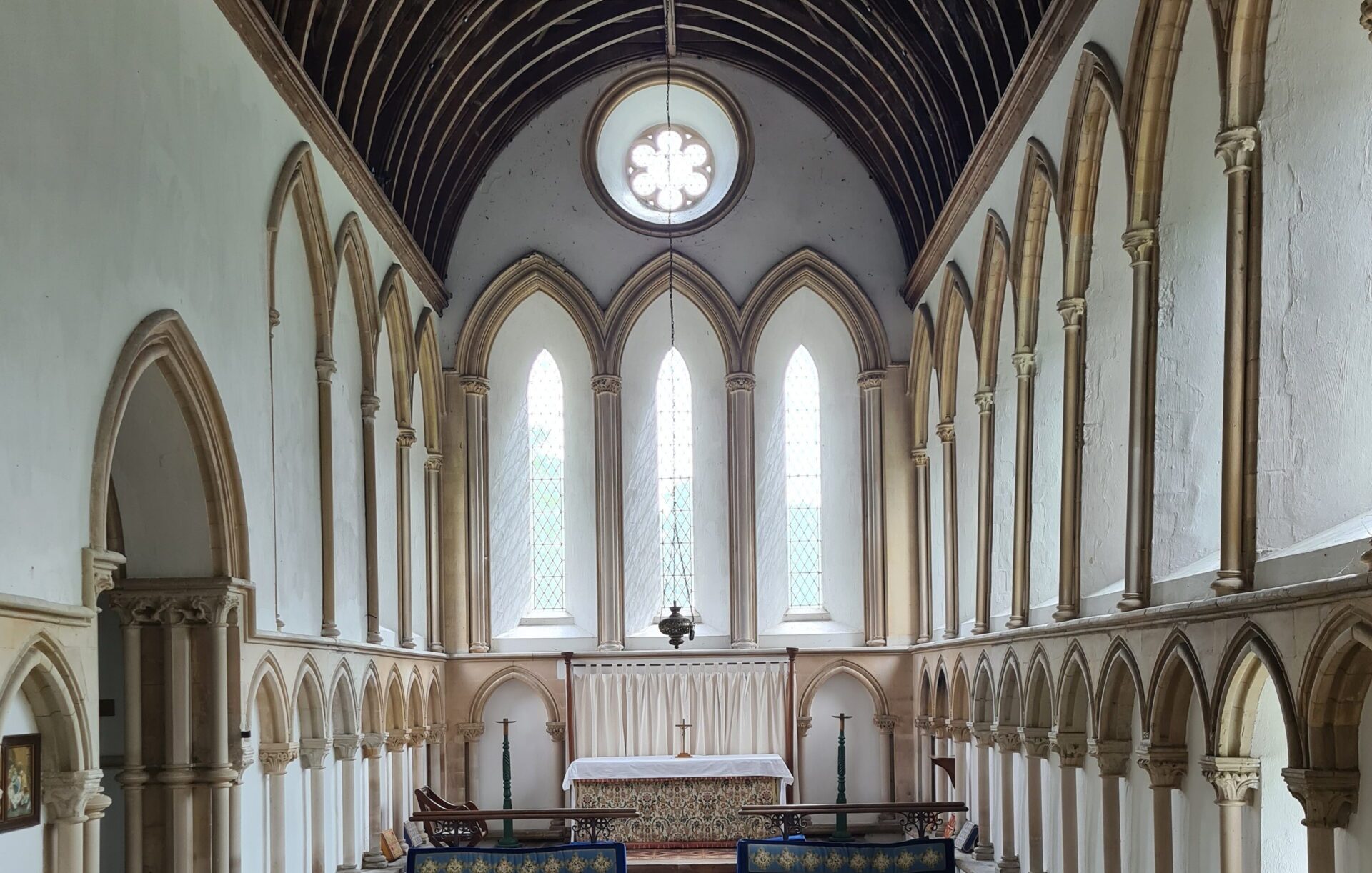
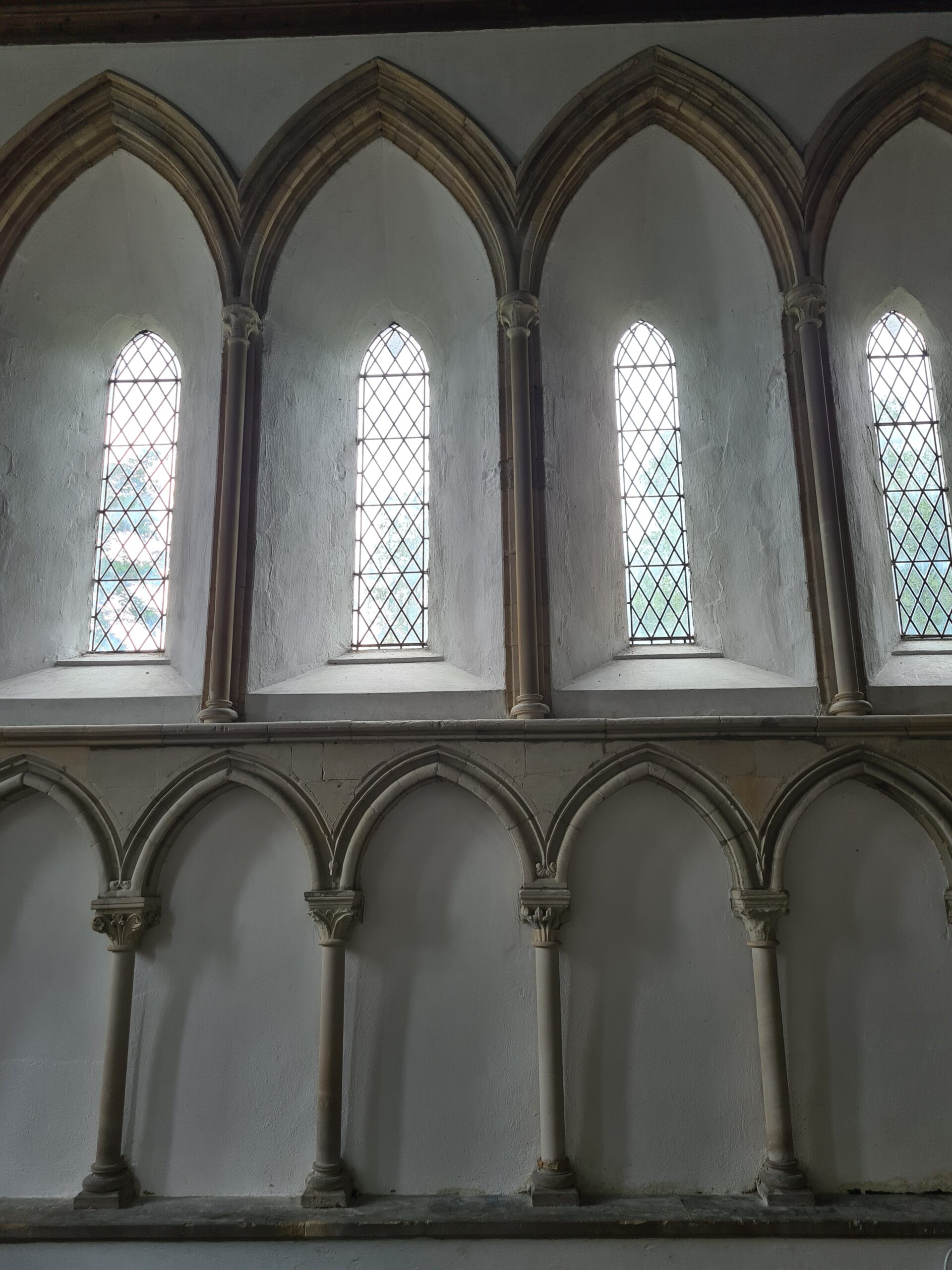
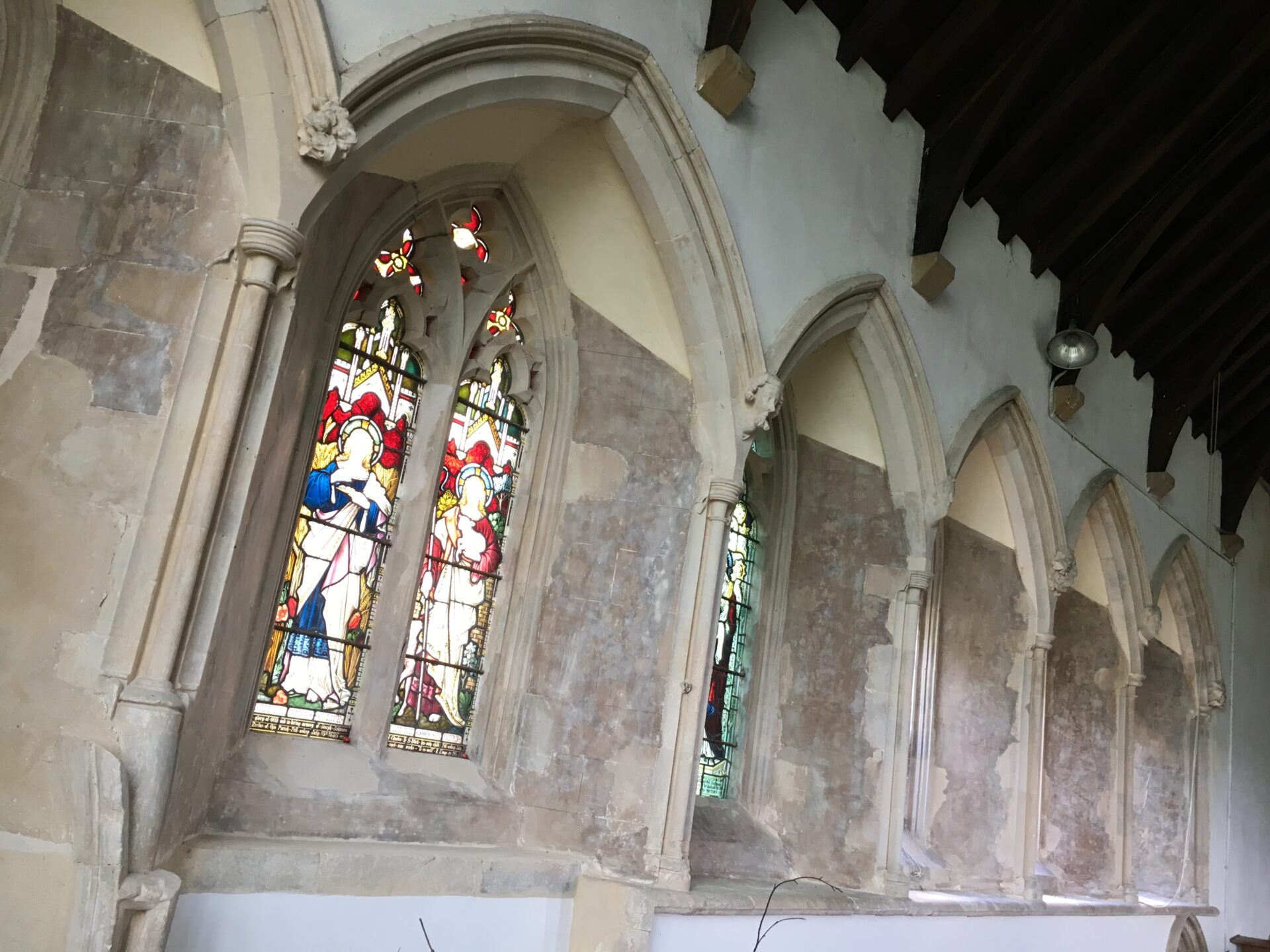
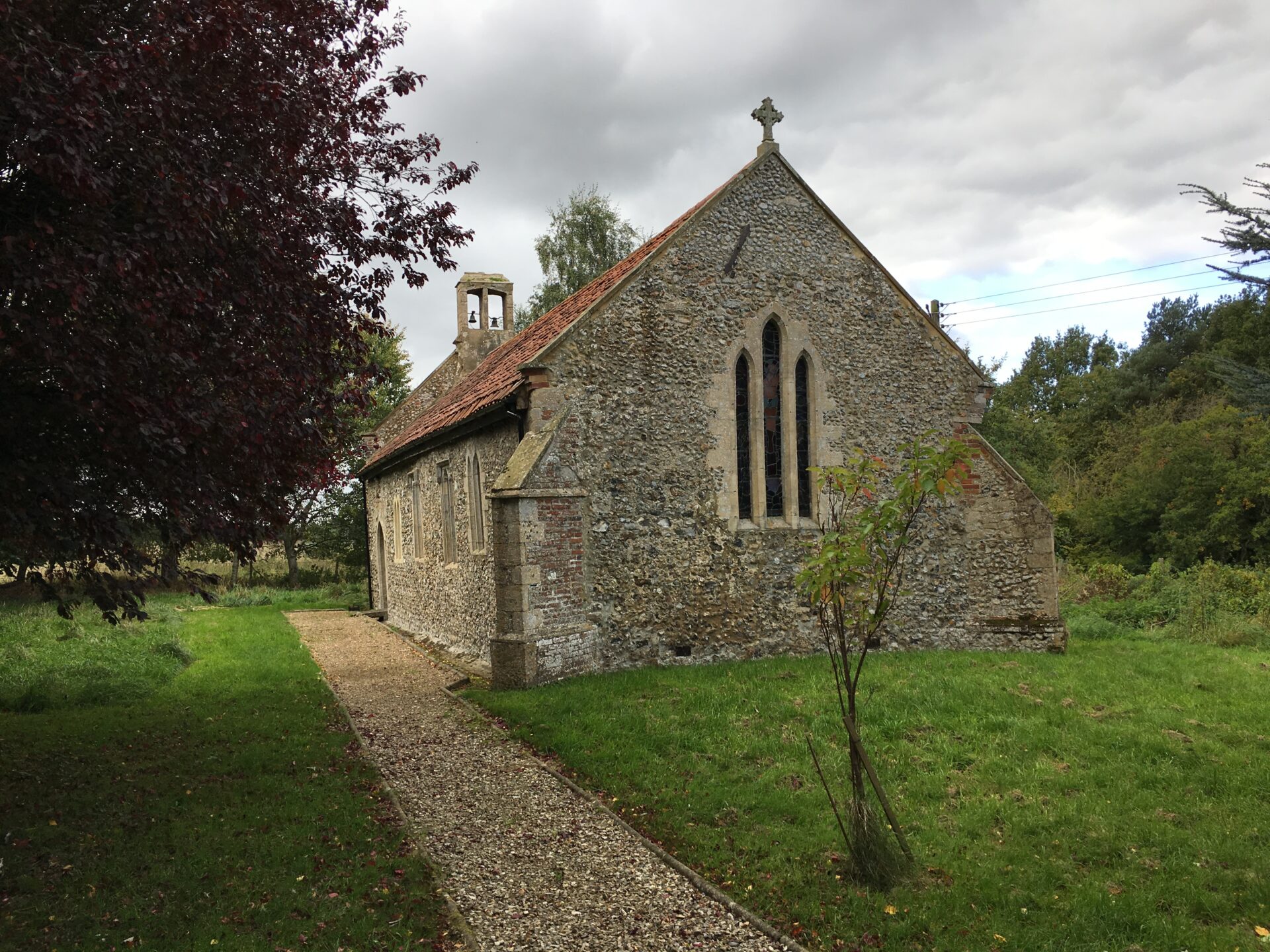
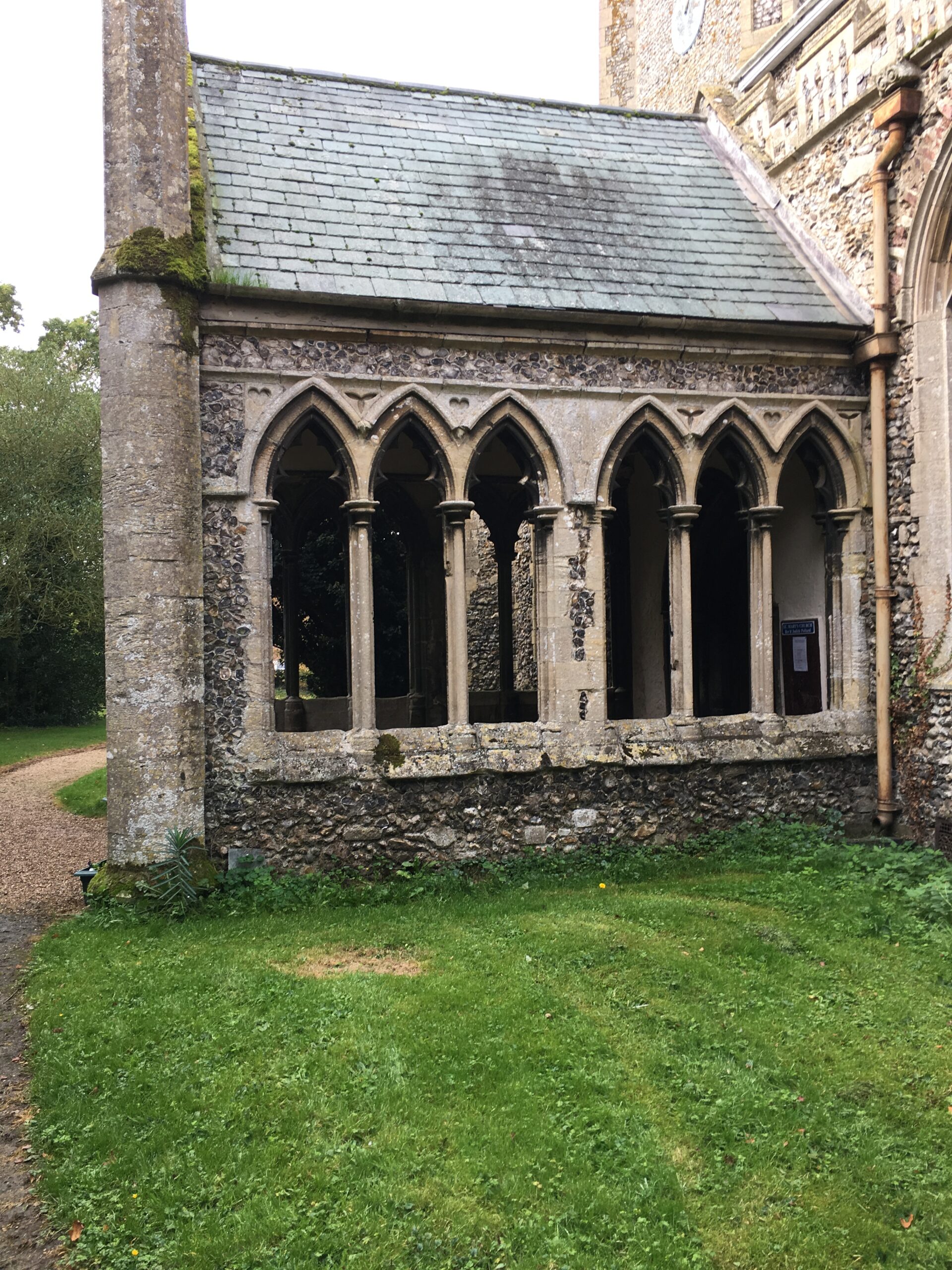
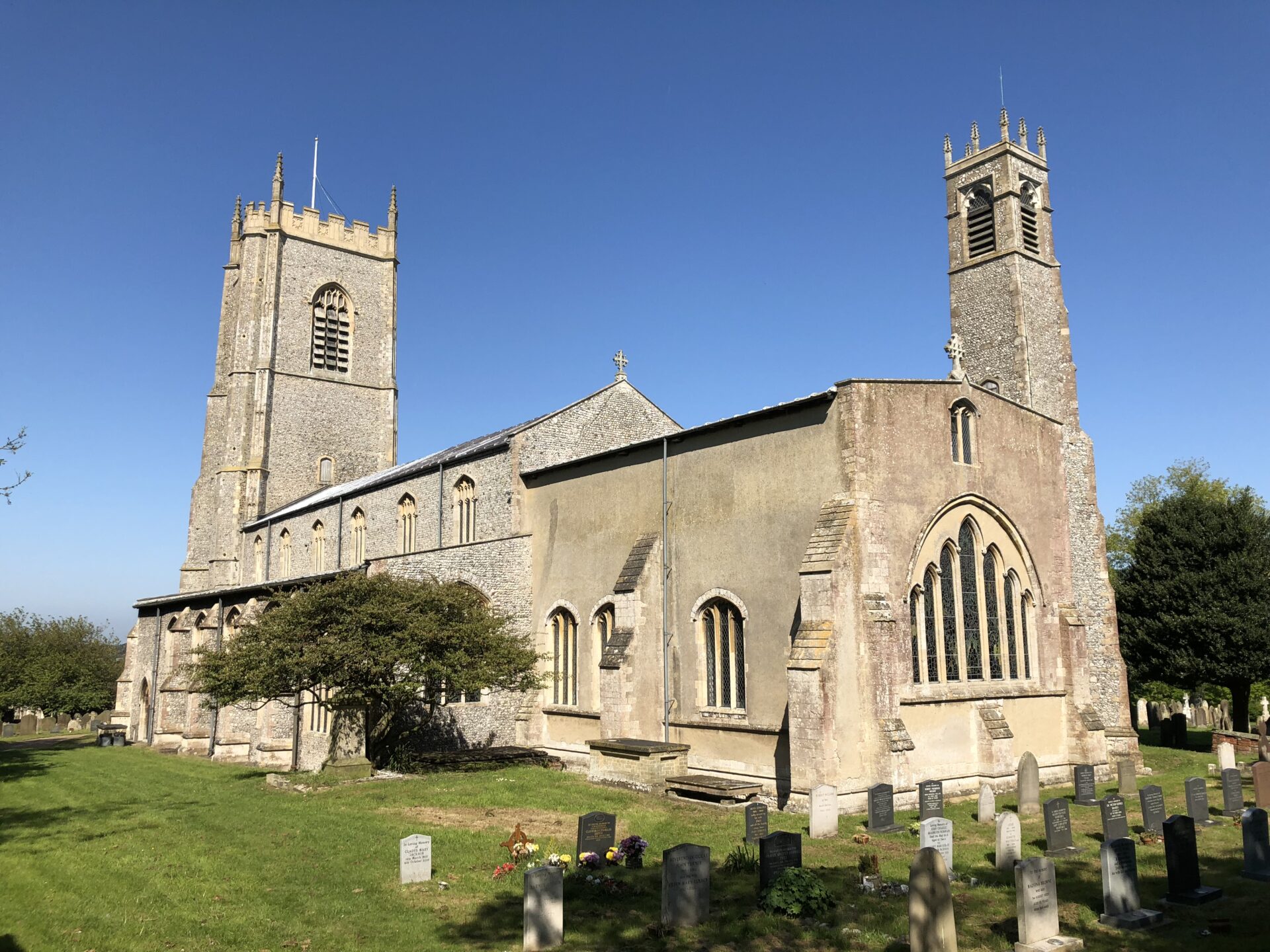
The Chancel […] is really one of the best Early English one often meets with. It is also of a scarce and very valuable variety of the style – being the point between the transition from the Norman into Early English.
Excerpt from a letter from the leading Gothic Revival architect Sir George Gilbert Scott concerning Burgh-next-Aylsham, St Mary. 20th June 1865
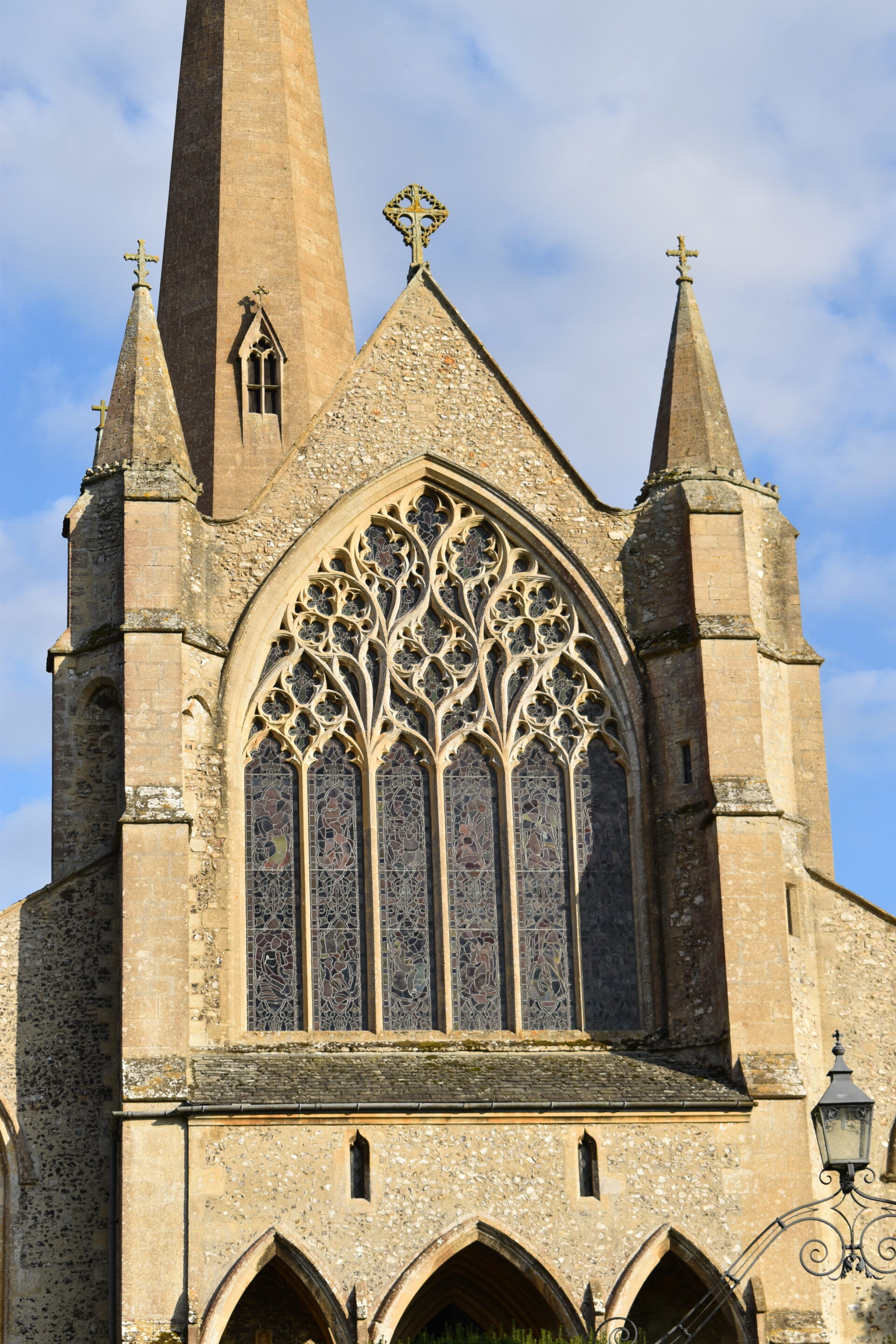
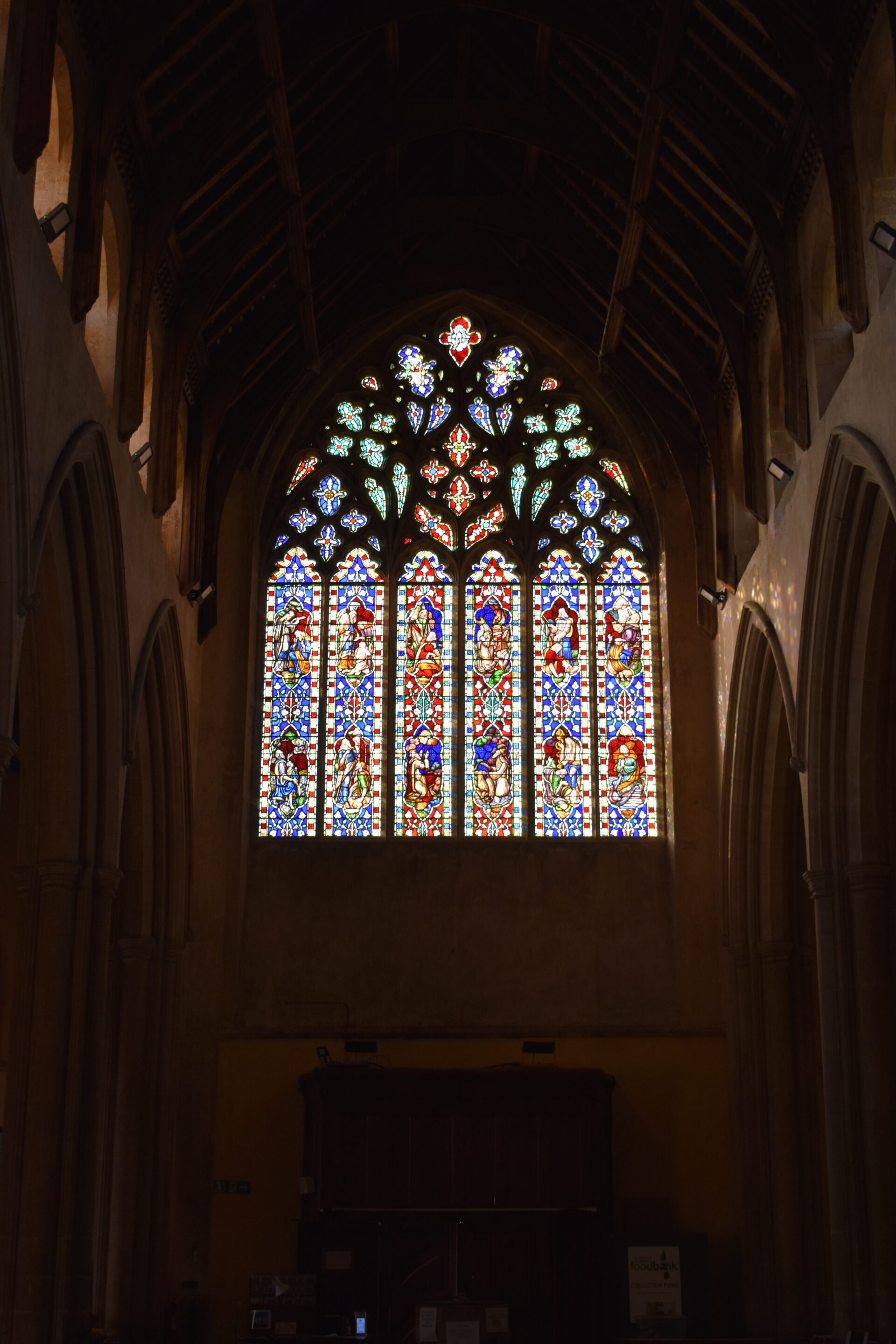
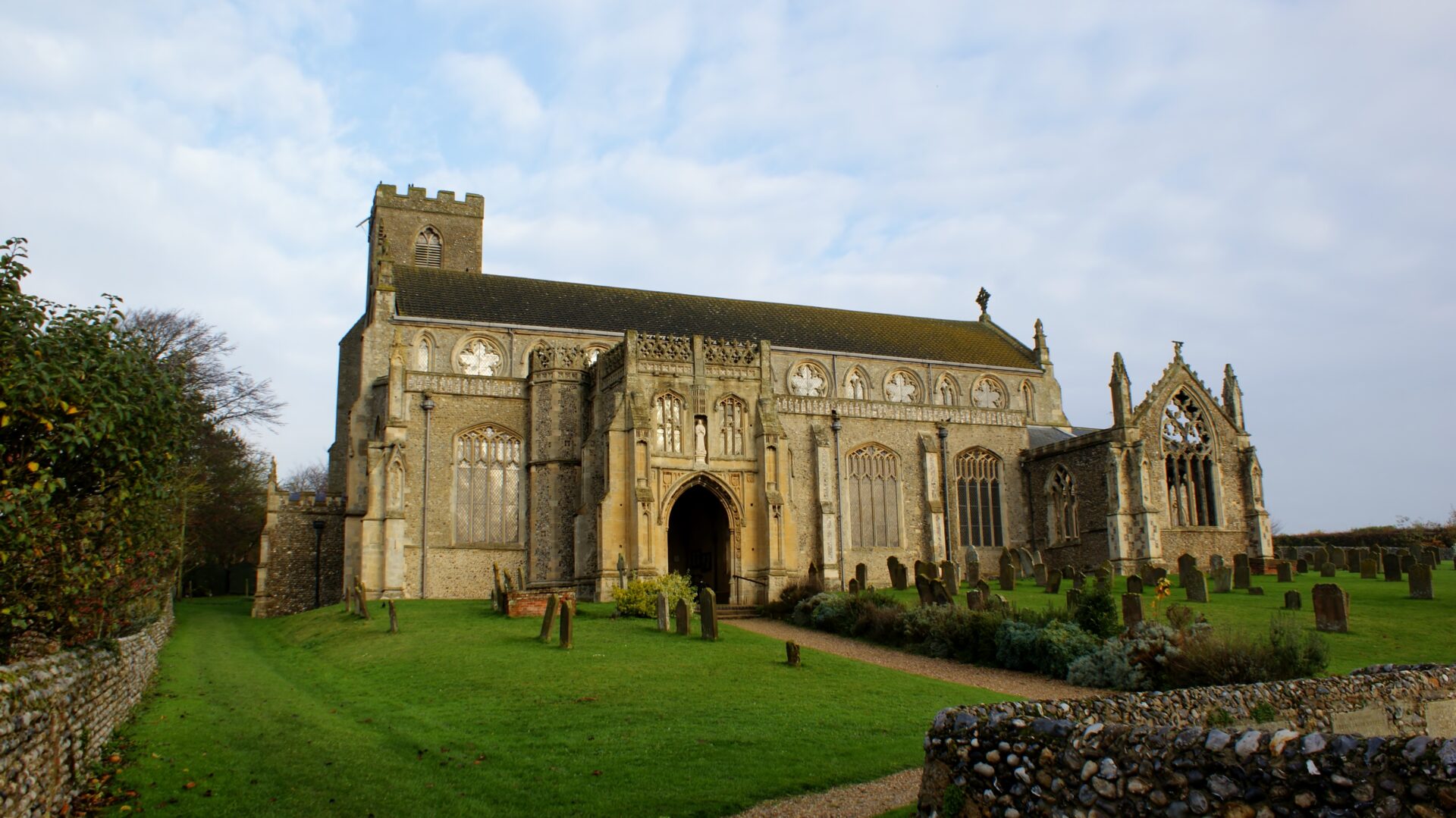
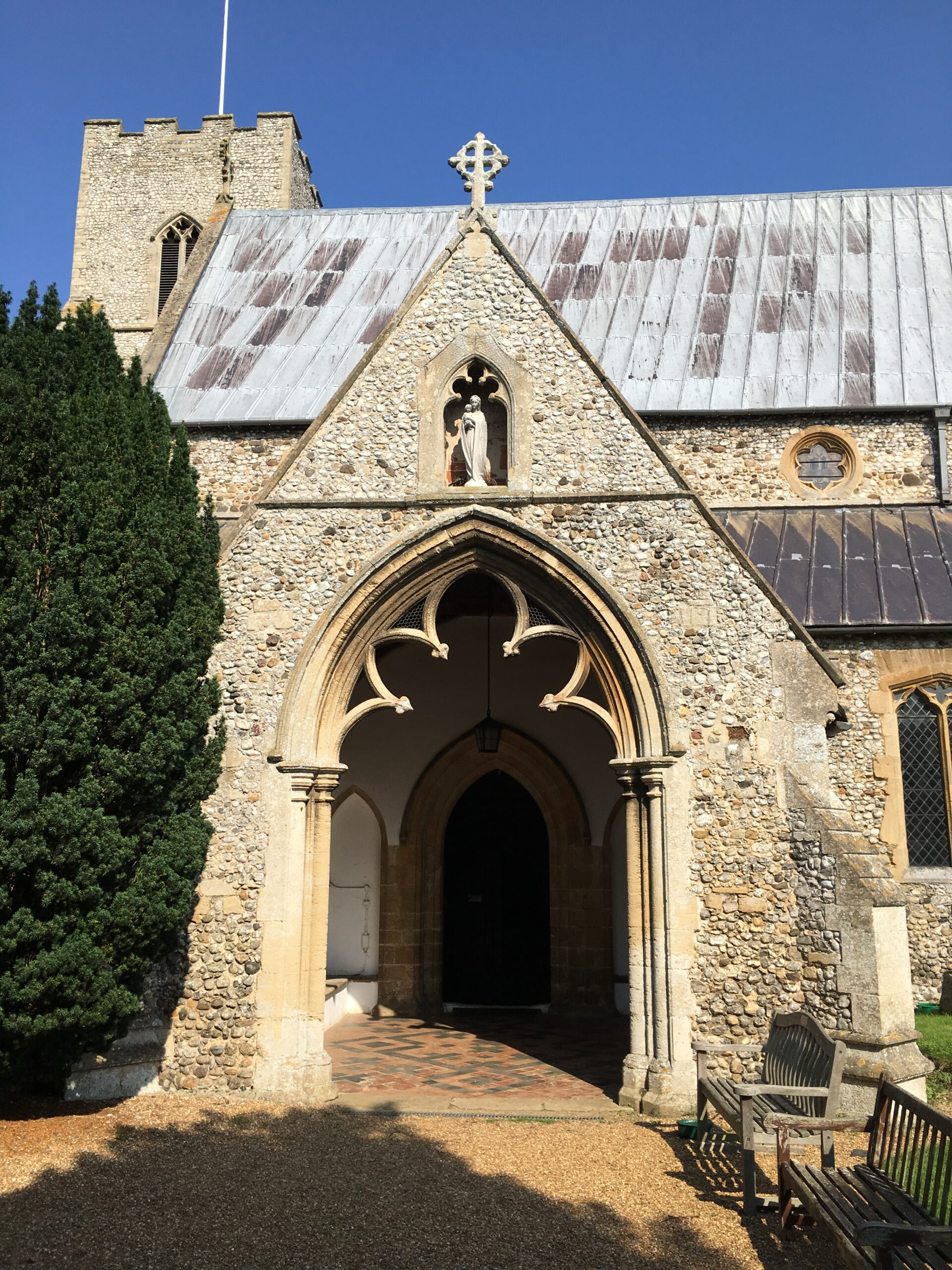
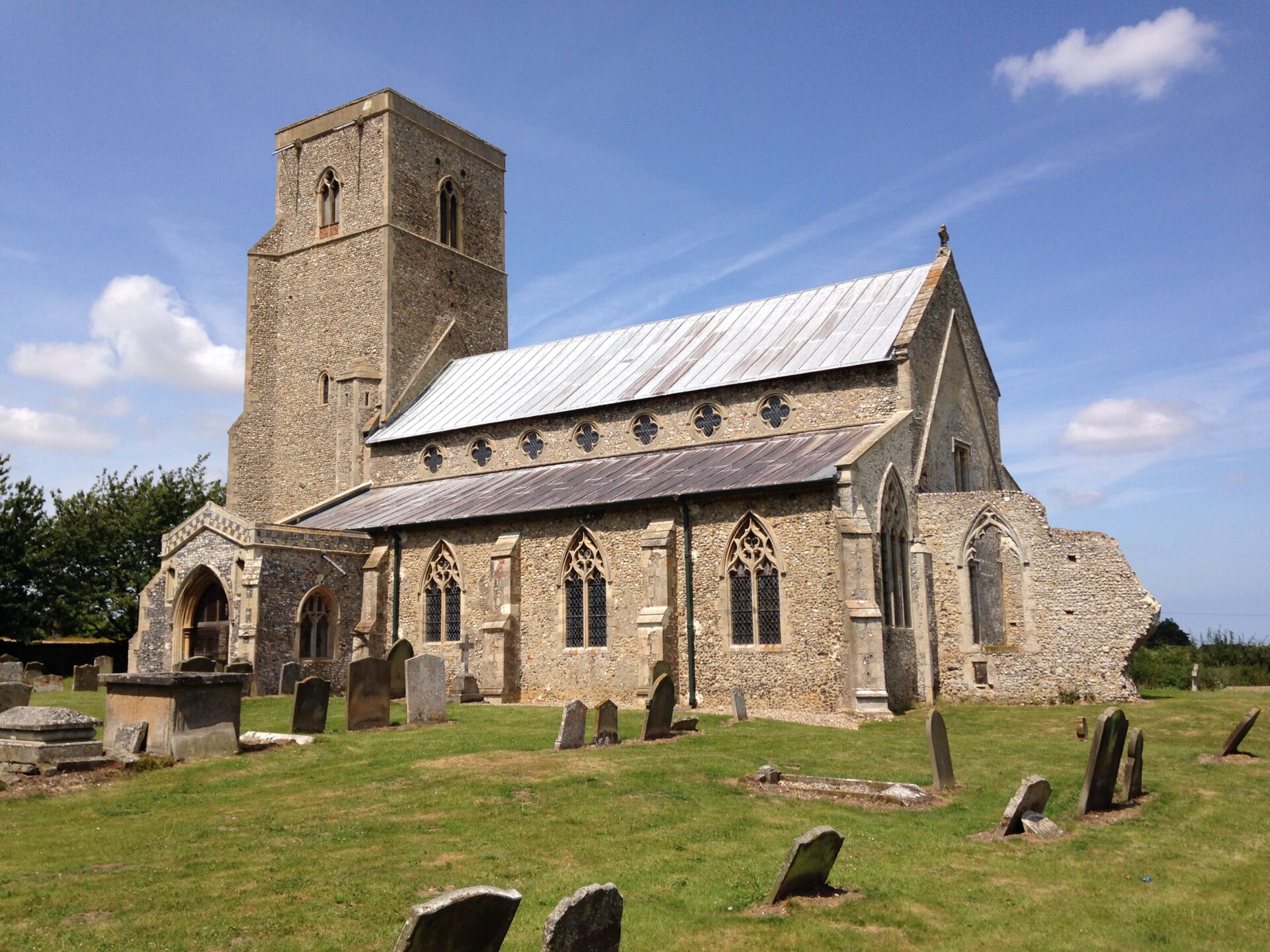
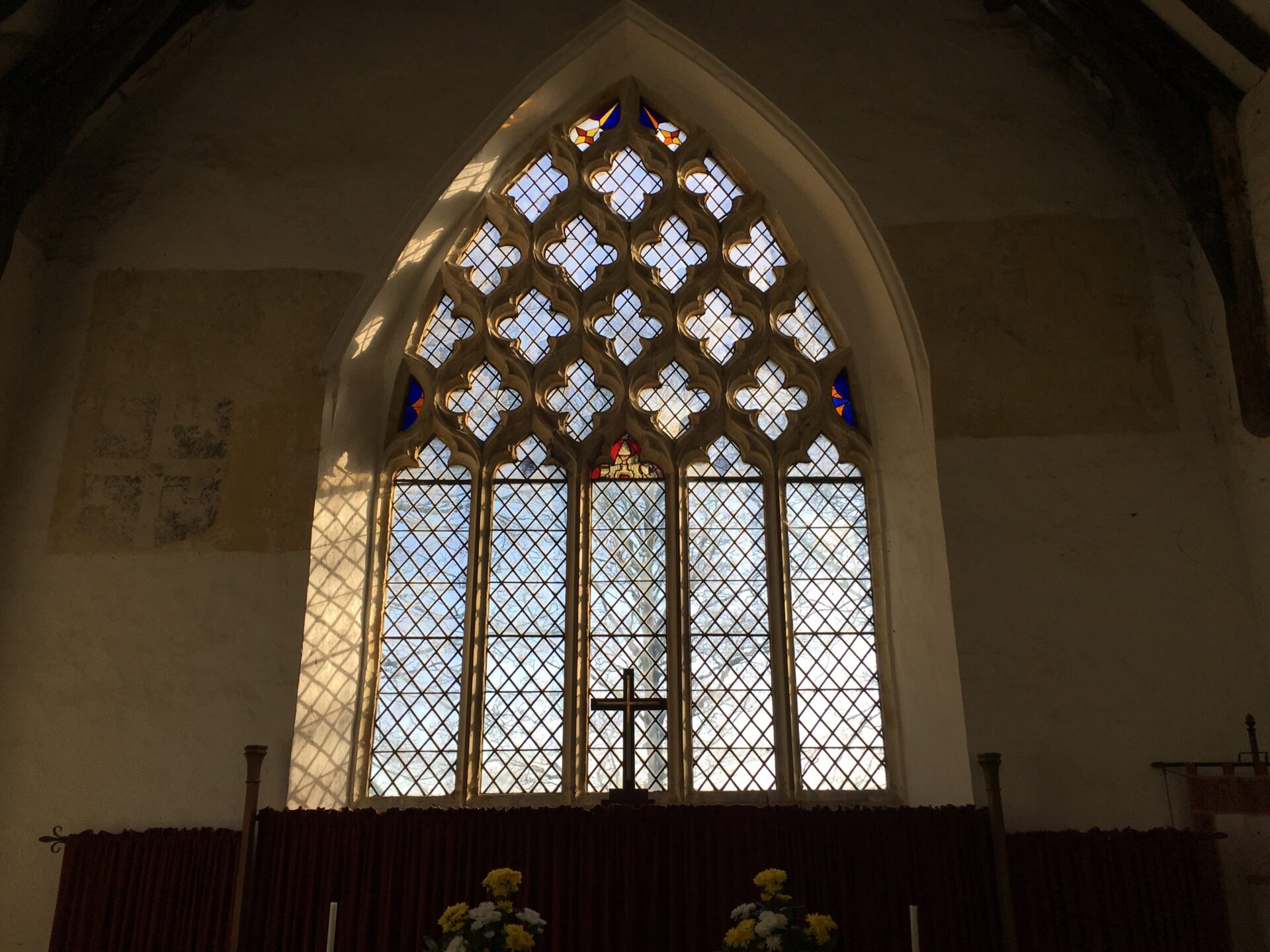
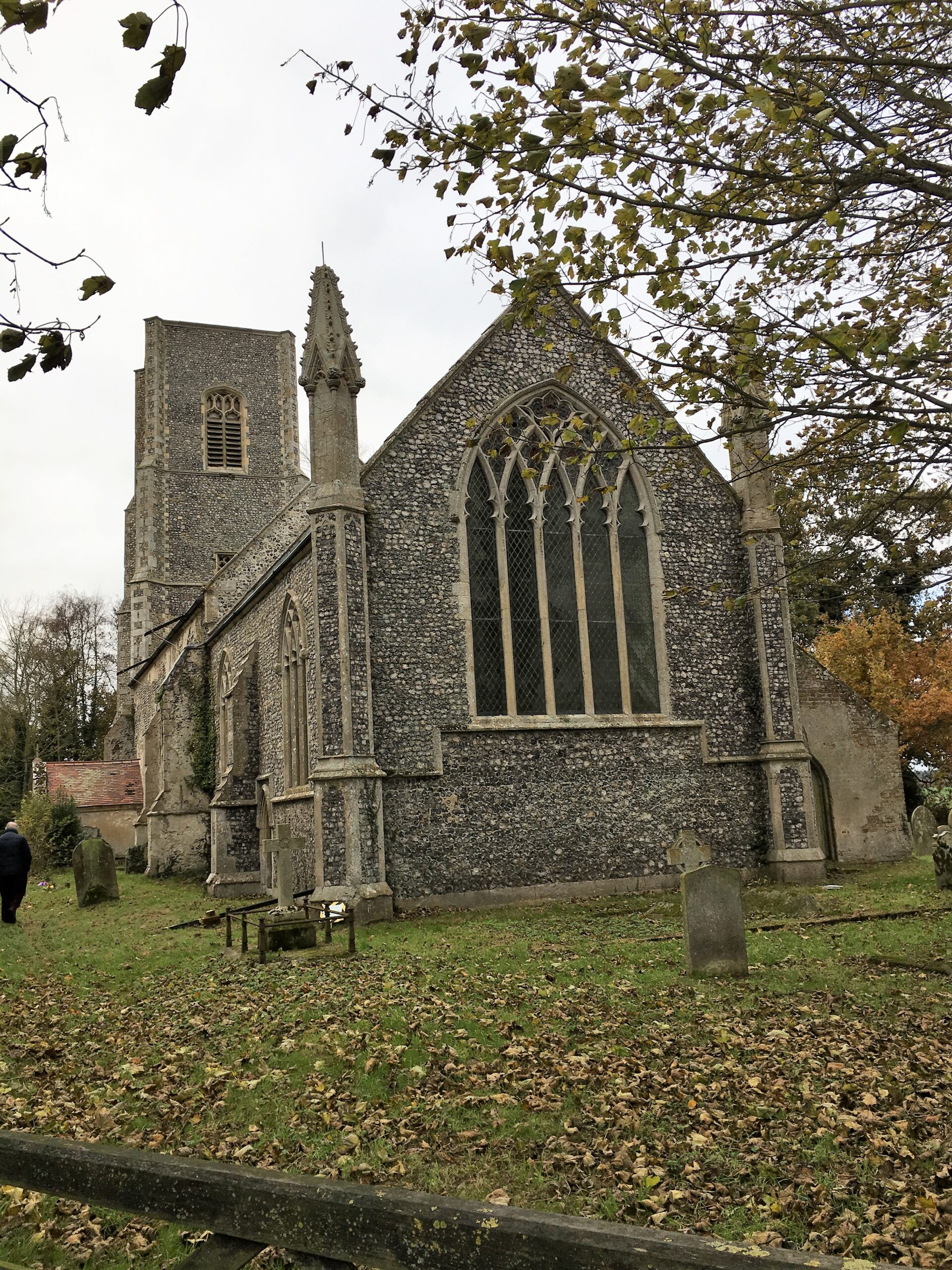
Key features of Decorated architecture (1300 – 1360+)
- Delicate, curving patterns in window tracery
- Bar tracery (piercing of stone to create interlaced patterns)
- Larger windows
- Hood moulds over windows and doors supported by corbel heads
- Arches less pointed (more ogee shaped)
- Ballflower mouldings
Norfolk examples
- Snettisham, St Mary
- Cley-next-the-Sea, St Margaret of Antioch
- Beeston-next-Mileham, St Mary
- Hingham, St Andrew
- Great Walsingham,
- Hunstanton, St Mary (porch)
- Bradfield (chancel)
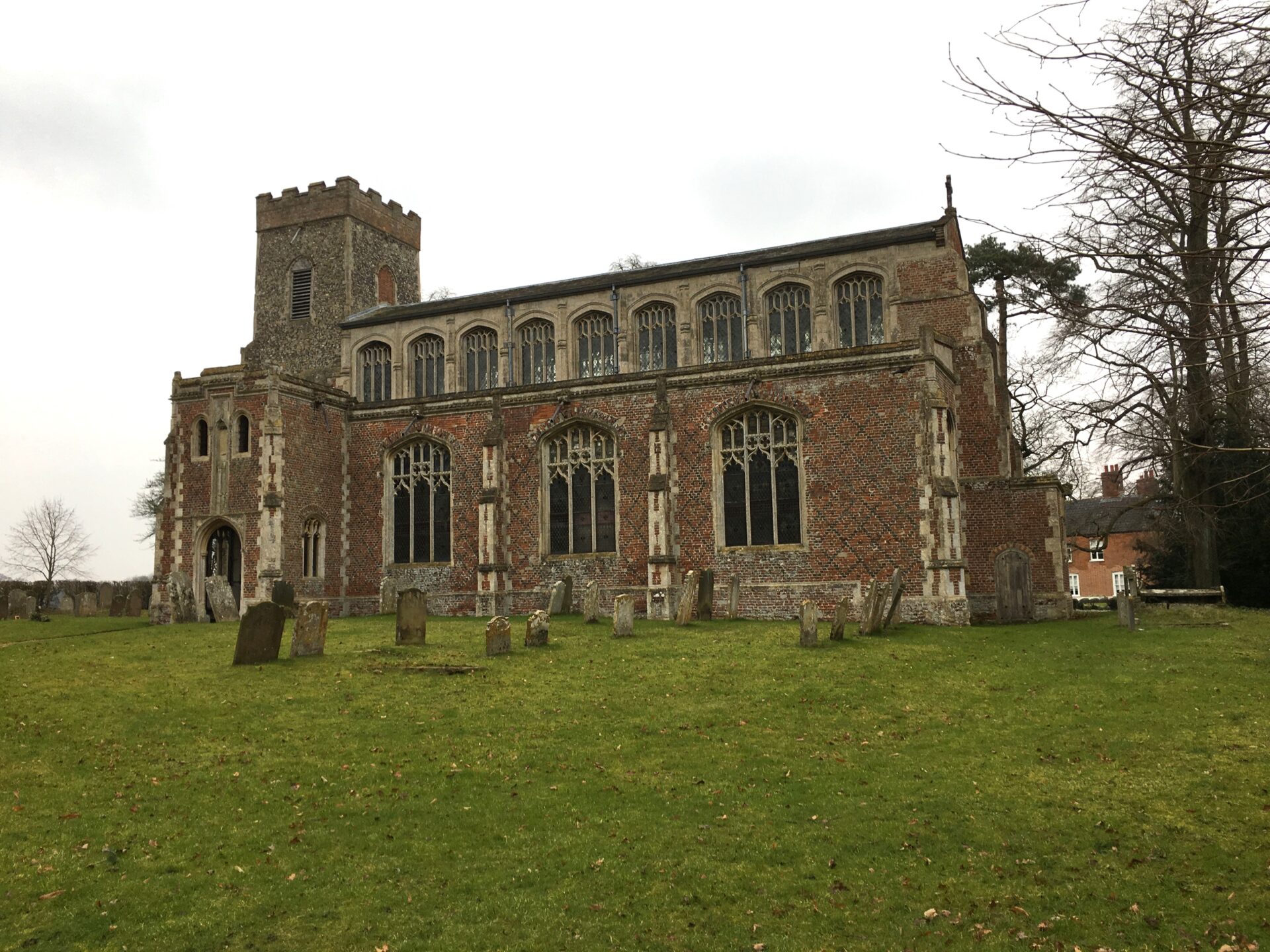
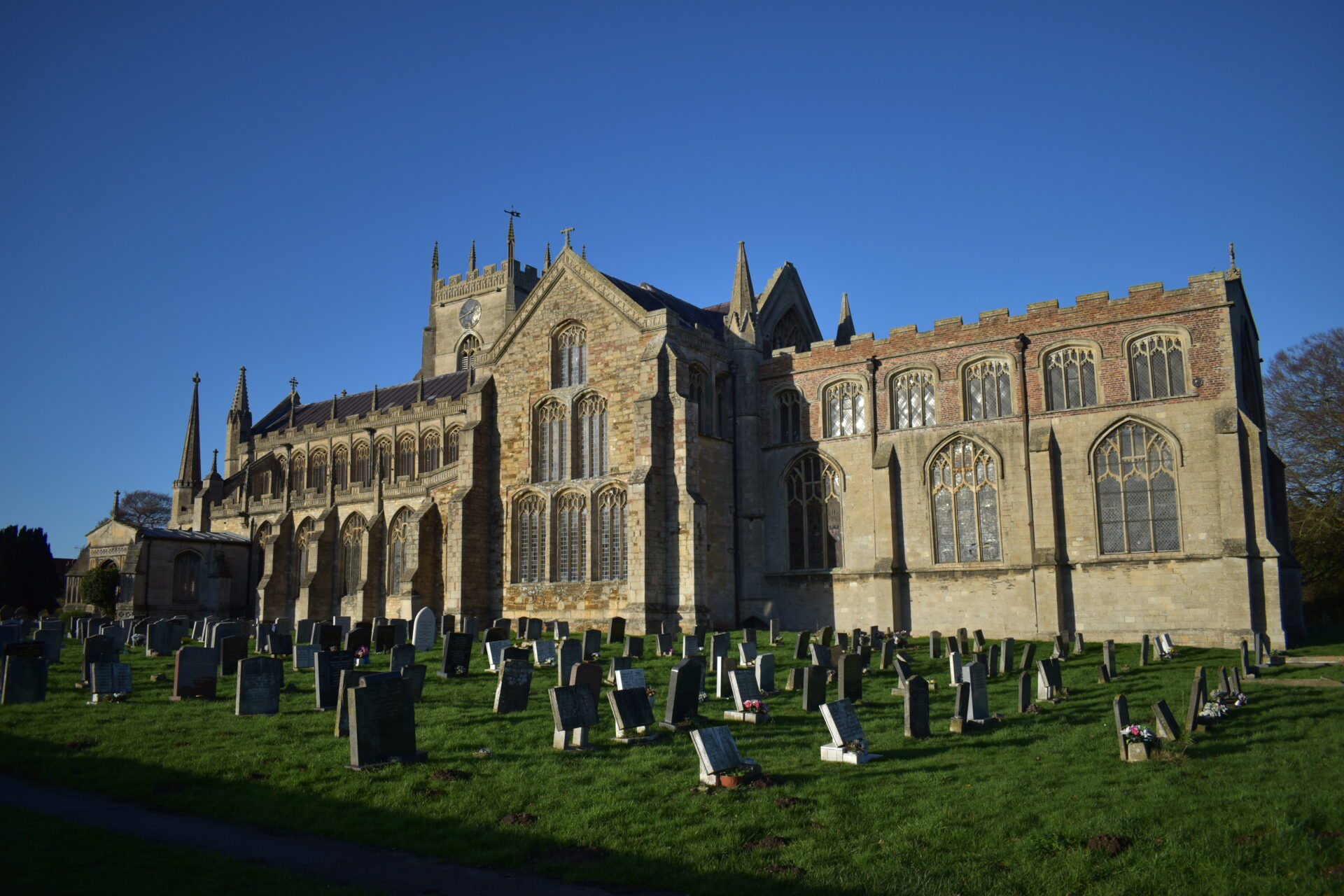
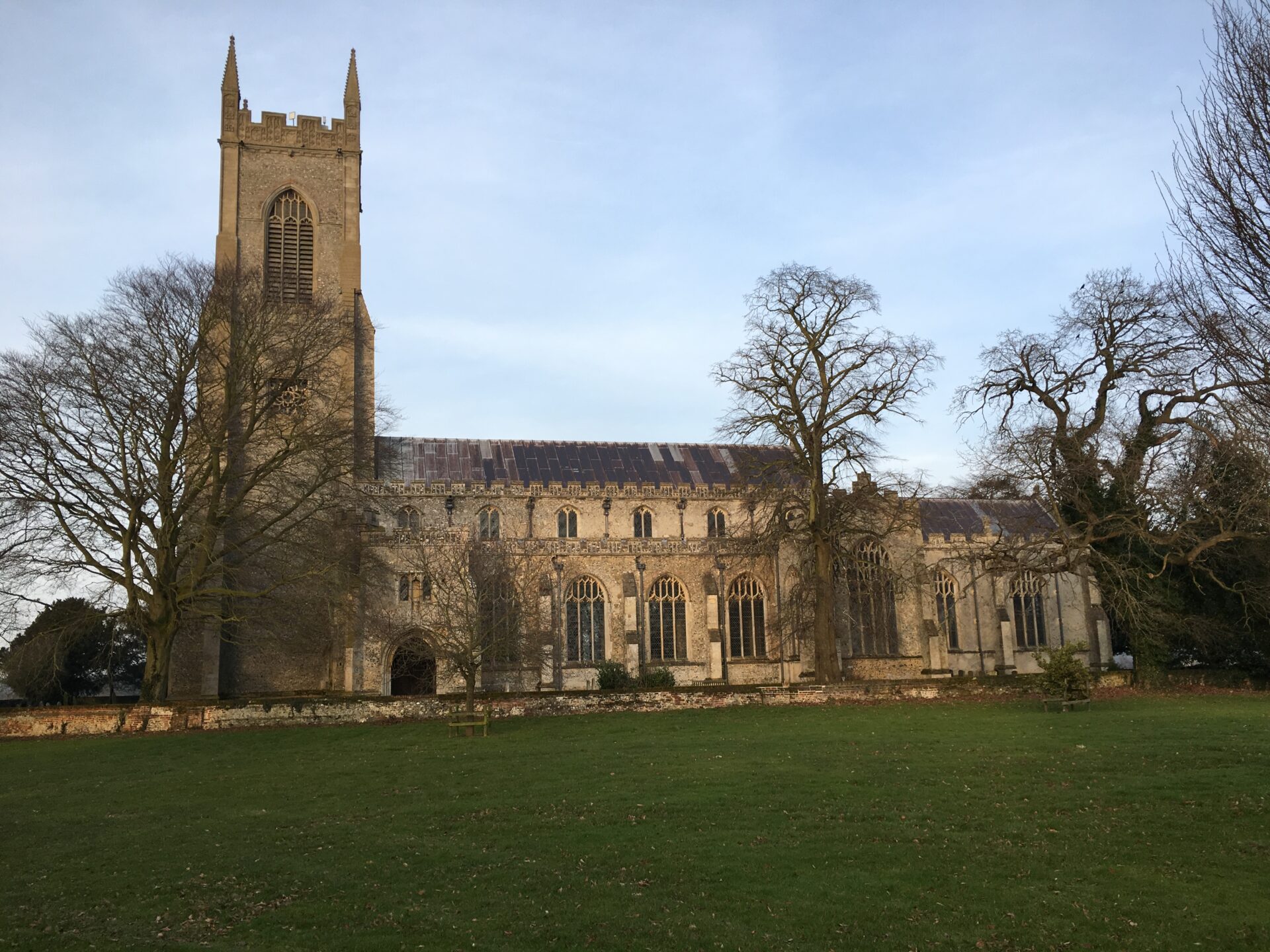
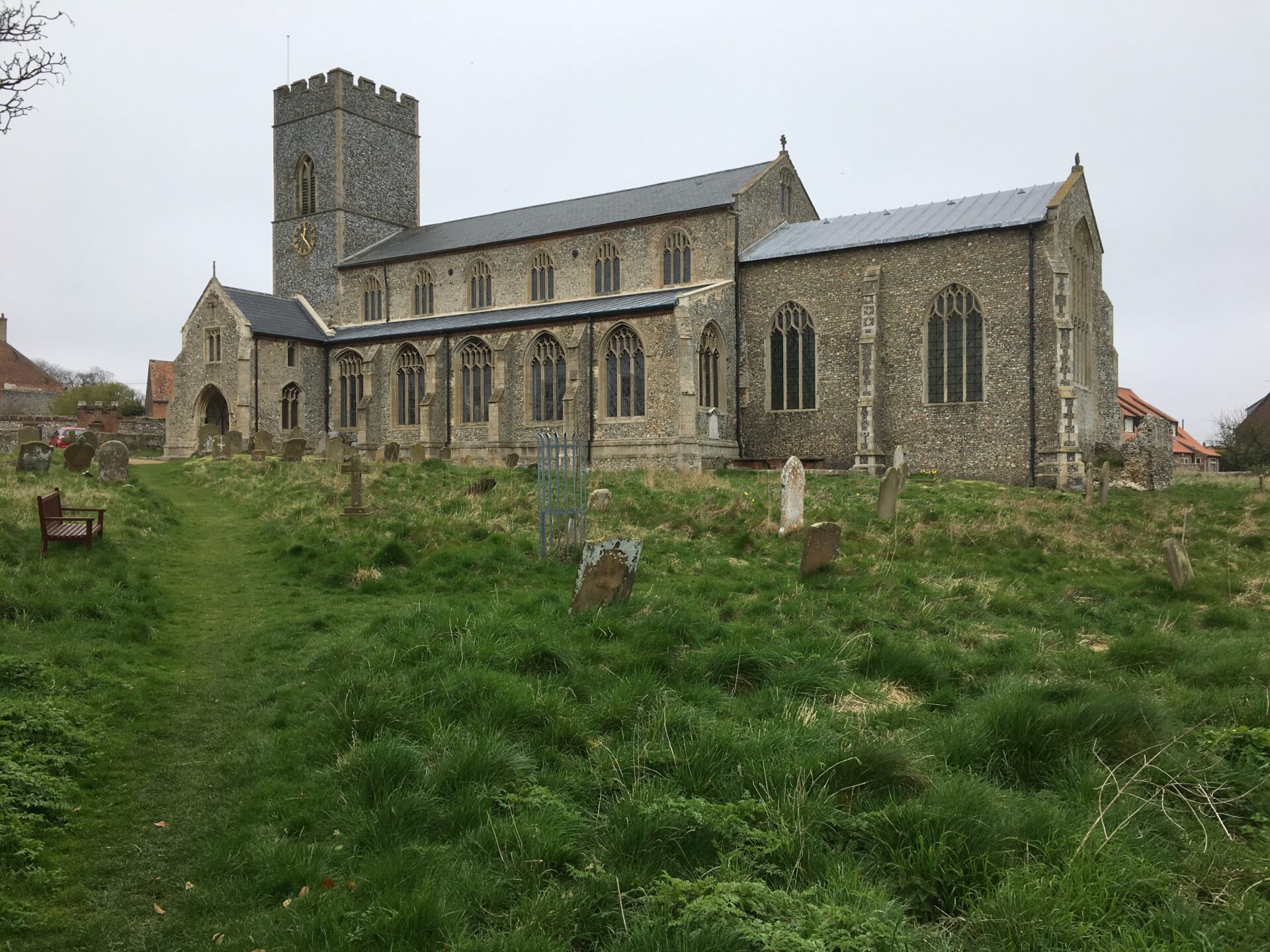
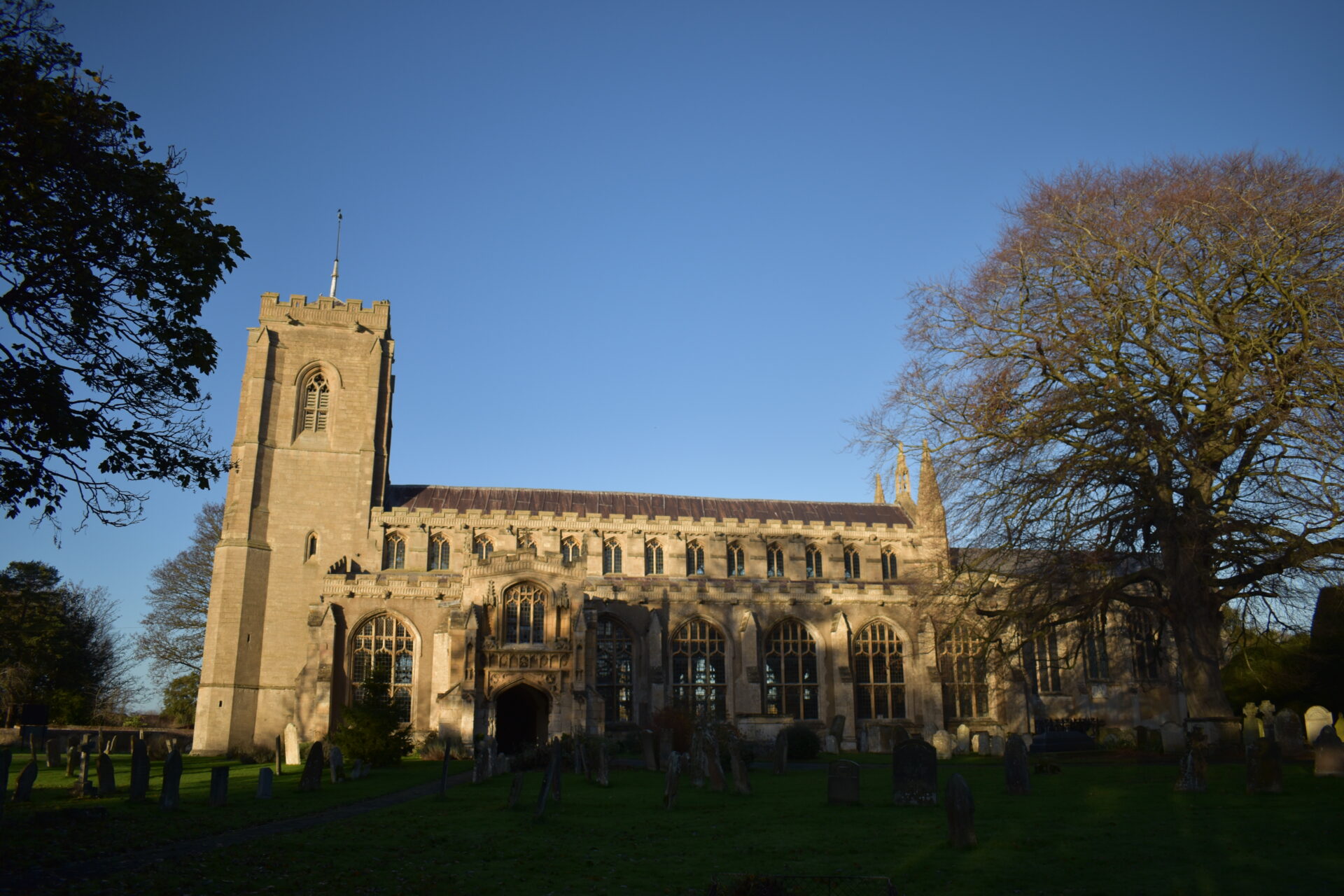
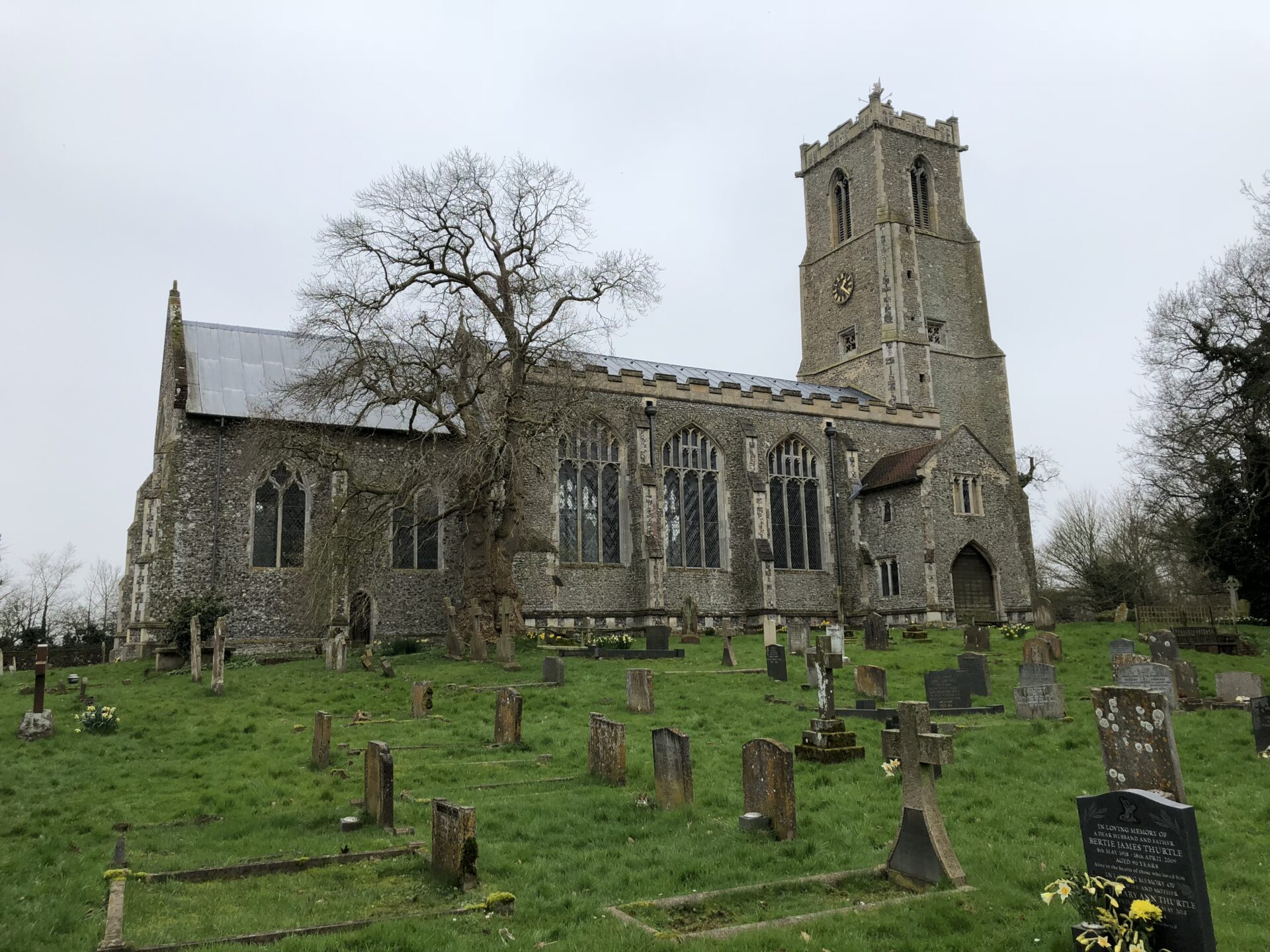
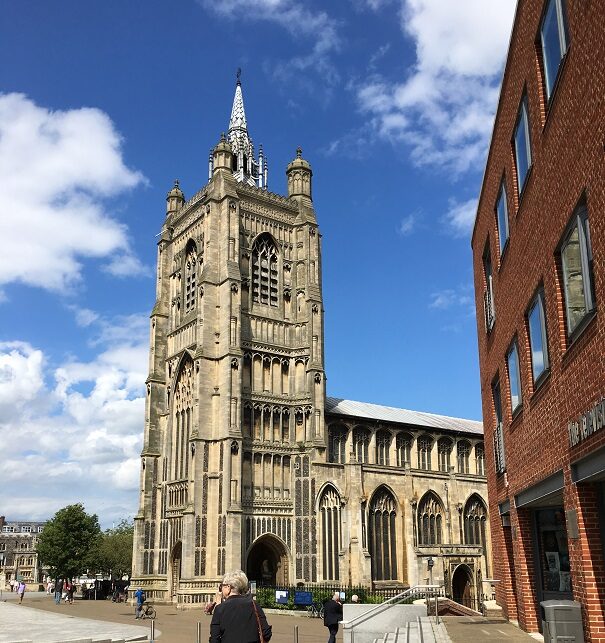
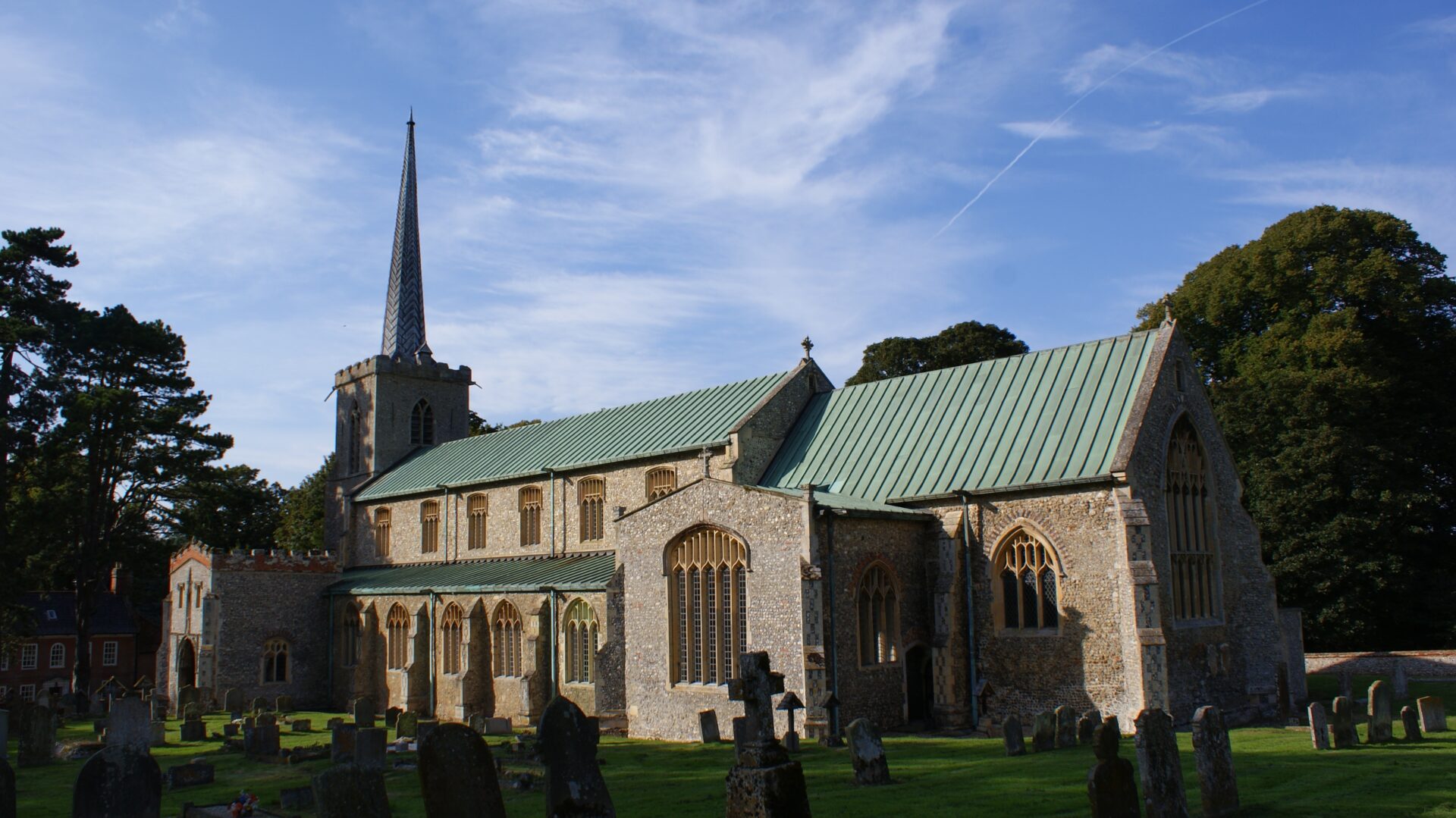
Key features of Perpendicular architecture (1360 – 1600+)
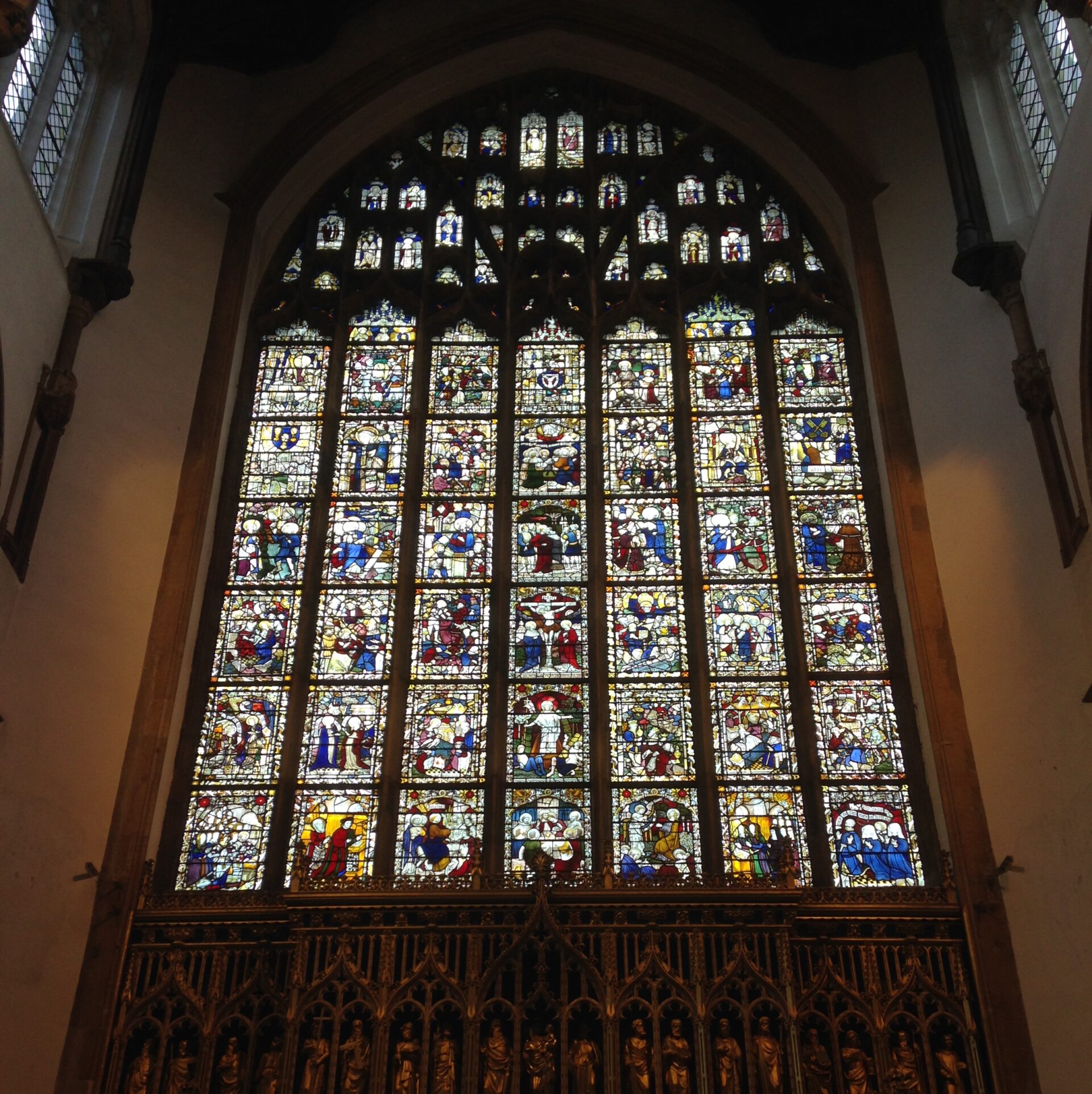
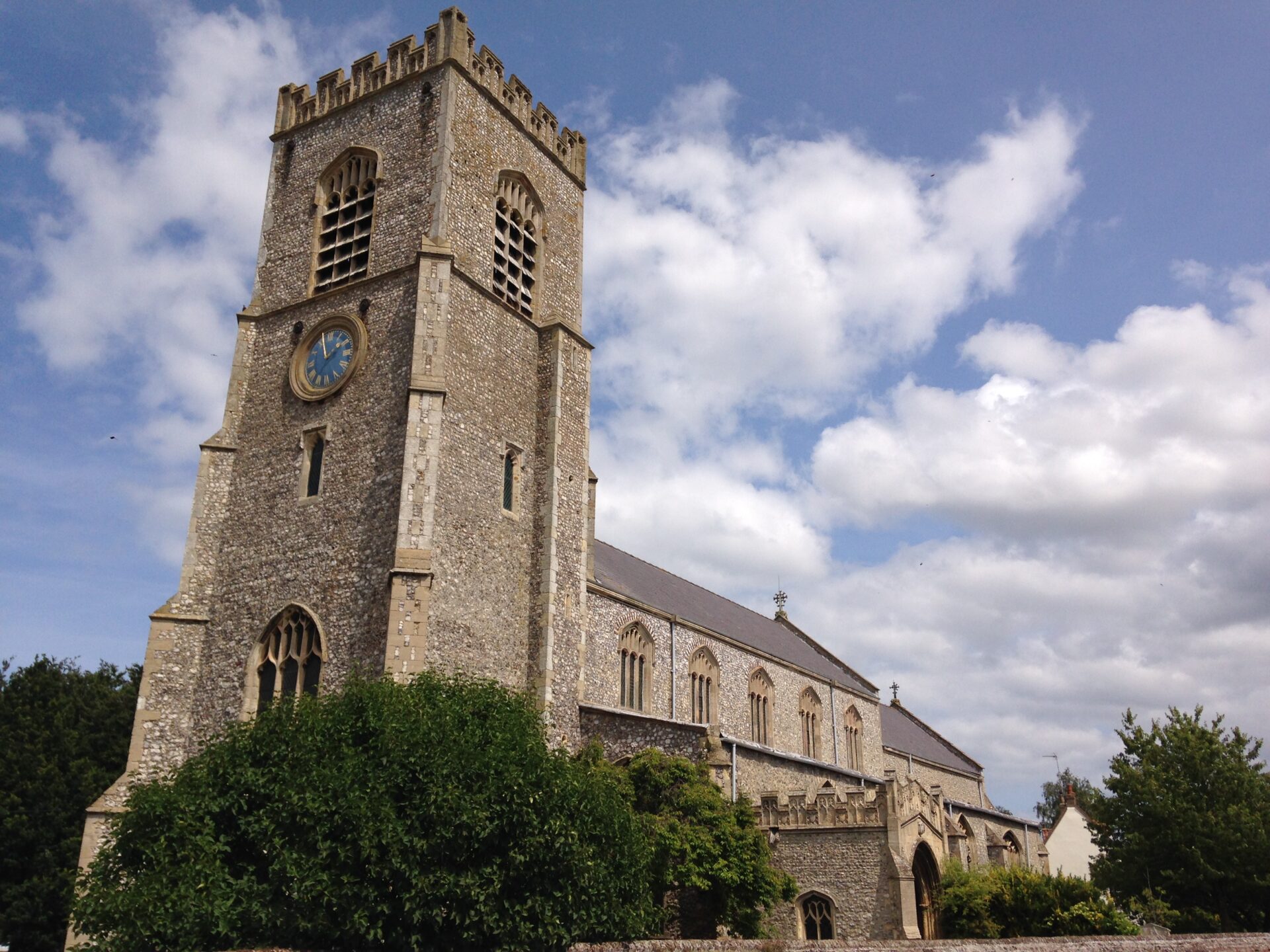
- Vertical bars in window tracery
- Flatter points to arches and windows
- Wide windows
- Larger clerestories (a series of windows at the top of the walls)
Norfolk examples
- Norwich, St Peter Mancroft
- Walpole St Peter, St Peter
- Terrington St Clement, St Clement
- Norwich, St Giles
- Cawston, St Agnes
- Salle, St Peter & St Paul
- Shelton, St Mary
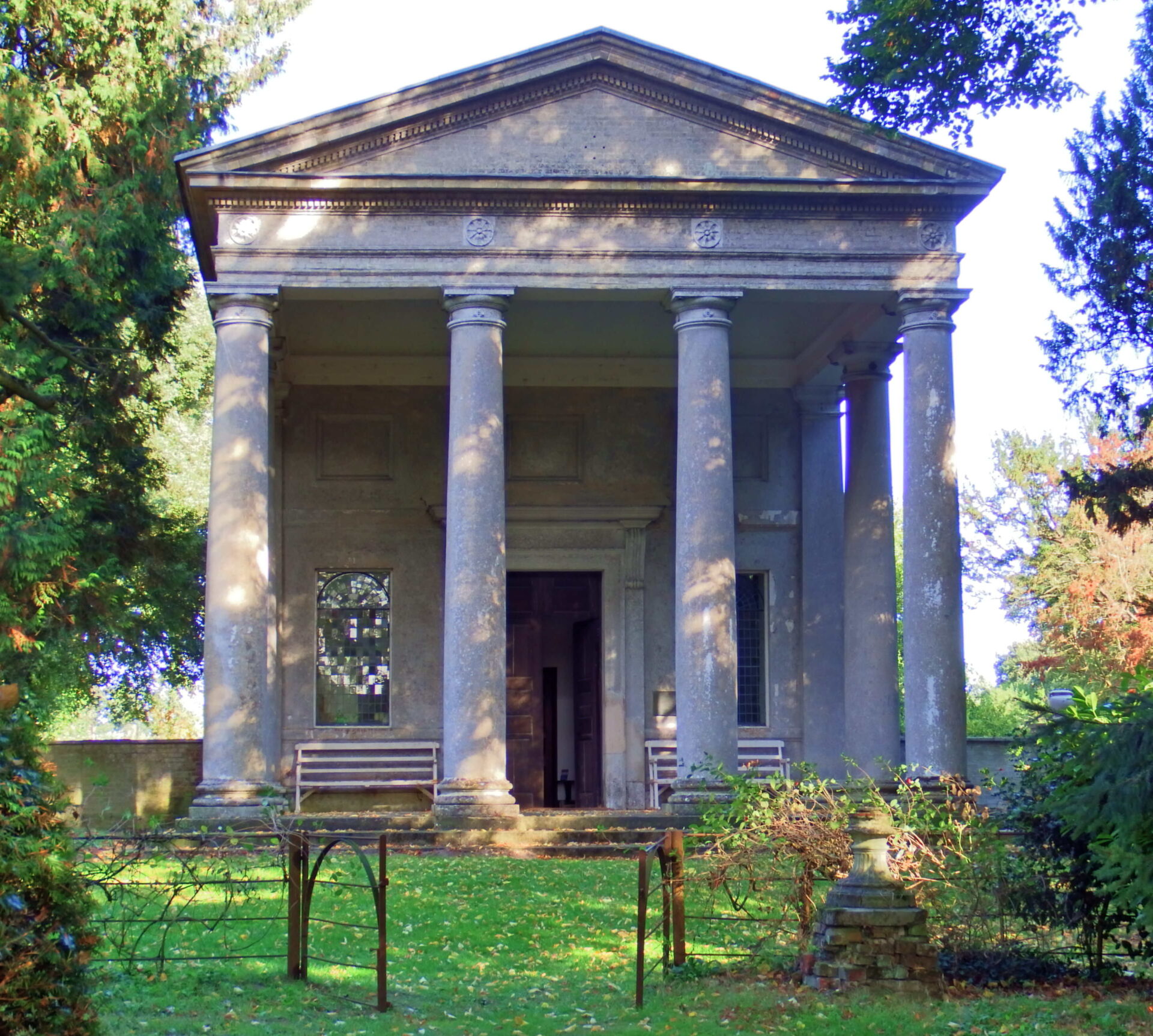
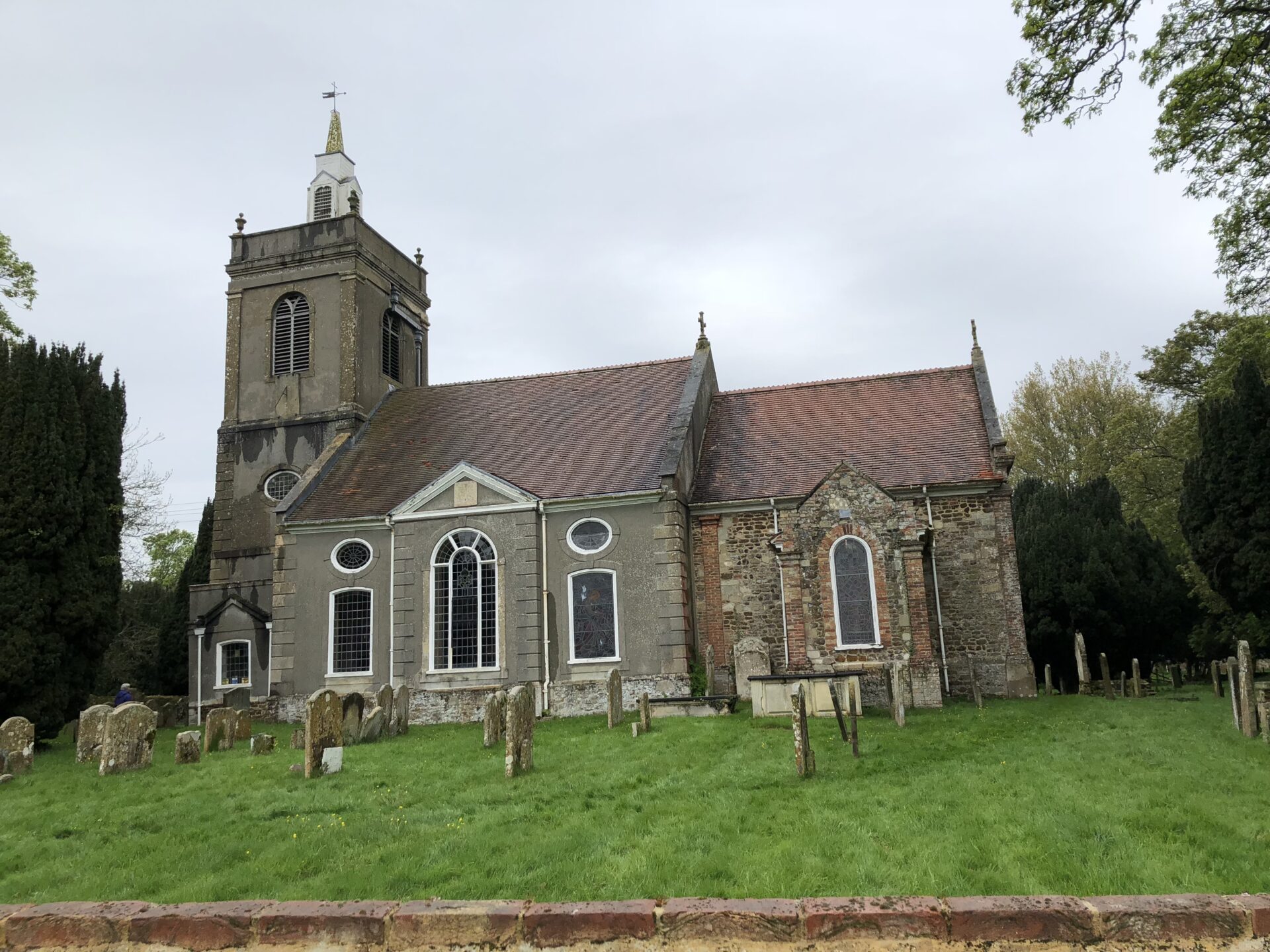
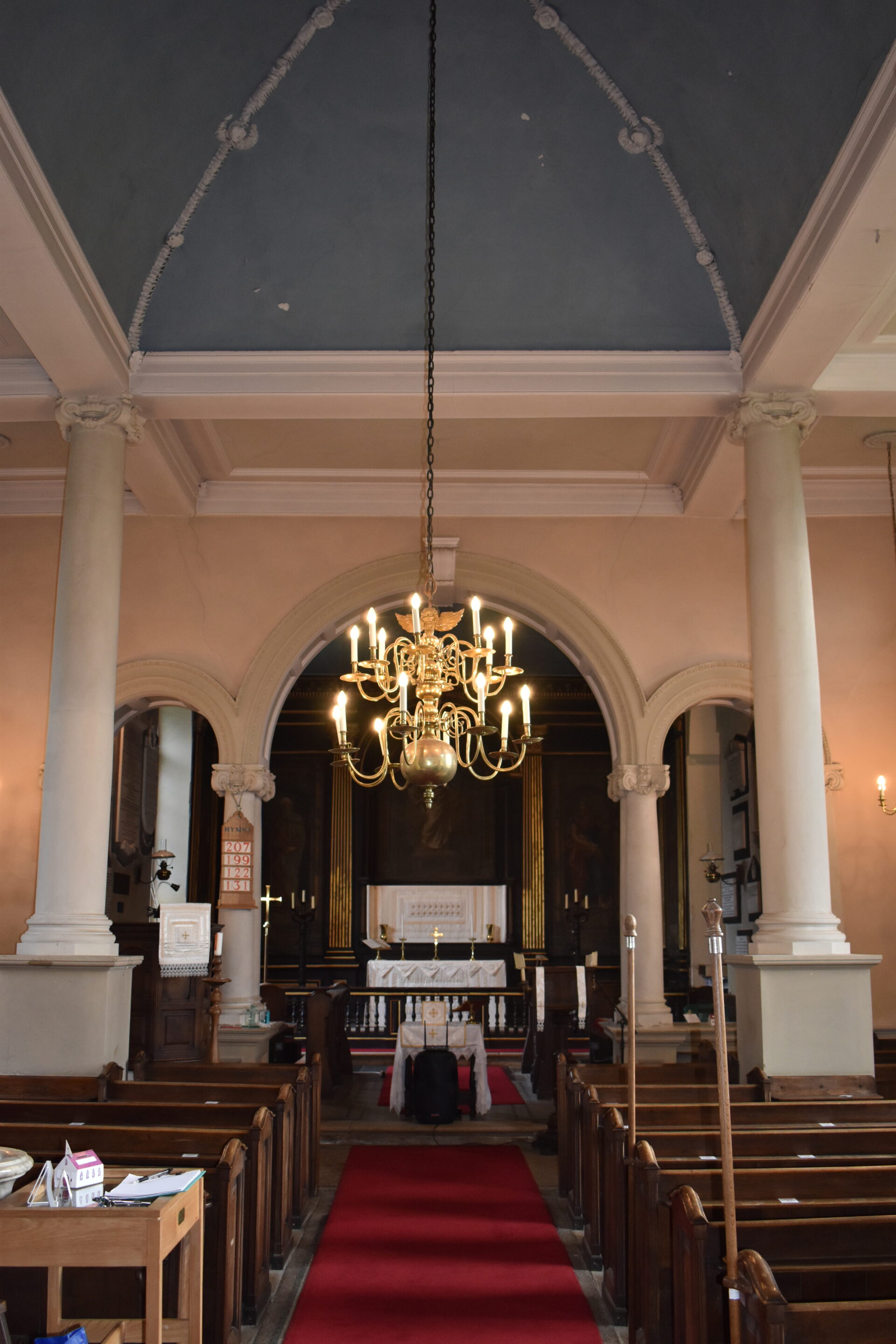
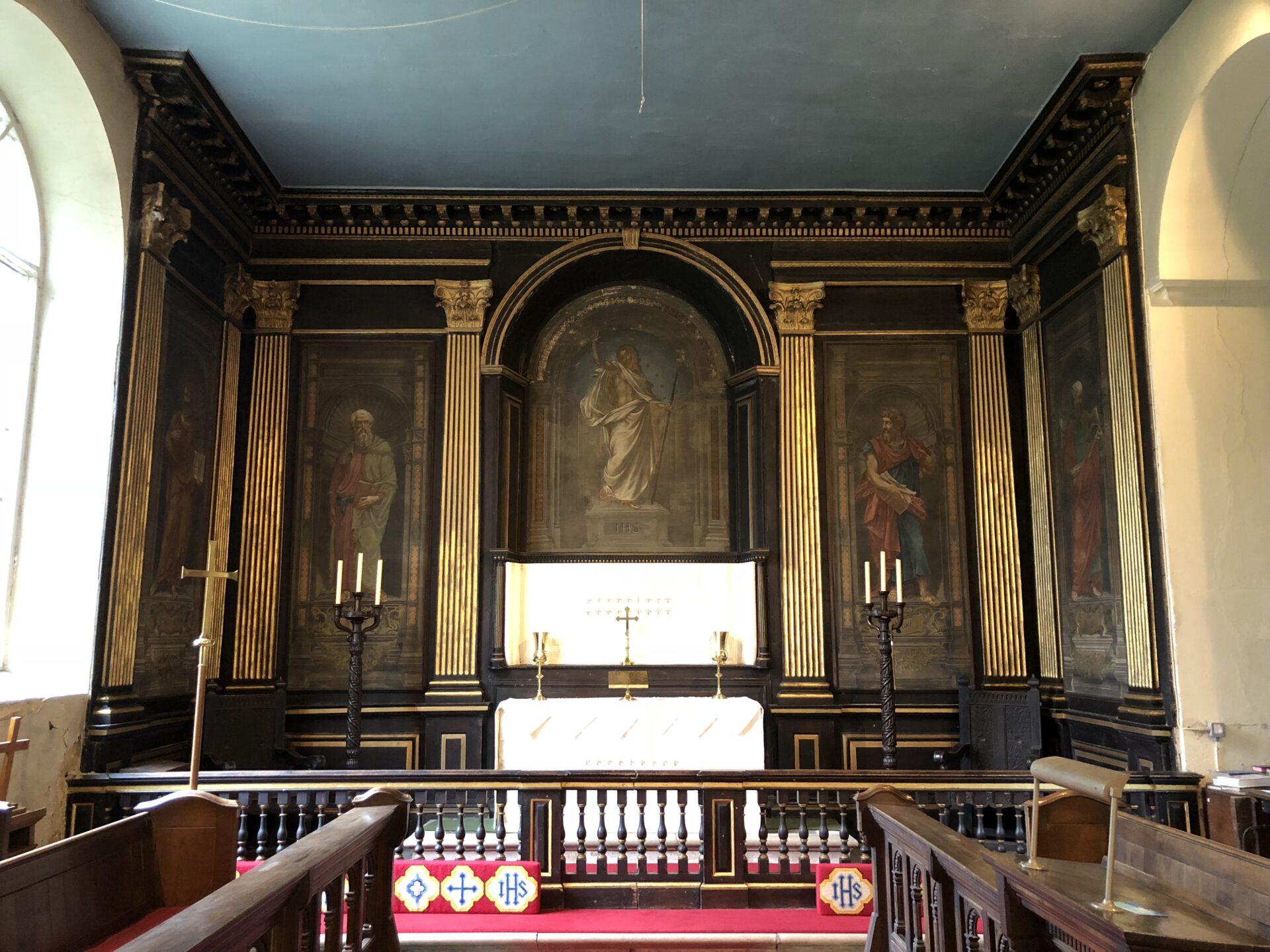
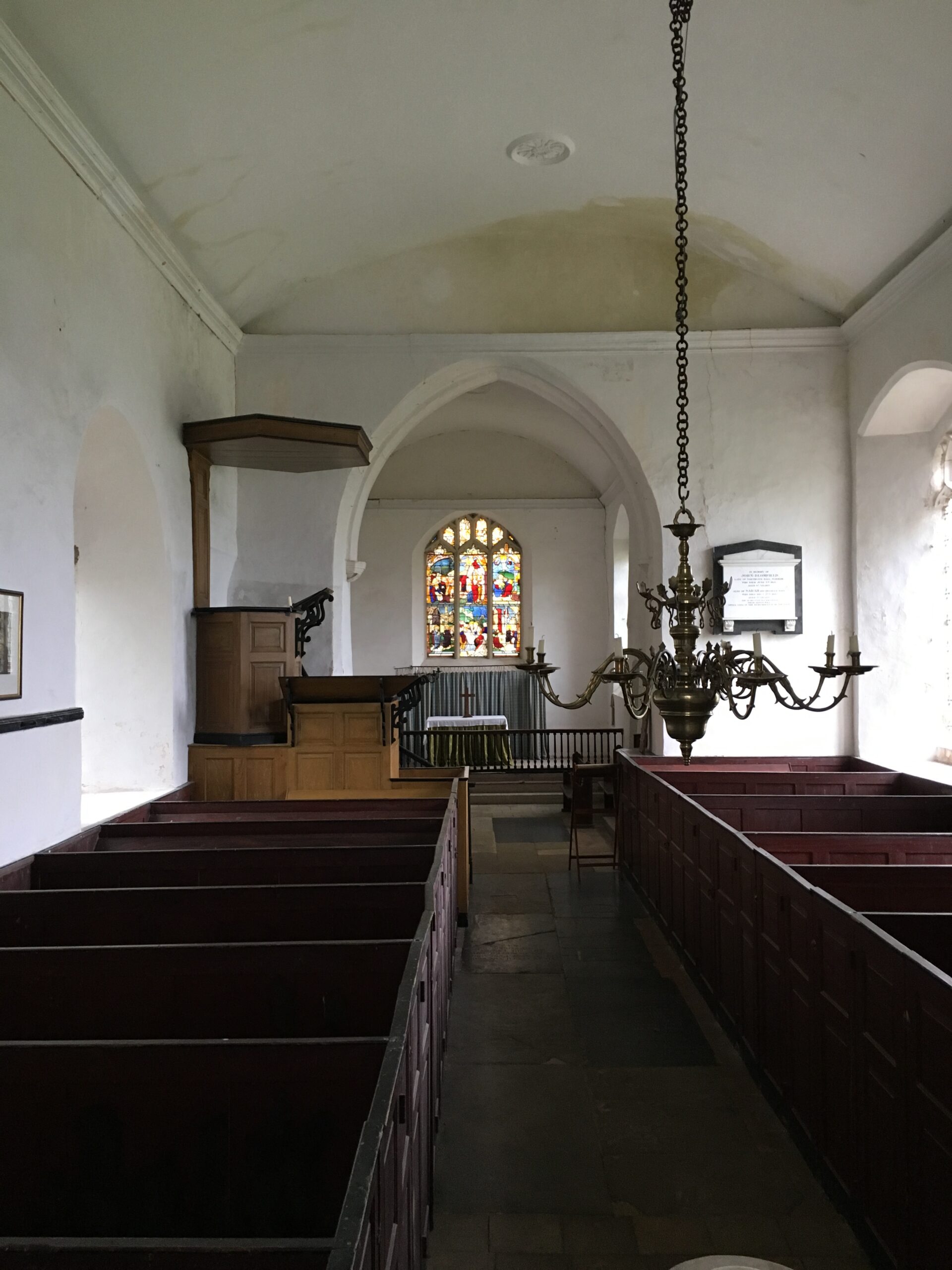
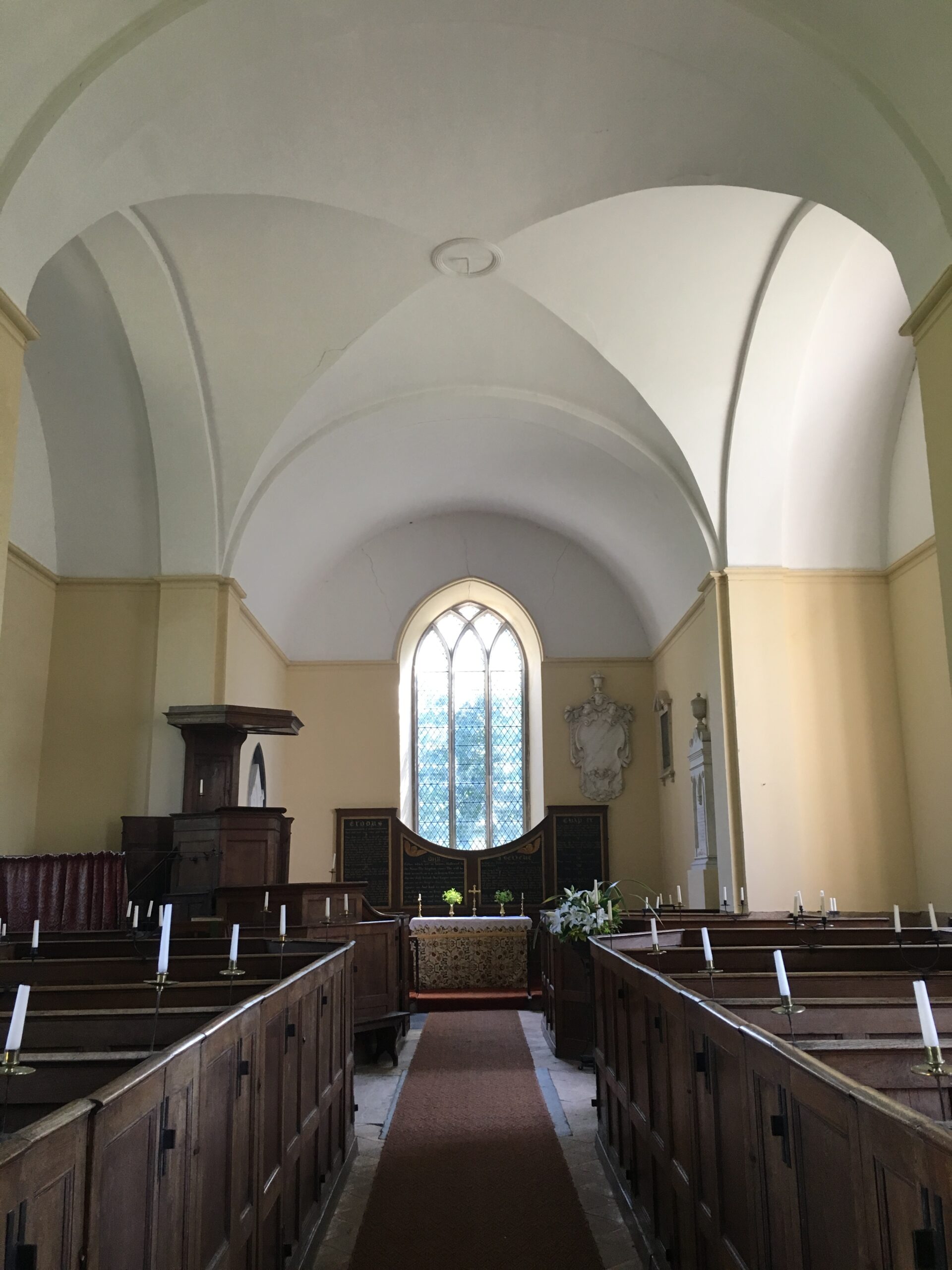
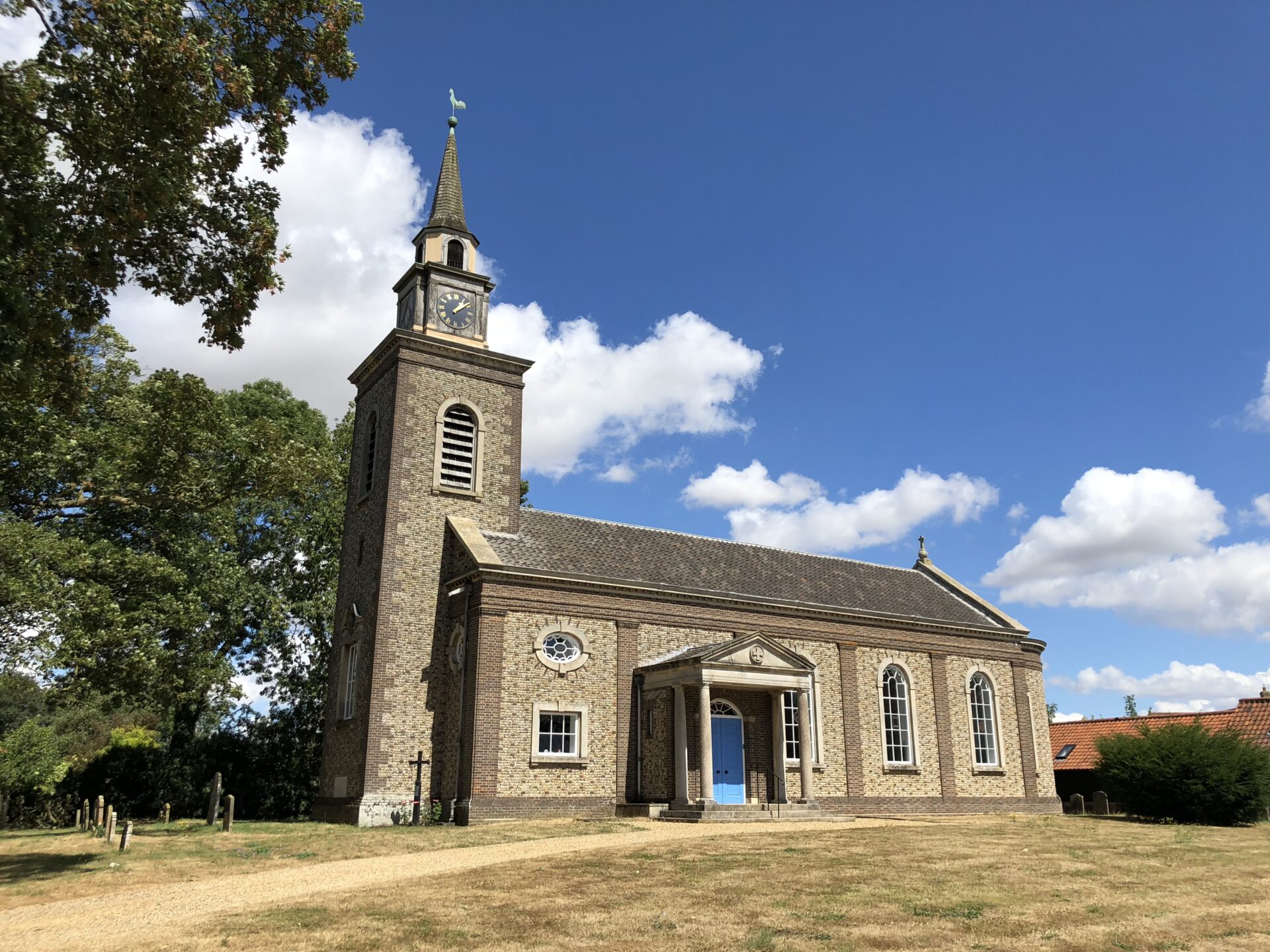
Key features of Classical Revival architecture (1680 – 1800+)
- A large uninterrupted space in rectangular or basilican form
- Wide plaster ceilings
- Classical pillars of Ionic, Doric or Corinthian design
- Rigid rules with set designs and features
- Domed ceiling
- Tall windows
Norfolk examples
- North Runcton, All Saints
- Gunton, St Andrew
- Warham, All Saints (interior)
- Great Yarmouth, St George
- Bylaugh, St Mary (interior)
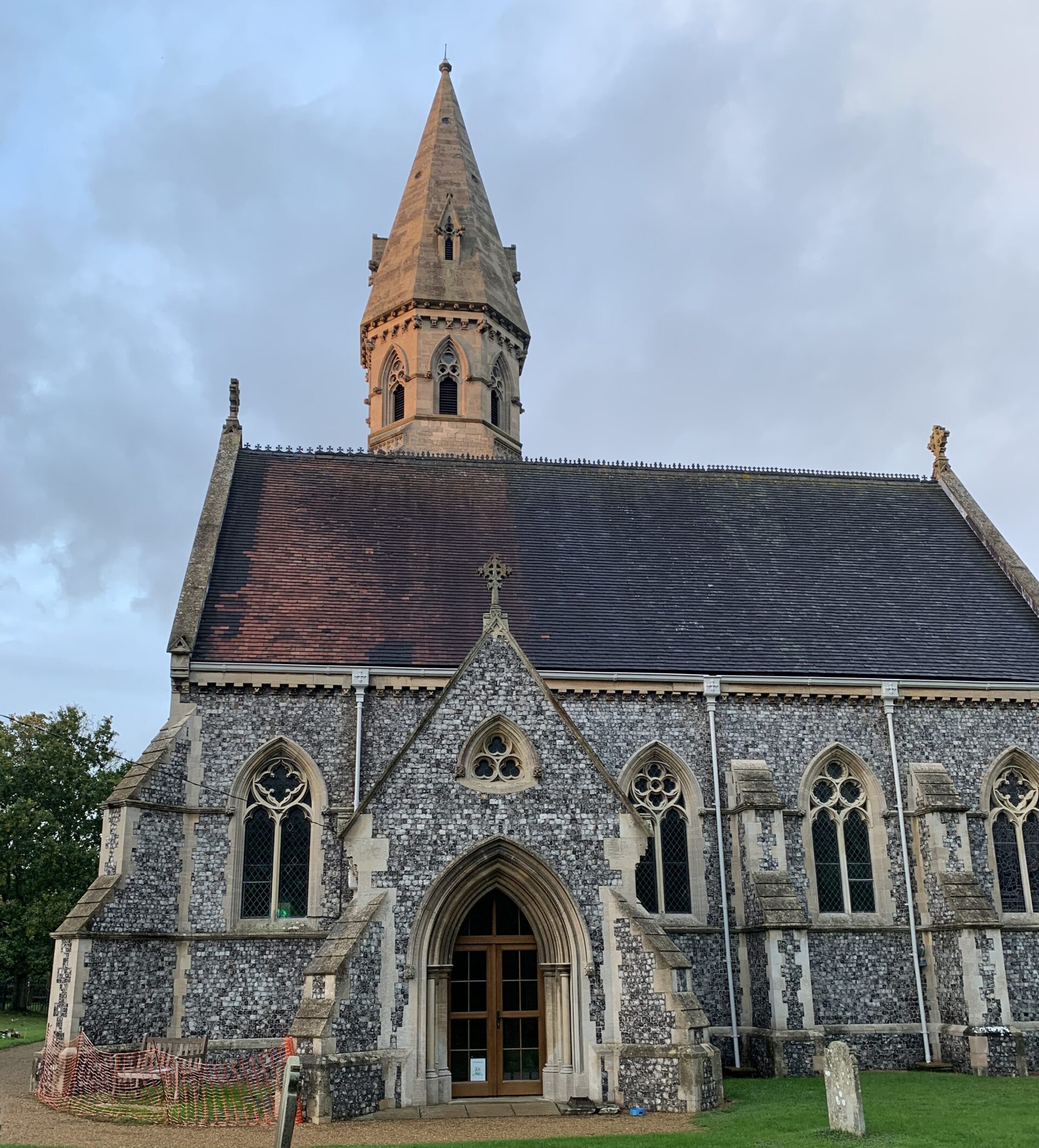
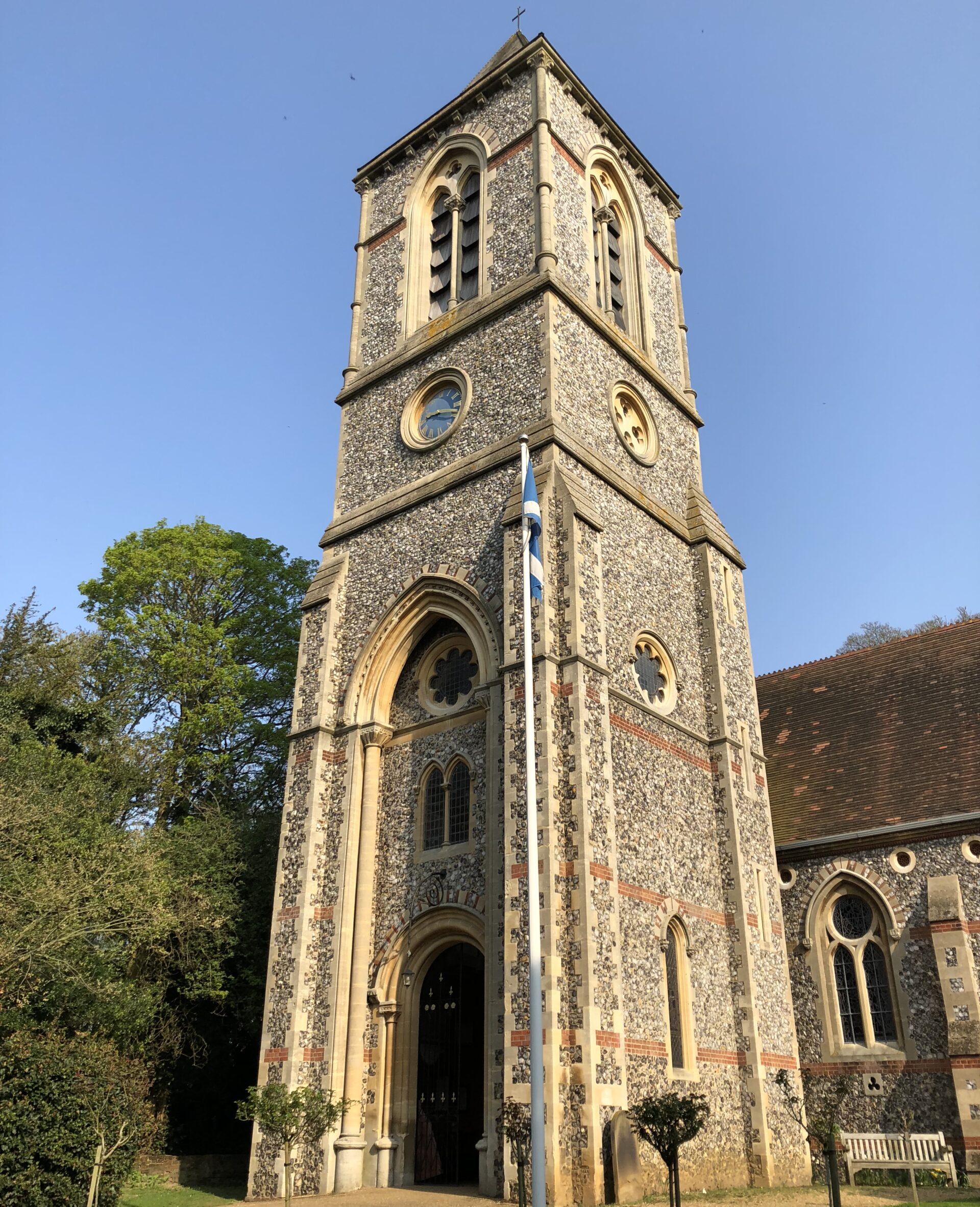
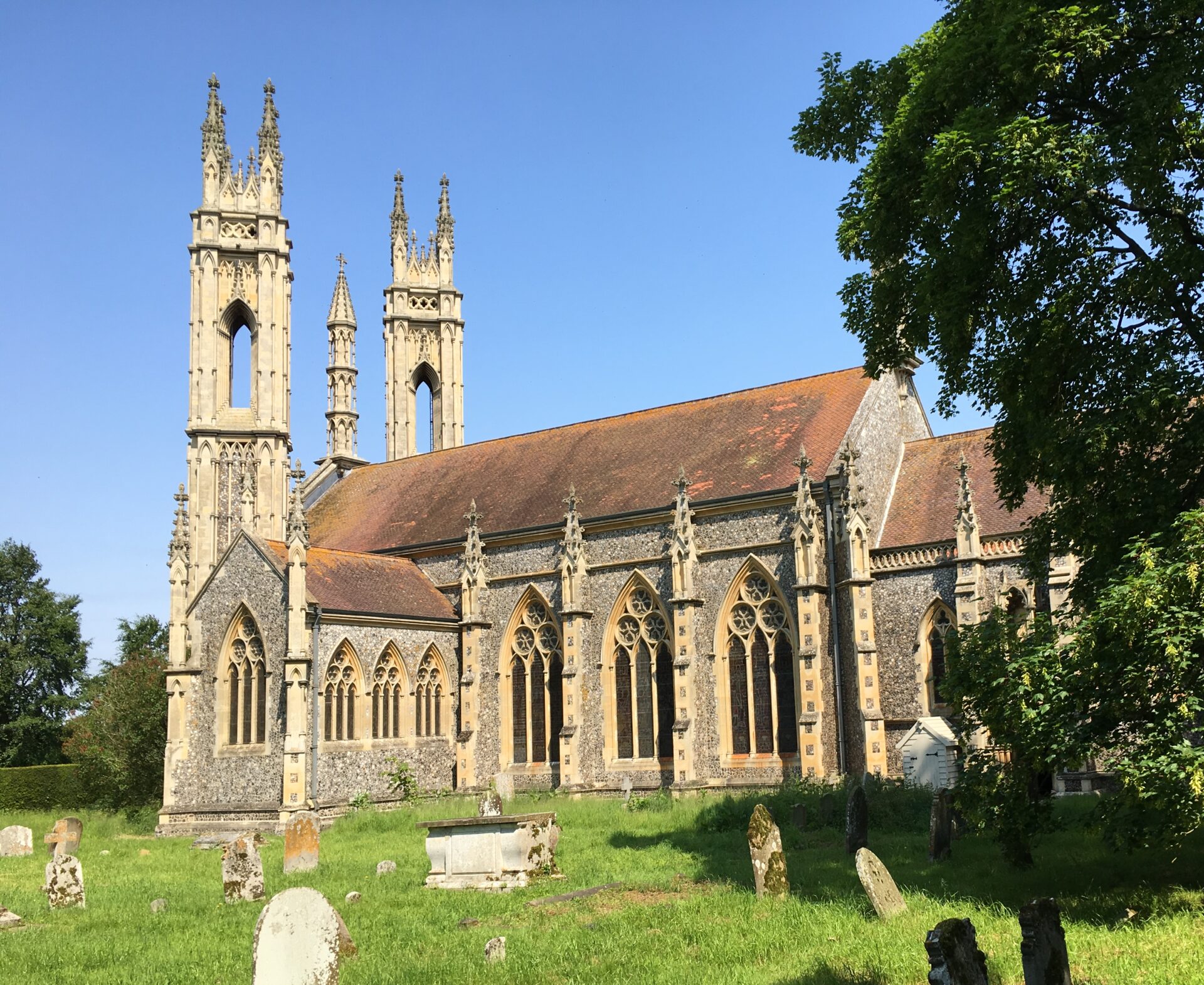
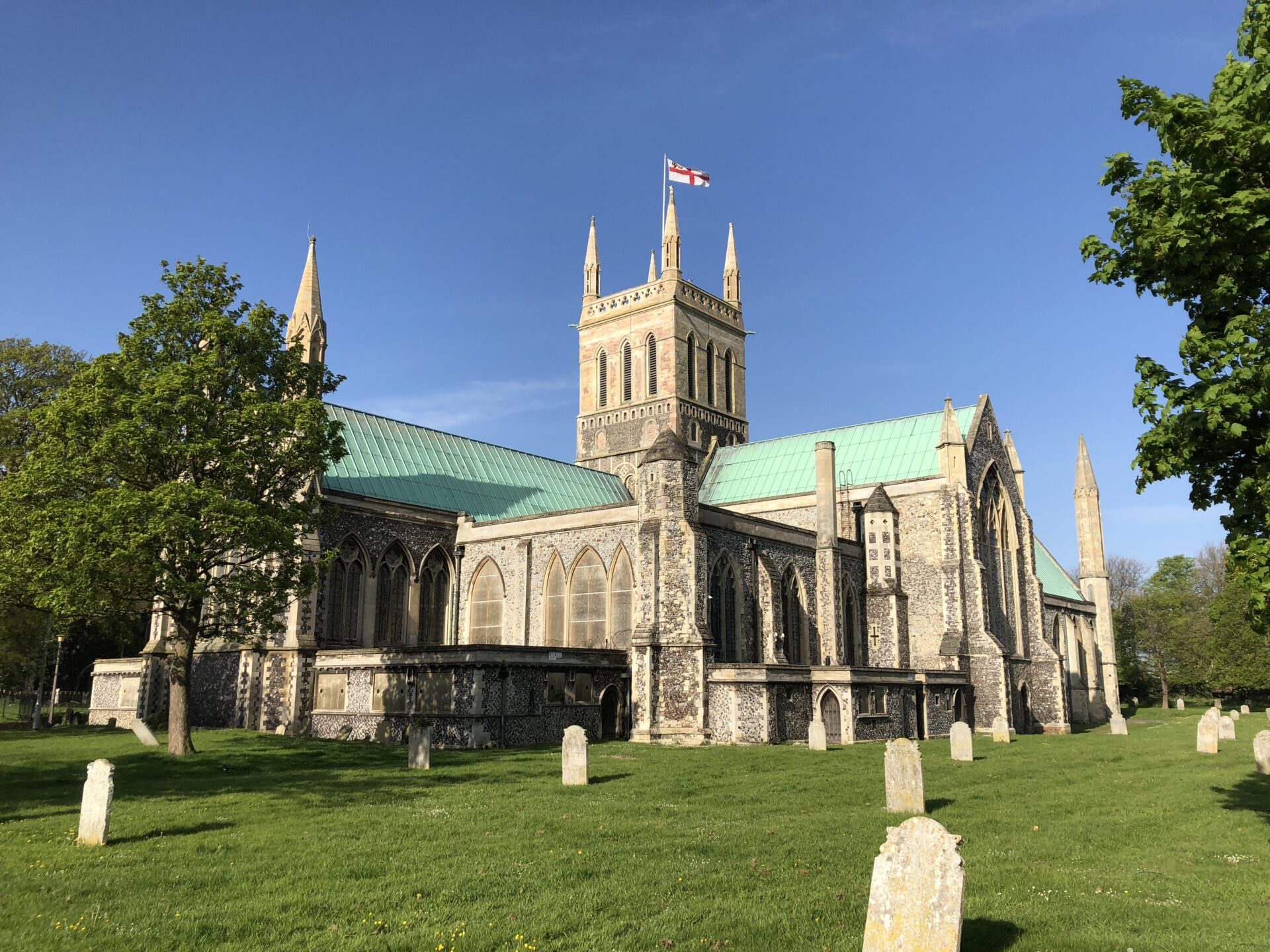
Key features of Victorian architecture
(1840 – 1901)
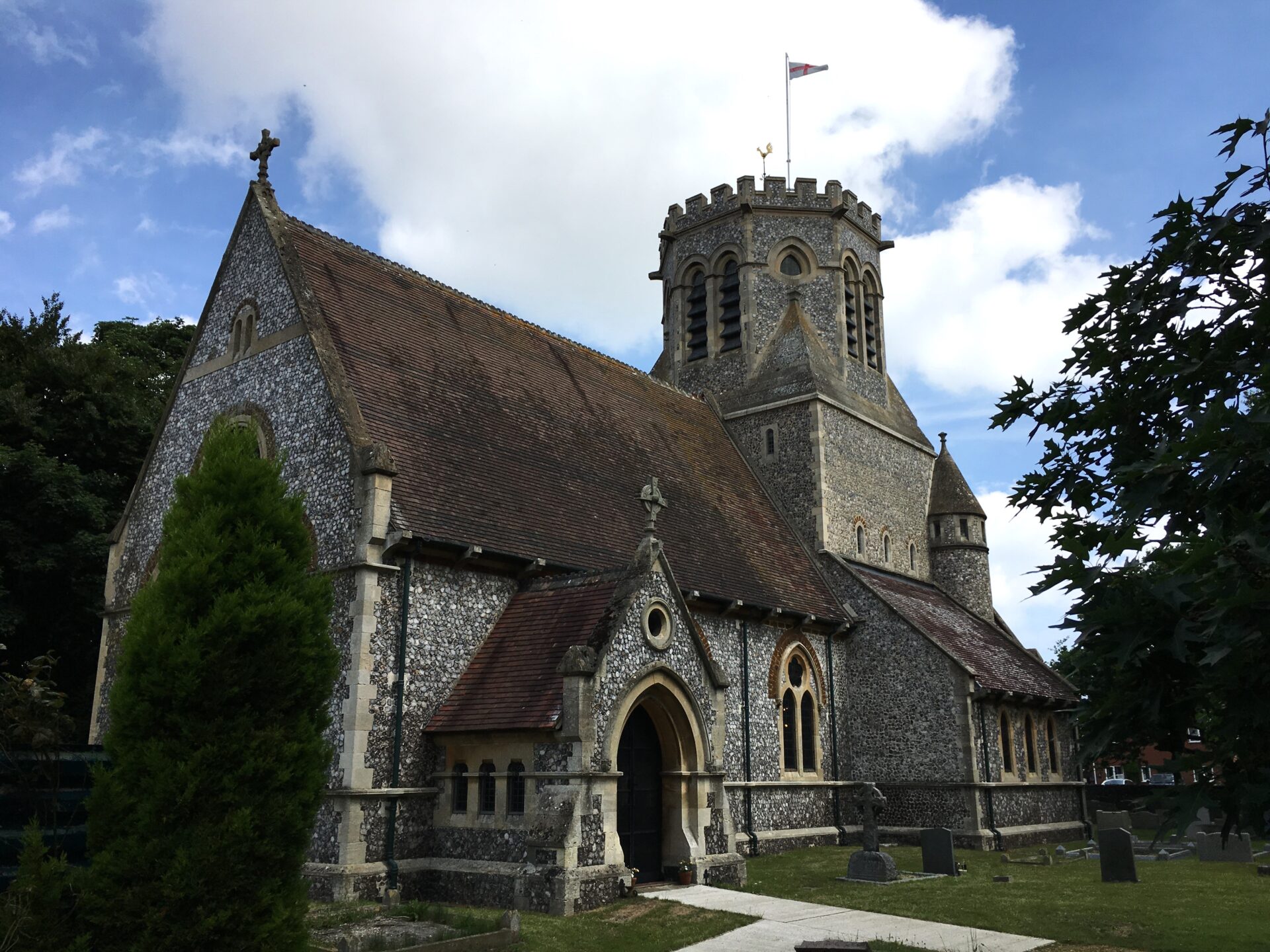
- Early English elements (pointed arches, tall spires and towers, and narrow windows)
- Asymmetry
- Variety of materials used
- Richly coloured and decorated interiors
Norfolk examples
- Booton, St Michael & All Angels
- Thorpe St Andrew, St Andrew
- Framingham Pigot, St Andrew
- Hopton-on-Sea, St Margaret
- West Tofts, St Mary (substantial rebuild)
- Mundford, St Leonard (interior)
- Wells-next-the-Sea, St Nicholas (complete rebuild in Perpendicular style)
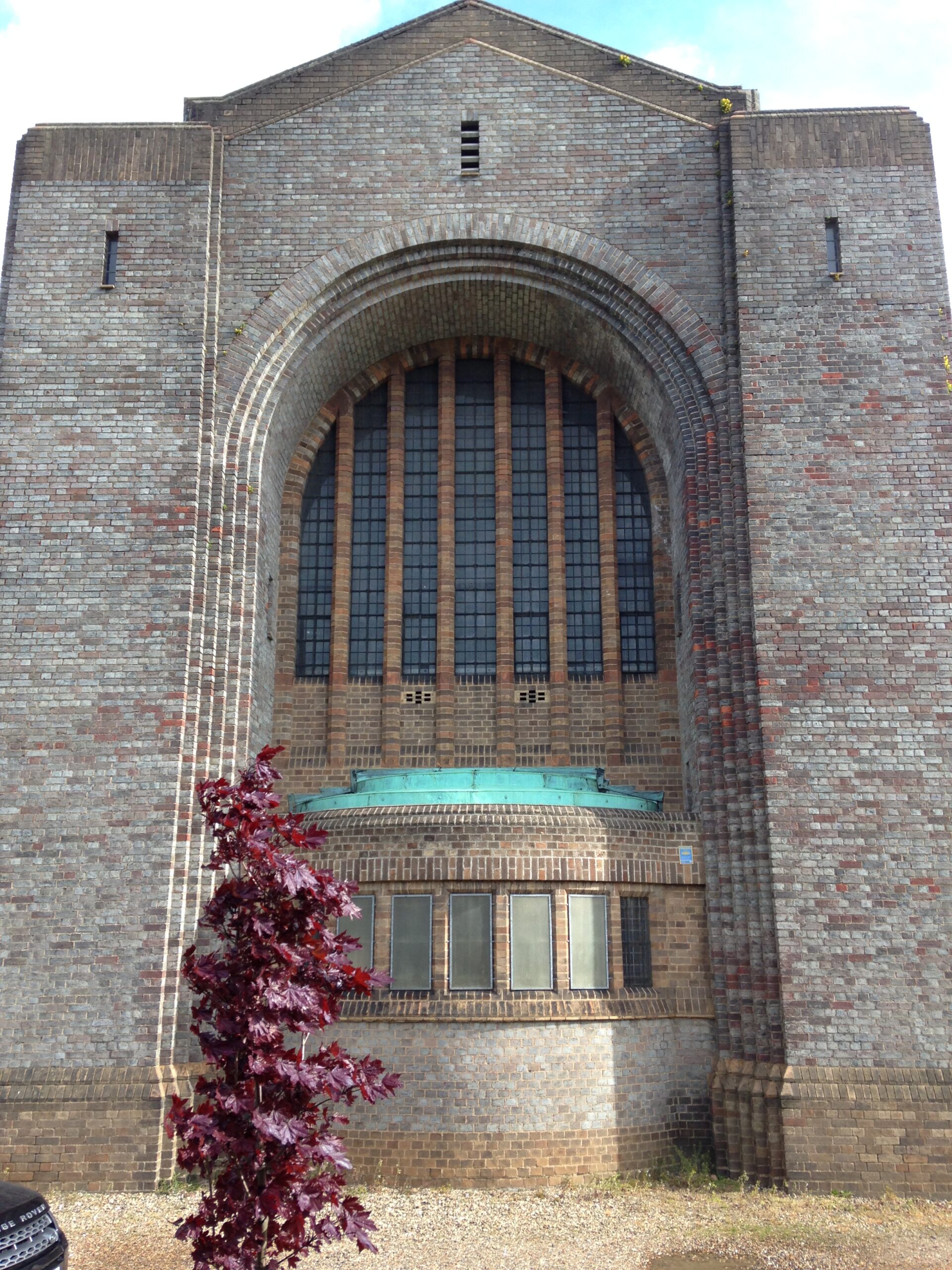
Key features of 20th century architecture
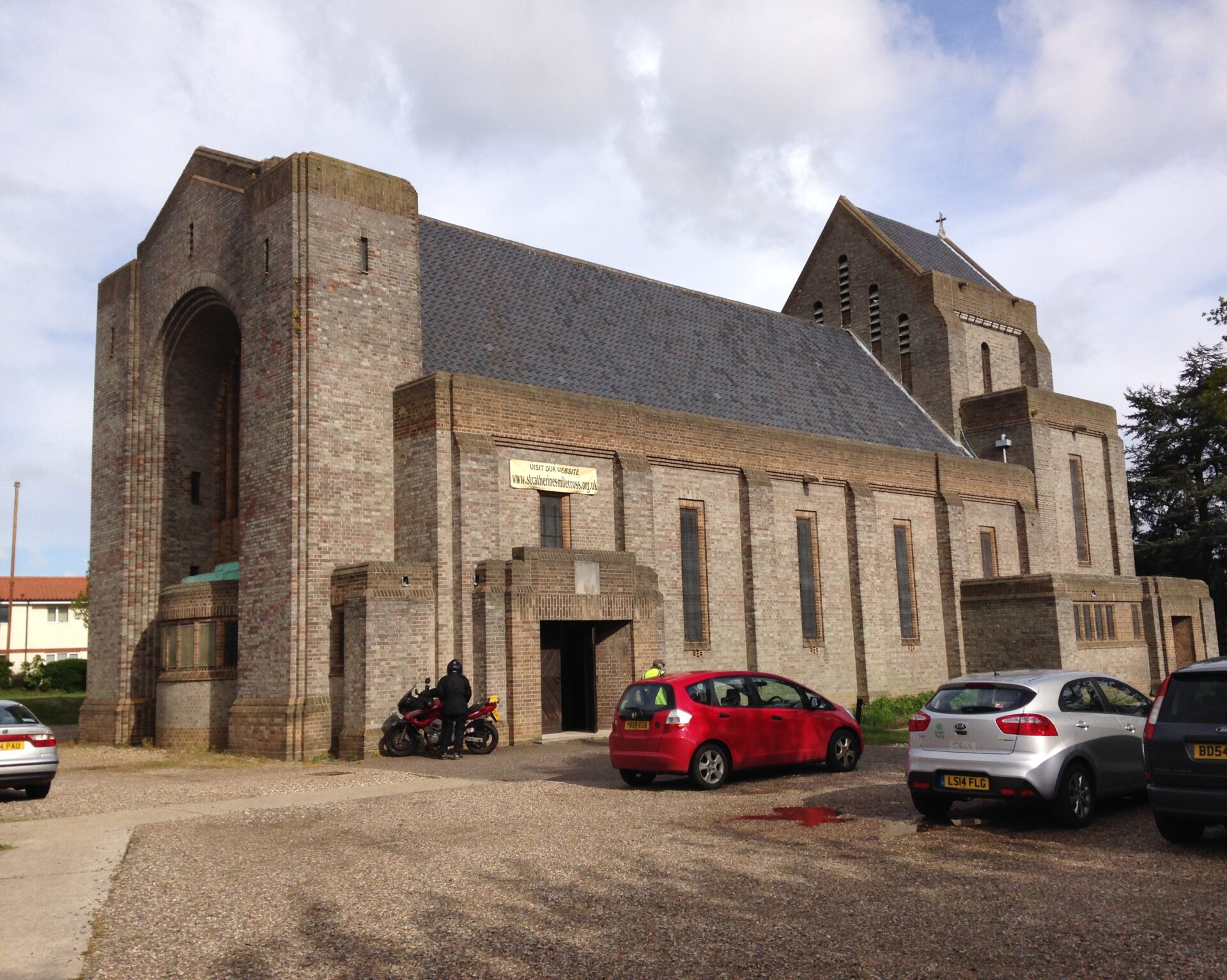
Inspiration is taken from a wide variety of architectural styles
Norfolk examples
- Bawdeswell, All Saints
- Great Yarmouth, St Nicholas
- Norwich Mile Cross, St Catherine
- Walsingham Anglican Shrine
- Little Walsingham, St Mary
- Dilham, St Nicholas
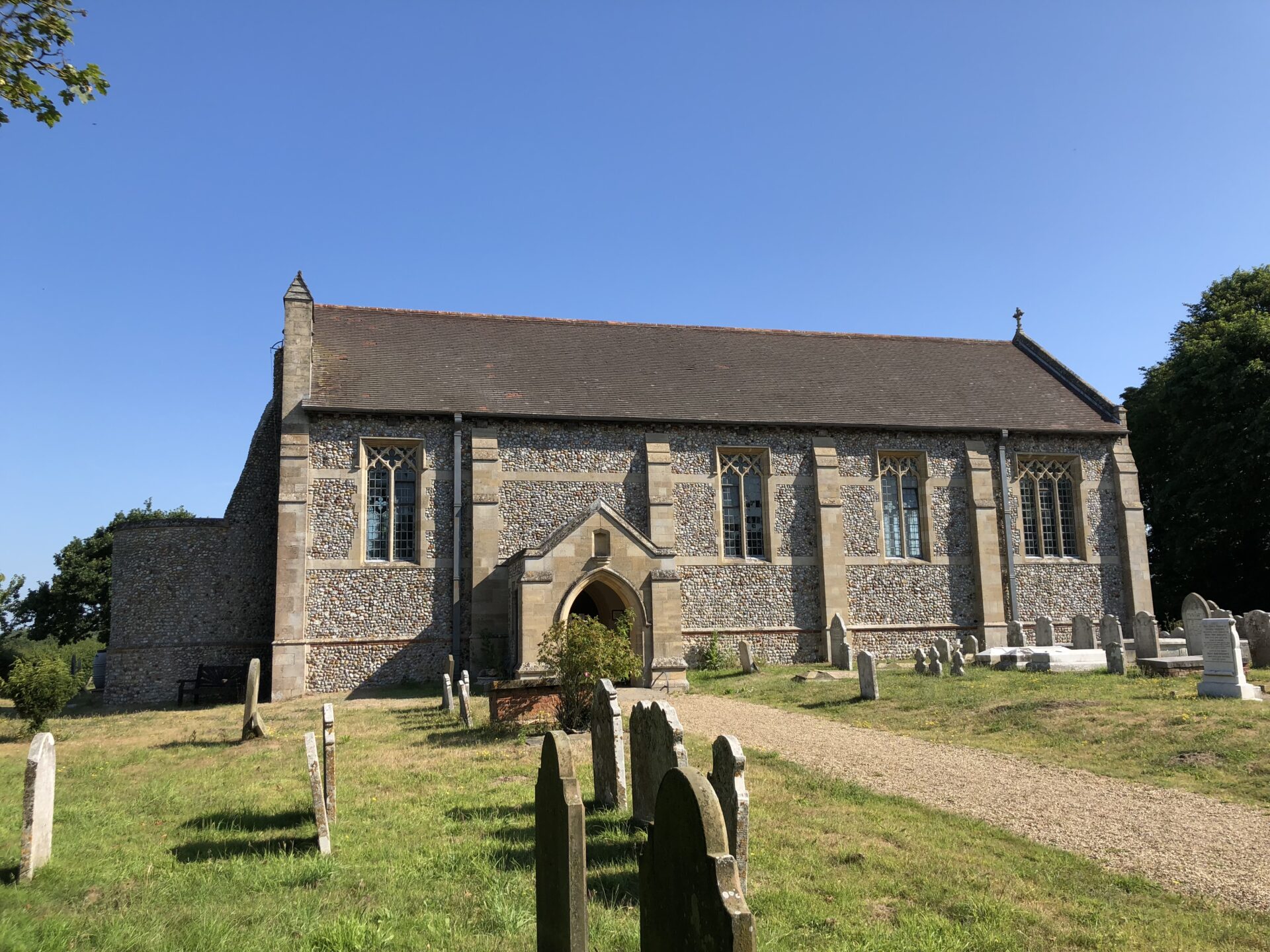
St Clement, Terrington St Clement
St Clement's Church, Churchgateway, Terrington St Clement, King's Lynn, PE34 4LZ
Written by Eliza Greenwell
Share


